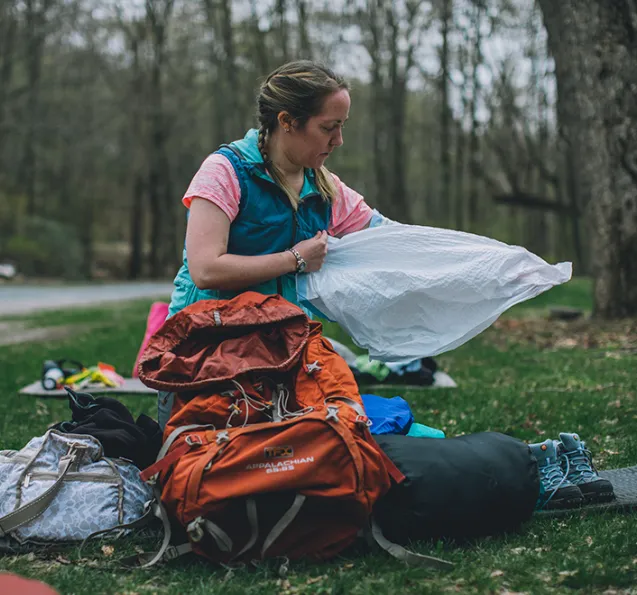
When you’re preparing for a hike, packing the right gear is essential. However, knowing what not to pack can be just as important. Many hikers, especially beginners, often bring unnecessary items that add weight and inconvenience, ultimately making the trip less enjoyable. Here’s a list of things you should leave out of your backpack to make your hike more efficient and comfortable.
1. Valuables and Jewelry
Leave your valuables and jewelry at home. You don’t need them on the trail, and they only add unnecessary weight. If you happen to lose them or they get damaged, it can lead to a stressful situation. The wilderness is for exploring, not for keeping track of expensive items.
2. Heavy Camera Lenses
While capturing memories is important, there’s no need to lug around extra camera lenses. A single versatile lens should suffice for most situations. If you’re hiking, focus on enjoying the experience, not setting up for professional shoots.
3. Excessive Extras
Packing “just in case” items can weigh you down. For instance, multiple rolls of toilet paper are unnecessary. One roll should be plenty for an extended trip. Overpacking only increases the load and makes hiking less enjoyable.
4. Bulky Clothing
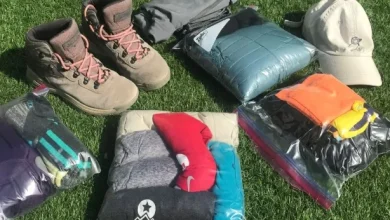
Leave behind heavy clothing like jeans. Opt for lightweight, moisture-wicking hiking apparel. Clothes made from synthetic materials or wool will keep you warm without the extra weight and discomfort of heavier fabrics.
5. Multiple Pairs of Shoes
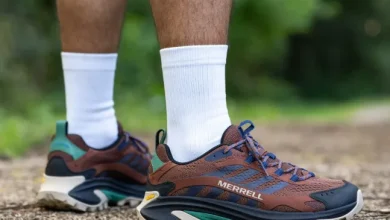
One pair of shoes is all you need. Don’t bring extra footwear for camp or creek crossings. For those, consider using neoprene socks, which are lightweight and efficient for water crossings.
6. Bulky Gear
Some cheaper hiking gear is bulkier, and not always lighter. Avoid oversized gear that takes up more space and adds unnecessary weight to your pack. Sometimes, paying a little extra for lighter gear can make a big difference in comfort.
7. Guidebooks
Books are great, but not on the trail. You don’t need to carry a full hiking guidebook with you. Save space by printing out relevant trail maps or writing down important notes instead. After a long day of hiking, you’ll likely be too tired to sit down with a book anyway.
8. Full-Size Pillows
A full pillow might seem like a comfort must-have, but it takes up unnecessary space and weight. Instead, invest in a small, inflatable camp pillow that you can easily pack and inflate when needed.
9. Excessive Cooking Gear
Keep your cooking gear simple. You don’t need a full kitchen for hiking. A lightweight stove, small fuel canister, cooking cup, and spork will do the trick. Avoid bringing pots, pans, or other bulky kitchen items.
10. Extreme Survival Tools
While it’s important to be prepared, you don’t need extreme survival tools that are bulky and rarely used. Stick to practical, everyday tools like a multi-tool and waterproof matches instead of packing heavy, unnecessary items like animal traps or large survival kits.
11. Overpacked First Aid Kit
A large first aid kit is unnecessary unless you’re heading into extreme terrain. Instead, pack a small, compact kit with essentials you know how to use. If an injury is serious enough, your priority should be seeking help, not self-treatment.
12. Folding Chairs
Though comfortable, folding chairs are just too much to carry. Nature has enough seating options – sit on a rock, downed tree, or the ground. If you absolutely need a chair, choose something compact and lightweight.
13. Heavy Weapons
Hiking isn’t about self-defense or carrying heavy weaponry. A small knife or bear spray will suffice. Avoid packing large, heavy items like firearms or large knives, as they’ll only weigh you down.
14. Shower Bladders
Hiking isn’t the time for a shower. Leave the shower bladder at home. Instead, use wet wipes to freshen up and wash off in a creek if necessary. It’s okay to embrace the natural scent after a day of hiking.
15. Excessive Food and Water
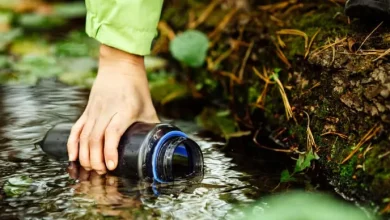
Overpacking food and water is another common mistake. Your heaviest item should be water, but there’s no need to pack an overwhelming amount. A water filter and a few trail bars are usually sufficient for most trips.
16. An Overly Large or Small Backpack
Choose a backpack that suits your gear. A bag that’s too large will encourage you to overpack, while one that’s too small will limit your ability to bring necessary items. Find a comfortable, well-fitting pack that matches your needs for the trip.
By eliminating these unnecessary items from your hiking gear list, you can significantly reduce your pack weight, improve your comfort, and enhance your overall hiking experience. Happy trails!