Hiking is an amazing way to enjoy nature, but even seasoned hikers make mistakes that can negatively impact their trip. Whether you’re a beginner or a regular on the trails, it’s important to learn from others’ errors and avoid common pitfalls that can make your hike uncomfortable or even dangerous. In this post, we’ll go over five common hiking mistakes and how to avoid them to ensure you have a great outdoor experience.
1. Overpacking or Mispacking Your Backpack
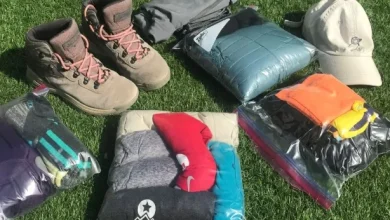
One of the most common mistakes hikers make, especially early on, is overloading their backpacks. Carrying too much weight can lead to fatigue and discomfort, making your hike less enjoyable. Additionally, if your pack isn’t adjusted properly or packed incorrectly, it can lead to strain or injury.
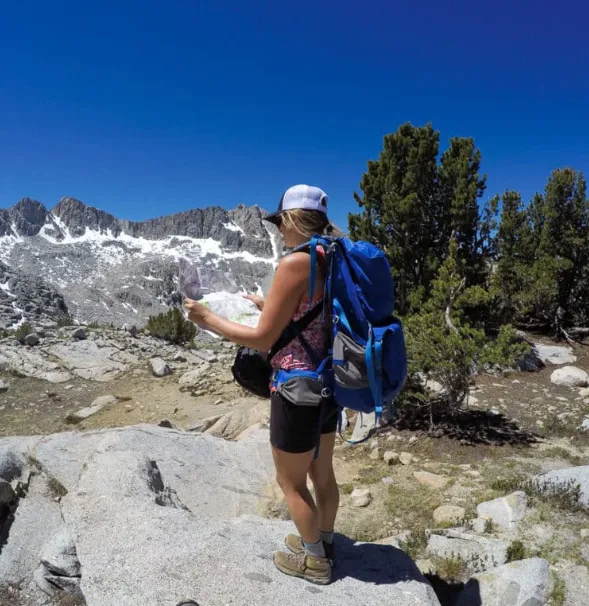
To avoid this mistake, focus on packing only the essentials and try to keep your pack light. Choose a backpack that fits your body well and make sure it’s properly adjusted before hitting the trail. Aim to distribute weight evenly, with heavier items placed close to your back and near your shoulders. This will help reduce the risk of muscle strain and improve your comfort during the hike.
2. Incorrect Clothing and Footwear Choices
Hiking can be tough on your body, especially when you’re dealing with uneven terrain, extreme weather, or insects. Wearing the wrong clothing or footwear can make your hike miserable.
Avoid wearing cotton clothing, like jeans and t-shirts, as it traps moisture and doesn’t dry quickly. Instead, opt for moisture-wicking, breathable fabrics like nylon, polyester, or spandex. Layer your clothing to adjust to changing weather, and always pack appropriate rain gear.
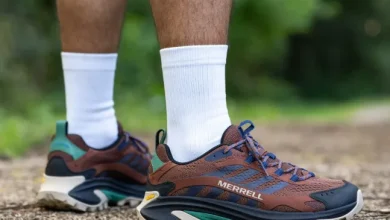
Footwear is just as crucial. Avoid wearing sandals, flip-flops, or regular sneakers. Instead, invest in hiking boots or trail runners that offer support, traction, and protection from rough trails. Don’t forget to wear moisture-wicking socks, especially in colder conditions.
3. Choosing the Wrong Gear
Not all gear is created equal, and having the wrong equipment can make your hike much harder than it needs to be. On the flip side, overpacking with too much gear can weigh you down.
The key is to pack the essentials. Always bring enough water, a water filter, snacks, and a first-aid kit. Make sure you’re familiar with the items you bring and know how to use them. It’s also a good idea to pack the “ten essentials” of hiking to be prepared for any unexpected situations. Avoid bringing unnecessary gear that adds weight without serving a critical purpose.
4. Underestimating Your Abilities and Trail Distance
One of the biggest mistakes you can make as a hiker is overestimating your ability to tackle tough trails, especially if you’re new to hiking. Just because you’re active in other sports like running or cycling doesn’t mean you can easily handle the demands of hiking.
Start with shorter, easier trails and gradually work your way up to more challenging hikes. Even experienced hikers can get tired after long distances, so it’s important to listen to your body and adjust as needed. If you’re aiming for longer hikes, make sure to train and build endurance before attempting more strenuous trails.
5. Ignoring Hiking Etiquette
Proper hiking etiquette ensures a positive experience for everyone on the trail. Disrespecting other hikers or not following basic trail rules can make your trip unpleasant and even dangerous.
Always yield to horseback riders and give them plenty of space, as horses can be unpredictable. Practice the Leave No Trace principle by cleaning up after yourself and packing out everything you bring, including trash and toilet paper. Also, be mindful of your behavior and be respectful of others’ space and time on the trail.
Final Thoughts
Hiking is an incredibly rewarding activity, but avoiding these common mistakes will help ensure you enjoy every moment of your adventure. Whether it’s packing light, choosing the right gear, or respecting others on the trail, making small adjustments can lead to a much more enjoyable and safe hiking experience. Keep these tips in mind for your next trek, and you’ll be well on your way to a successful outdoor adventure.