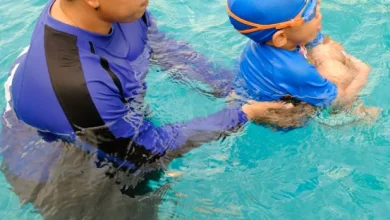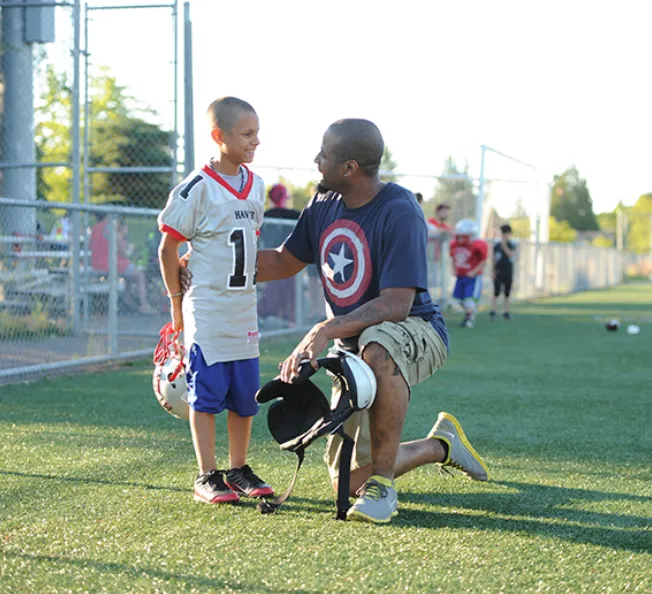
Youth sports offer a fantastic platform for children to develop important life skills like teamwork, discipline, and resilience. However, many kids face challenges that prevent them from fully participating—whether due to disabilities, financial limitations, or cultural barriers. Coaches, leagues, and communities have the power to create more inclusive sports environments, ensuring every child can enjoy the benefits of participation.
Here are five key strategies to make youth sports more inclusive:
1. Foster a Welcoming Environment
The foundation of an inclusive sports program begins with creating a space where all players feel valued and accepted.
- Encourage Diversity: Actively recruit players from various backgrounds, including those with disabilities, different cultural experiences, or varied skill levels.
- Promote Team-Building: Organize icebreakers and team-building activities to help players bond, creating mutual respect among teammates.
- Set Clear Inclusive Values: Communicate that discrimination, bullying, or exclusion of any kind will not be tolerated within the team.
2. Adapt Programs for All Abilities
Ensuring accessibility is essential for making sure all children can participate in sports.
- Introduce Adaptive Sports Options: Offer programs tailored to kids with physical disabilities, such as wheelchair basketball, seated volleyball, or modified soccer.
- Provide Specialized Equipment: Invest in sports equipment that meets a variety of needs, such as sensory-friendly items or softer balls.
- Train Coaches on Inclusivity: Provide coaches with training on how to modify drills, adapt rules, and support players with special needs or disabilities.
3. Break Down Financial Barriers
Many families are prevented from participating in youth sports due to financial constraints.
- Implement Sliding-Scale Fees: Allow families to pay what they can afford, based on their financial situation.
- Partner with Local Businesses: Seek sponsorships or donations to help cover costs for low-income families.
- Offer Equipment Rentals: Create a program where families can borrow sports gear at little to no cost.
4. Embrace Cultural Diversity
Recognizing and celebrating cultural differences enhances the experience for all participants.
- Plan with Inclusivity in Mind: Be mindful of religious holidays and cultural practices when scheduling games and events.
- Celebrate Multiculturalism: Organize events that celebrate the diverse cultural backgrounds of players and their families.
- Provide Multilingual Support: Offer materials and communication in multiple languages to ensure all families feel included and informed.
5. Focus on Skill Development, Not Just Competition
Too much focus on competition can alienate kids who are still learning the ropes of a sport.
- Prioritize Enjoyment Over Winning: Encourage kids to have fun, develop teamwork skills, and focus on personal growth rather than just winning.
- Offer Non-Competitive Opportunities: Set up recreational leagues or clinics where children can learn and play without the pressure of competition.
- Celebrate Individual Progress: Recognize improvements in skills, effort, and sportsmanship for every player, not just the most accomplished.
Conclusion
Creating inclusive youth sports programs benefits not only the athletes but the entire community by promoting understanding, cooperation, and equality. By building welcoming environments, removing barriers to participation, and embracing diversity, we can ensure every child has the chance to experience the joy of sports.
When youth sports become truly inclusive, they reflect the best aspects of teamwork, where everyone has a place on the field, court, or rink. Let’s work together to make that vision a reality.