Proper nutrition and hydration are key to maximizing athletic performance. Whether your child is playing sports for fun or pushing themselves to compete at a higher level, fueling the body correctly is crucial. These six simple tips will help ensure that young athletes get the most out of their workouts, practices, and games.
1. Prioritize a Balanced Diet
To stay energized and perform well, athletes need a mix of high-quality energy sources. Carbohydrates, protein, and fats should all be incorporated into meals throughout the day.
- Carbohydrates are the primary fuel for exercise and should be consumed daily. Opt for complex carbs like whole grains, fruits, and vegetables.
- Protein helps with muscle repair and should be part of each meal. Lean meats, eggs, dairy, and plant-based options are great choices.
- Healthy fats from sources like nuts, seeds, and avocados are important for sustained energy.
A well-rounded diet is essential for consistent training and peak performance.
2. Plan Your Pre-Workout Meal
The timing of meals is just as important as what you eat. For optimal energy, aim to eat a balanced meal 2-3 hours before exercising. This gives the body time to digest and properly absorb the nutrients.
- If you have several hours before your workout, consider a meal with whole grains, fruits, and lean proteins.
- For a morning workout, something lighter, like fruit with nut butter or toast with peanut butter, will provide quick energy.
Hydration is also crucial, so be sure to drink plenty of water before starting any physical activity.
3. Light Snack Before Exercise
About 30-60 minutes before exercise, a small snack can help maintain blood sugar levels and provide an energy boost. Focus on carbohydrates with a small amount of protein.
- For longer workouts (over 60 minutes), try trail mix or a small energy bar.
- For shorter workouts, a banana, graham crackers, or pretzels can do the trick.
It’s also important to drink some water 20-30 minutes before exercise, aiming for about 1.5 to 2.5 cups in the hour leading up to the workout.
4. Stay Hydrated During Your Workout
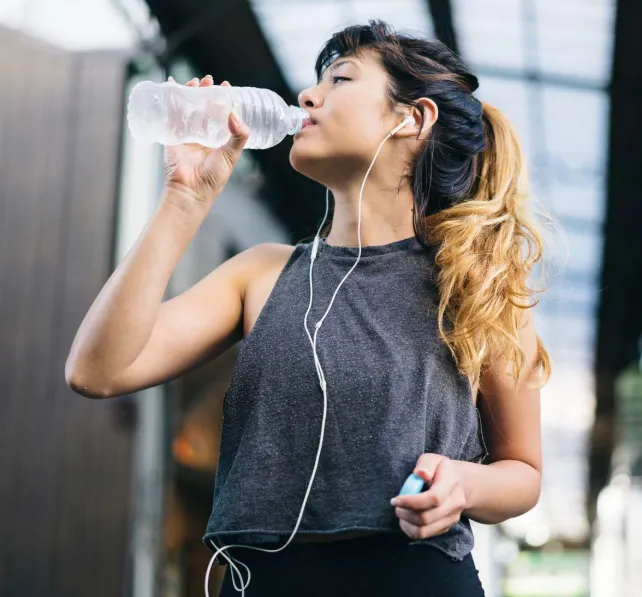
Hydration needs vary depending on the intensity and duration of the exercise. A good rule of thumb is to drink 1.5 to 2 cups of water every 15 minutes during exercise.
- For workouts lasting longer than 90 minutes, a water solution with carbohydrates (about 6-8% concentration) and electrolytes will replenish lost nutrients.
- If the workout is shorter than an hour, water alone is typically enough.
Listen to your body’s hydration cues to maintain optimal performance.
5. Hydrate After Exercise
After your workout, the goal is to replenish any fluids lost through sweat. The best way to determine how much you need is by weighing yourself before and after exercise. For each pound lost, drink about 3 cups of water.
- Check the color of your urine—dark urine is a sign of dehydration, while clear urine indicates proper hydration.
Stay ahead of dehydration by drinking enough fluid post-workout, even if you don’t feel thirsty.
6. Refuel Within Two Hours After Exercise
Eating the right nutrients after exercise is key to recovery. Aim to eat a combination of carbohydrates and protein within two hours after a workout, ideally within 30 minutes.
- A ratio of 4:1 (carbs to protein) has been found to be the most effective for replenishing glycogen stores and aiding muscle recovery.
- Sports drinks or easily digestible foods can also work well if you’re in a hurry, ensuring you get the nutrients you need during that crucial window.
These nutrition strategies will help keep young athletes fueled and prepared to perform at their best. Remember that proper hydration and balanced meals can make all the difference in recovery and continued performance.