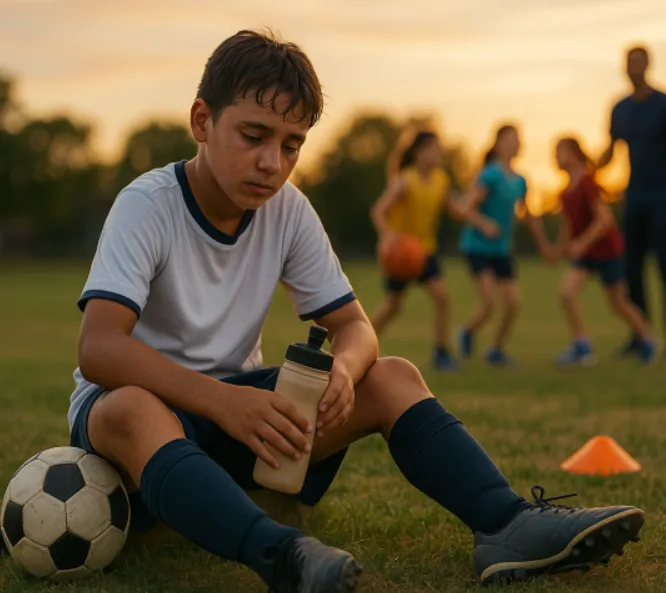
It’s heartbreaking to watch your young athlete lose their passion for the sport they once loved. Whether it’s a soccer player who dreads the next practice, a gymnast who’s overwhelmed, or a basketball player who’s just not into it anymore, burnout is real. And while a brief slump can happen, when burnout sets in, it’s essential to recognize the signs early and address them.
Youth sports burnout has become more common in today’s culture of year-round training, competitive travel teams, and increasing pressure to secure college scholarships. Sports that were once a source of joy and excitement can begin to feel like an exhausting grind for many kids. The good news is, burnout is preventable. With the right strategies, parents, coaches, and athletes can keep the fun alive and make sports enjoyable again.
What is Youth Sports Burnout?
Before we dive into prevention strategies, it’s important to understand what burnout looks like. It’s more than just feeling tired or frustrated. Burnout is a psychological condition that involves:
- Persistent emotional and physical exhaustion
- A feeling of no progress or achievement, despite effort
- A loss of interest or passion for the sport
This kind of burnout can lead to a negative relationship with sports, and in some cases, make young athletes avoid physical activity altogether as they get older. Preventing burnout requires recognizing the signs early and making changes before it becomes a bigger issue.
Signs Your Athlete Might Be Experiencing Burnout:
- Chronic fatigue that doesn’t improve after rest
- Declining performance despite consistent practice
- A lack of enthusiasm or excitement for the sport
- Complaints like “I have to go to practice” instead of “I get to go”
- Complaints of physical discomfort such as headaches or stomachaches
- Personality changes around sports, such as irritability or anxiety
- Avoidance of discussions about their sport
- Changes in sleep patterns or appetite
If you notice any of these signs, it’s important to take action before burnout takes over.
7 Ways to Prevent Youth Sports Burnout
- Encourage Multi-Sport Participation
The idea of early specialization in one sport is becoming increasingly common, but it can lead to burnout. Encourage your child to participate in multiple sports throughout the year. Research shows that multi-sport athletes have better overall motor skill development, lower injury rates, and longer athletic careers. Playing different sports also keeps things fresh and exciting.
Tip: Make it a family rule to switch sports every season, giving your child new challenges and preventing overuse injuries.
- Enforce Regular Breaks from Sports
Many young athletes today have no off-season, which can quickly lead to mental and physical exhaustion. Schedule at least 2-3 months a year away from their primary sport to let them rest and recharge. This time away helps them recover physically and mentally, and gives them space to explore other interests.
Tip: Plan family vacations or other activities during the off-season to help your child build positive associations with taking a break.
- Prioritize Sleep and Recovery
Sleep is vital for young athletes, especially those who train hard. Many athletes today are sleep-deprived, which affects their performance and recovery. Teenagers need 8-10 hours of sleep per night for optimal health and performance.
Tip: Set a consistent bedtime, limit screen time before bed, and make sure your child gets enough rest to recover from both school and sports.
- Focus on Effort, Learning, and Character, Not Just Results
Constantly focusing on outcomes—like winning or achieving high stats—can put undue pressure on young athletes. Instead, praise your child for their effort, attitude, and growth. After competitions or practices, ask them what they learned or what they’re proud of, rather than only talking about the final score.
Tip: Introduce a “no sports talk” rule for the first 30 minutes after practice to give them space to unwind and reflect on their experience.
- Encourage a Well-Rounded Identity
Athletes who define themselves only by their sport are more likely to experience burnout when things don’t go well. Help your child develop a strong sense of self beyond athletics by encouraging them to pursue other hobbies, whether it’s music, art, or community service.
Tip: Spend time together as a family doing non-sport activities, such as hiking, playing games, or cooking.
- Keep the Fun Factor Alive
The reason kids start sports is often because they enjoy them. Make sure that fun remains a part of the experience. Ask your child to rate how much fun they’re having on a scale from 1 to 10, and if the number is low, have a conversation about what’s changed.
Tip: Encourage social activities and allow for some flexibility in practice to keep things lighthearted and enjoyable.
- Give Your Child More Control Over Their Sports Journey
Young athletes who are given more autonomy in their sport tend to stay more motivated. Let them have input on the activities they want to participate in, how often they train, and what their goals are. This fosters a sense of ownership over their development and reduces pressure.
Tip: Have your child set personal goals each season, separate from team goals, and discuss them together.
Creating a Healthy Sports Environment
Preventing burnout isn’t just the responsibility of the athlete—it’s also up to parents, coaches, and the community to foster a healthy, supportive environment. Look for sports programs that focus on development over winning, offer equal playing time, and provide opportunities for all players to improve at their own pace.
When to Take Action
If your child starts showing signs of burnout despite your best efforts, it’s important to intervene early. Take time to have open conversations about how they’re feeling, and consider reducing their training intensity or commitment for a while. Sometimes, taking a break or adjusting expectations can make all the difference.
Conclusion: Keeping the Joy in Sports
Youth sports should be about growth, fun, and the development of life skills, not just about winning or competition. By focusing on mental and physical well-being, prioritizing breaks, and making sports enjoyable again, you can help prevent burnout and ensure your child enjoys their athletic journey for years to come.