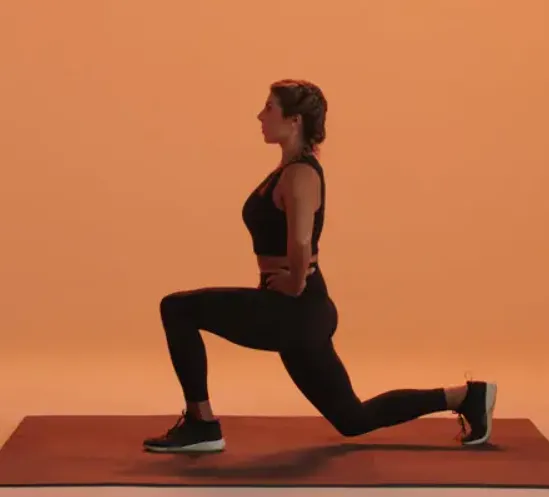
Building strength isn’t just about lifting weights — it’s about progressively challenging your body over time. The concept of progressive overload is key to making continuous gains in strength, muscle growth, and overall fitness. This method involves gradually increasing the intensity of your workouts so that your muscles adapt and grow stronger.
If you’re looking for ways to incorporate progressive overload into your routine, here are nine practical techniques that will guarantee you get stronger.
1. Add an Extra Rep or Set
One of the simplest ways to apply progressive overload is by adding an extra rep or an additional set to your workout. This increases the total volume of work you’re doing, which is crucial for strength and muscle development. For instance, if you did 3 sets of 5 reps last week, try 3 sets of 6 reps this week, or 4 sets of 5 reps. Pick either an extra rep or an extra set — don’t try to do both at the same time.
2. Increase the Weight
Increasing the weight you lift is another straightforward method of progressive overload. If you’ve been lifting the same weight for a while, it’s time to push yourself a bit harder. For example, if you lifted 100 lbs last week, try increasing to 105 lbs in your next workout. Gradually adding weight will boost your strength and muscle mass.
3. Slow Down the Tempo
Tempo refers to the speed at which you perform both the lifting and lowering portions of an exercise. Slowing down your movements increases the time your muscles are under tension, which is an excellent way to stimulate muscle growth. For example, in a squat, if you use a 3-1-1 tempo, you would lower yourself for 3 seconds, pause at the bottom for 1 second, and rise in 1 second. Slowing down the tempo makes each rep more challenging, leading to greater muscle gains.
4. Adjust the Angle of the Exercise
Changing the angle at which you perform an exercise can increase or decrease the difficulty. For example, a push-up with your feet elevated is much harder than one with your hands elevated. You can experiment with cable machines or TRX suspension trainers to alter the angle of different exercises, adding variety and increasing the challenge to your muscles.
5. Switch Up Your Grip
The way you grip the weights or equipment can change the emphasis of the exercise and the muscles targeted. For instance, an underhand grip chin-up targets the biceps more, while an overhand grip emphasizes the back. Changing grips can make the exercise either easier or harder, and can also keep your workouts varied and interesting.
6. Change Your Stance
Altering your stance can affect how an exercise feels and which muscles are engaged. For example, performing exercises in a seated, standing, half-kneeling, or split-stance position can change the dynamics of the movement. A simple switch from seated to standing shoulder presses, or from chin-ups to pull-ups, can help keep your training fresh and continuously challenging.
7. Increase Your Range of Motion
Improving your range of motion (ROM) makes exercises more difficult and increases the time your muscles are under tension. For example, performing deficit deadlifts, rear-foot elevated split squats, or incline bench bicep curls can increase the ROM, leading to more intense muscle activation and growth.
8. Use Unilateral Movements
Unilateral exercises — which involve one side of the body at a time — increase the challenge by forcing your core to engage more. A single-arm overhead press or a one-legged squat targets your muscles more effectively than doing the same exercises bilaterally. Unilateral movements are particularly useful when you have limited equipment available, such as when training at home.
9. Shorten Rest Periods
By reducing the amount of rest time between sets, you can increase the overall intensity of your workout and the volume of work you do in a session. For example, if you rested 2:30 minutes between sets last week, try reducing it to 2 minutes. However, be mindful not to cut rest times too short, as it’s important to have enough recovery to perform the lifts with proper form and strength.
Putting It All Together
To get the most out of these techniques, focus on changing one variable at a time. Overhauling your entire workout can make it hard to gauge what’s actually helping you progress. Remember, “muscle confusion” is a myth — you don’t need to constantly switch things up to see results. The key is to gradually increase the intensity of your workouts over time, ensuring that you continue to challenge yourself and get stronger.
With these nine methods, you can consistently push your limits and see steady improvements in your strength and fitness, whether you’re training for a specific goal or just aiming to get stronger overall.