A Complete Guide to Picking the Right Training Shoes for Your Workouts

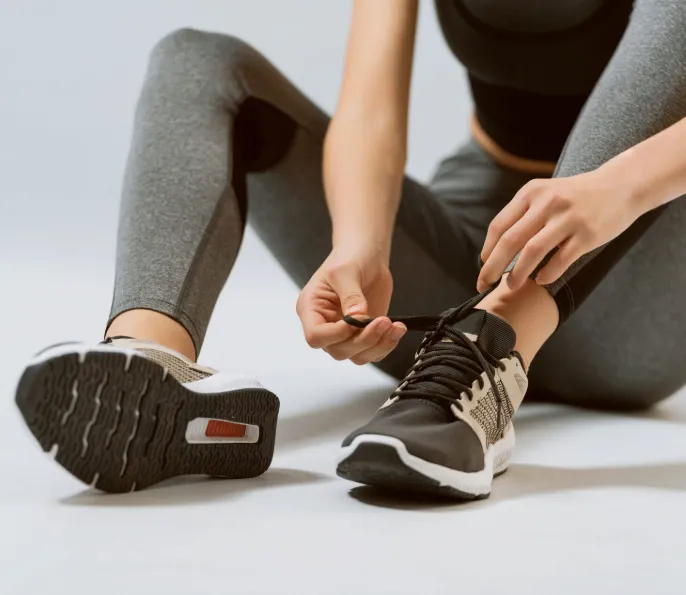
When it comes to fitness gear, nothing is more essential than your shoes. The right pair lays the foundation for comfort, performance, and safety. A poorly chosen pair, on the other hand, can lead to discomfort or even injury. Since workouts often involve high-impact and repetitive movements, choosing training shoes deserves careful attention. Let’s break down how to find the pair that truly supports your goals.
Know Your Foot Mechanics
Many people buy shoes based purely on looks, but understanding your foot type is far more important. One of the key considerations is pronation—the way your foot rolls when it hits the ground.
- Neutral arch: Your foot rolls inward slightly, distributing weight evenly. Look for shoes with balanced cushioning and support.
- Low arch (flat feet): Your foot rolls inward excessively, often leading to overpronation. Motion-control shoes with firm support and stabilizing features work best.
- High arch: Your foot rolls inward very little, creating more pressure on the outer edges. Extra cushioning and flexibility help absorb shock in this case.
A quick way to gauge your arch is by checking the wear pattern on your old sneakers. More wear on the inside suggests flat feet, more on the outside hints at high arches, and even wear indicates neutral feet. Knowing this makes shoe shopping much easier.
Match Shoes to Your Training Style
Different workouts place different demands on your body, so one type of shoe won’t cover it all.
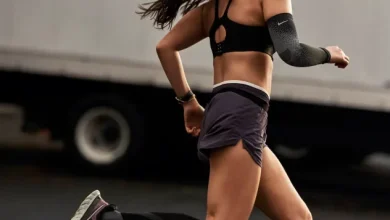
- Running: Opt for lightweight models with solid shock absorption to handle repetitive impact.
- Weightlifting: Shoes with flat, firm soles give you stability for heavy lifts and help you stay grounded.
- Cross-training or HIIT: These workouts involve quick changes of direction, jumps, and varied movements. Choose shoes with both cushioning and lateral support, along with good traction.
Selecting footwear based on your training routine ensures your shoes work with you, not against you.
Key Features to Consider
Once you know your foot type and activity, focus on the finer details:
- Cushioning: Look for padding in the heel and forefoot to reduce stress on joints.
- Support: Secure arch support keeps your foot in proper alignment and prevents unnecessary strain.
- Flexibility: A good shoe bends at the ball of the foot, allowing natural movement.
- Breathability: Mesh uppers or ventilation panels keep your feet cooler and drier during intense sessions.
These elements make the difference between a shoe that feels okay and one that truly enhances performance.
Test Before You Buy
All the research in the world won’t beat trying the shoes on yourself. Make sure they fit snugly at the heel and midfoot without squeezing your toes. Wear the socks you’d normally use for training, and if possible, test the shoes with light activity—many specialty stores have areas where you can jog or move around to get a realistic feel.
Quality Matters
Investing in durable shoes pays off in the long run. Look for neat, reinforced stitching, high-quality cushioning in the midsole, and a sturdy rubber outsole that grips well on different surfaces. Breathability is another marker of quality, with mesh panels or moisture-wicking materials helping to prevent overheating. Price doesn’t always equal performance, but well-constructed shoes tend to hold up better and protect your feet longer.
Final Thoughts
Your feet carry the weight of every rep, sprint, and jump, so giving them proper support is non-negotiable. Choosing the right training shoes means considering your foot type, workout style, and shoe features, then testing for comfort and fit. By prioritizing quality and performance, you’ll not only reduce your risk of injury but also make your workouts more enjoyable and effective.