Preparing for game day plays a crucial role in how well young athletes perform. Whether they’re playing soccer, basketball, baseball, or any other sport, getting the essentials right helps them focus fully on the game. This guide covers the key aspects of game day preparation to ensure your young athlete performs at their best.
Pre-Game Nutrition: Fueling for Success
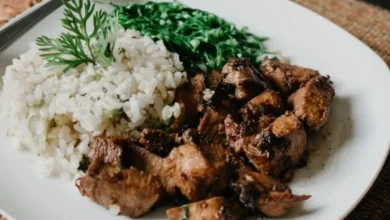
The foundation of great performance begins with proper nutrition. A balanced breakfast 2-3 hours before the game is essential. Opt for complex carbohydrates like oatmeal or whole grain toast, paired with lean protein such as eggs or Greek yogurt. These foods provide sustained energy without upsetting the stomach during competition.
For games later in the day, pack snacks like bananas, granola bars, or trail mix. Avoid greasy foods that can slow digestion and impact performance. Sugary snacks or drinks should also be avoided right before the game, as they can cause energy dips during crucial moments.
Hydration: Key to Performance and Safety
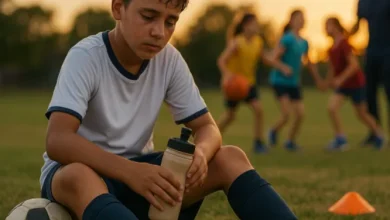
Hydration is vital for both performance and safety in youth sports. Encourage your athlete to start hydrating well before they arrive at the game. A large water bottle is a must, and it’s important to keep sipping during warm-ups and between plays.
Sports drinks can be useful for longer games or tournaments, especially in hot weather, as they replenish lost electrolytes. However, water should still be the primary source of hydration for most youth sports situations. Parents should monitor their children for signs of dehydration, such as fatigue, dizziness, or reduced performance.
Essential Gear Checklist
A solid game day checklist can prevent last-minute stress. Ensure your child has all the necessary sport-specific gear: cleats for soccer or football, appropriate court shoes for basketball, or gloves for baseball. All equipment should fit well and be in good condition before the big day.
Pack a complete uniform, including jersey, shorts, socks, and any required protective gear. Having backup items—like extra socks, hair ties, or another water bottle—can be a lifesaver. A small towel for wiping sweat or cleaning equipment during breaks can also be invaluable.
Don’t forget important items like sunscreen for outdoor sports, lip balm, and any necessary medications, such as inhalers for athletes with asthma. A simple first aid kit with bandages and ice packs is essential for handling minor injuries on the spot.
Mental Preparation: Focus and Confidence
Just as physical readiness is important, so is mental preparation. Encourage your young athlete to visualize positive outcomes and successful plays on the way to the game. Simple breathing exercises can help calm nerves and reduce anxiety before the game starts.
Establish a consistent pre-game routine to help build confidence. This might include listening to favorite music, reviewing key plays, or performing specific warm-up rituals. Consistency in these routines helps athletes feel more confident and reduces game day stress.
Parents can play a huge role by staying positive and focusing on effort over outcomes. Remind your child that mistakes are part of the learning process, and the most important thing is to enjoy the game.
Adapting to Weather Conditions
Weather can significantly impact game day plans. For hot weather, pack extra water, cooling towels, and ensure your child is dressed in light, breathable clothing. In colder weather, layers are key, along with hand warmers and appropriate footwear for good traction.
Rainy conditions require waterproof gear and extra clothing changes. Always check the weather forecast and pack accordingly. Having backup plans in place for severe weather helps reduce stress and keeps everyone safe.
Post-Game Recovery
Game day preparation doesn’t end when the game is over. Recovery is just as important. Pack post-game snacks that include both carbohydrates and protein to aid in recovery, such as chocolate milk, fruit with nut butter, or a recovery smoothie. These foods help restore energy levels and support muscle repair.
Bring comfortable clothes for the ride home, especially after intense games. A small cooler with ice packs can also help treat minor injuries immediately after competition.
Long-Term Game Day Success
With experience, game day preparation becomes more streamlined. Create a standard packing list and review it before each game to make sure nothing is forgotten. Teaching young athletes to take responsibility for their own preparation boosts their confidence and encourages accountability.
Remember, game day should remain enjoyable for youth athletes. While preparation is key, maintaining the right perspective ensures sports stay fun and beneficial, creating positive experiences that build character and create lasting memories.
By following these tips for game day essentials, youth athletes will not only perform at their best but also stay healthy, safe, and focused on enjoying their sport.