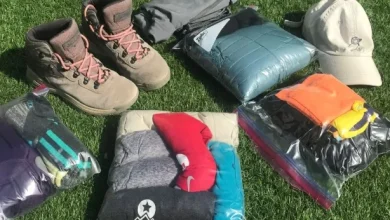
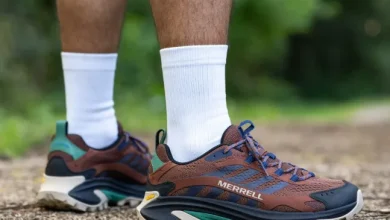
Are You Packing Too Much for Your Hike? Here’s How to Lighten Your Load

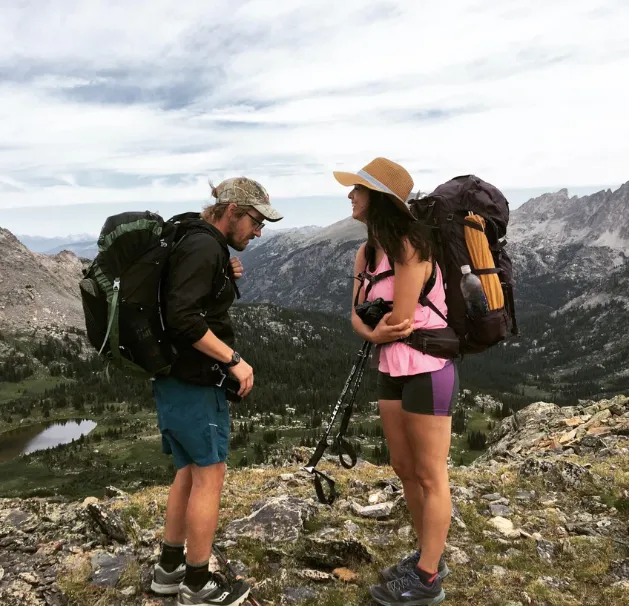
If you’re an avid hiker, chances are you’ve packed your backpack with more gear than you actually need. While it’s tempting to bring everything “just in case,” overloading your pack can lead to discomfort, equipment damage, and even health issues. The good news? You can easily adjust your packing strategy to avoid these problems and enjoy a more comfortable hike.
Let’s dive into how you can reduce the weight of your backpack and avoid the common mistakes that many hikers make when it comes to packing.
The Dangers of Carrying Too Much
Carrying an overly packed backpack can lead to physical strain, particularly on your back and shoulders. In my early hiking days, I made the mistake of packing too much. I’d finish a hike feeling sore, fatigued, and even have trouble sleeping due to the pain. This not only made the hike less enjoyable, but it also increased the risk of long-term injuries.
When you overload your backpack, the added weight places unnecessary pressure on your body. This can cause poor posture, sore feet, and even severe pain if left unchecked. Worse, carrying too much gear can affect your balance, making it more likely that you’ll trip or fall. A comfortable, well-balanced load is essential for a positive hiking experience.
You’re Probably Packing More Than You Need
One of the main reasons hikers carry too much is fear. We often pack more than we need because we’re worried we’ll run into a situation where we’ll require that extra gear. But in reality, many of these “just-in-case” items rarely get used. The key is to prioritize the essentials and leave behind the items you’re unlikely to need.
For example, pack just enough water to get you through your hike. If you’re on a trail with access to streams, consider carrying a water filter and refill as needed instead of lugging extra water. Bring a first aid kit with only the essentials—band-aids, pain relief, and other basic supplies—rather than an extensive trauma kit. Focusing on light, necessary gear is the best way to reduce your pack’s weight.
Weigh Your Backpack
Many hikers underestimate the weight of their pack until it’s too late. Most backpacks are rated by their liter capacity, but weight is just as important. For example, my 36-liter pack felt manageable at first, but when I loaded it up with unnecessary gear, it became a burden.
To avoid this mistake, weigh your pack before hitting the trail. If it exceeds the recommended weight limit, start trimming down. You can even remove packaging from items or switch to smaller, lighter alternatives. This process will help ensure that you’re not carrying more than you need.
Is Your Backpack the Right One?
Sometimes, the issue isn’t necessarily the gear itself, but the backpack you’re using. In the beginning, I used a regular school backpack that offered no support and caused discomfort. A proper hiking backpack, on the other hand, is designed for both comfort and functionality.
Look for a backpack with adjustable straps, a supportive hip belt, and an internal frame for weight distribution. Choose a pack with the right capacity for your hike—smaller packs are ideal for day hikes, while larger ones are better suited for multi-day trips. Packing the right bag and adjusting it to fit your body can make a huge difference in how comfortable your hike is.
Fitness Plays a Big Role
Hiking isn’t just about the gear you bring; it’s also about your physical condition. Strengthening your muscles through activities like running, cycling, or weight training can help you carry heavier loads without discomfort. Regular exercise builds endurance and prepares your body for the demands of hiking.
Remember, hiking shouldn’t be the only form of fitness you rely on. Incorporating strength training and stretching into your routine will not only improve your hiking performance but also reduce the risk of injuries.
Spend Smart or Get Creative
To lighten your load, you might need to invest in more lightweight gear. I’ve found that upgrading my backpack and purchasing lighter tents and sleeping bags has made a significant difference. However, this doesn’t mean you have to break the bank. There are plenty of affordable options, such as shopping at secondhand stores or repurposing items from around your home. Creativity can go a long way in reducing weight without sacrificing functionality.
The goal is to replace heavy items with lighter alternatives while maintaining the same level of quality and comfort. Sometimes, the simplest solutions can make a big difference in your pack’s weight.
Final Thoughts: Pack Light, Hike Smart
The key to a successful hiking experience is not about packing every single item you might need, but rather about carefully selecting what you bring. By focusing on the essentials and opting for lightweight gear, you can reduce the strain on your body and enjoy your hike to the fullest.
Next time you prepare for a hike, take a moment to assess your gear. Challenge yourself to pack smarter, not heavier. By trimming down unnecessary items, you’ll be able to travel further and faster while maintaining the energy and comfort you need to enjoy your adventure.