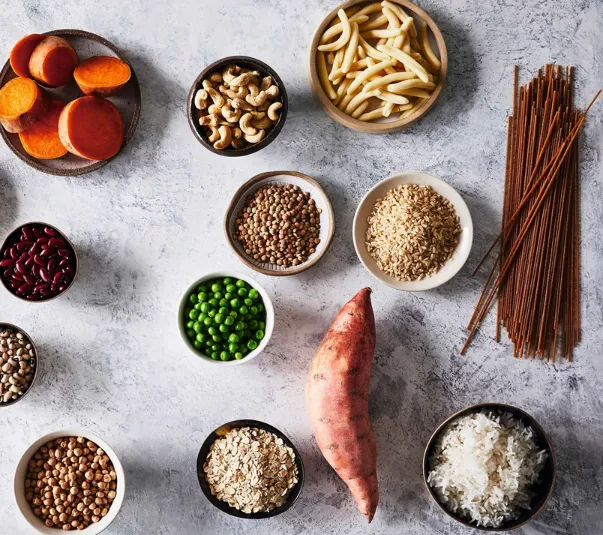
Butyrate is gaining attention in the health and wellness world for its essential role in gut health. This short-chain fatty acid is produced naturally by a healthy gut microbiome, particularly during the fermentation of certain fibers, but it may not be produced in sufficient quantities if your diet lacks the right types of fiber. So, how can you ensure you’re getting enough of this important compound? Let’s explore what butyrate is, its benefits, and the foods that can help you naturally boost its levels.
What is Butyrate?
Butyrate is a short-chain fatty acid (SCFA) that plays a crucial role in maintaining gut health. It is produced in the colon through the fermentation of resistant starch by gut bacteria. When you consume foods that contain resistant starch, your gut bacteria break them down into butyrate, which nourishes the cells in the gut lining. This helps to maintain a healthy gut, support a balanced microbiome, and manage inflammation within the body.
Butyrate also provides several systemic benefits by supporting your immune function, enhancing digestion, and promoting healthy blood sugar levels. It’s often referred to as a “postbiotic” because it’s produced by beneficial gut bacteria.
How Butyrate Supports Gut and Overall Health
Your digestive system is constantly exposed to external toxins, pollutants, and harmful bacteria. As the body’s primary system for absorbing nutrients, the gut is especially vulnerable to inflammation and disease. Butyrate helps counter this by:
- Supporting the gut lining: Butyrate helps repair and maintain the integrity of the gut lining, preventing leaky gut and supporting a healthy mucosal barrier.
- Regulating inflammation: By acting as an HDAC inhibitor, butyrate helps regulate inflammation, which plays a significant role in chronic diseases.
- Balancing gut bacteria: It nourishes beneficial bacteria, promoting a balanced microbiome and supporting overall digestive health.
These actions contribute to improved digestion, a stronger immune system, and better nutrient absorption, all of which are key to maintaining a healthy body.
How is Butyrate Produced?
Butyrate production occurs when gut bacteria ferment resistant starches, a type of fiber that’s resistant to digestion. There are several types of resistant starch, each found in specific foods:
- RS Type 1 – Found in whole grains, legumes, and seeds, this starch is bound within the plant’s fibrous cell walls.
- RS Type 2 – Present in raw potatoes and unripe bananas, this starch is indigestible until cooked.
- RS Type 3 – Formed when certain foods like potatoes and rice are cooked and then cooled. This process, called retrogradation, makes the starch resistant to digestion and increases butyrate production.
- RS Type 4 – A synthetic starch, which is not recommended for consumption.
Butyrate-producing bacteria such as Faecalibacterium prausnitzii and Eubacterium rectale play a vital role in this process. These bacteria account for 5-10% of the healthy gut bacteria in individuals with a balanced microbiome.
Top Butyrate-Rich Foods to Add to Your Diet
To increase your butyrate levels naturally, focus on foods high in resistant starch or that support the growth of butyrate-producing bacteria. Here are some of the best options:
- Cooked and Cooled Potatoes
Potatoes, when cooked and then cooled, form resistant starch, making them an excellent food for boosting butyrate production. This retrogradation process enhances the beneficial effects of potatoes on gut health. - Cooled Rice
Like potatoes, rice undergoes retrogradation when cooled, making it a great option to support butyrate production in your gut. - Legumes
Beans, lentils, and peas are rich in galacto-oligosaccharides (GOS), a type of fiber that promotes the fermentation process in the gut, increasing butyrate production. - Underripe Bananas and Plantains
Green bananas and plantains are packed with resistant starch, which can boost butyrate production when consumed. They can also be used in cooking or baking for a tasty addition to your diet. - Whole Grains
Foods like brown rice, whole wheat, barley, and oats provide additional resistant starch. Incorporating more whole grains into your meals can support butyrate production and overall gut health. - Dairy and Butter
While not a direct source of butyrate, dairy products like butter, cheese, milk, and ghee support butyrate production by nourishing the gut microbiome with beneficial bacteria such as Lactobacillus and Bifidobacterium. These probiotics help maintain a healthy balance of gut bacteria and enhance butyrate synthesis. - Cold Rolled Oats
Cold-rolled oats, when consumed as overnight oats, are a great source of fiber and resistant starch, providing 8 grams of resistant starch per serving. They make an easy addition to your breakfast routine. - Fibrous Vegetables
Vegetables like asparagus, broccoli stems, and leafy greens (such as kale and Brussels sprouts) are rich in prebiotics, which help feed the beneficial bacteria that produce butyrate.
Can You Get Enough Butyrate Through Diet Alone?
While it’s possible to boost your butyrate levels through diet, not all gut microbiomes are equally efficient at producing butyrate. Some people may find it challenging to get the recommended amount of fiber, which is necessary to support butyrate production.
If you’re struggling to get enough butyrate from food alone, supplementation can be a helpful alternative. Butyrate supplements can help ensure you’re receiving the full benefits of this powerful postbiotic.
Conclusion
Butyrate plays an essential role in maintaining gut health and supporting the body’s overall well-being. By incorporating more butyrate-producing foods, such as cooled potatoes, legumes, and dairy, into your diet, you can improve digestion, reduce inflammation, and support a healthy microbiome. If you’re not getting enough butyrate from food, consider supplementation to ensure you’re reaping its benefits for your digestive and overall health.