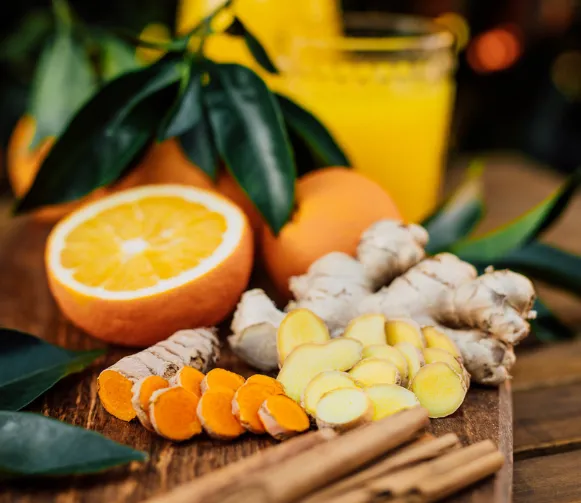
We all experience stress, fatigue, and the occasional cold. It’s part of life. But what if you could reduce your chances of getting sick and strengthen your immune system naturally? Supplements can be an effective way to support your immune system, especially when paired with healthy lifestyle choices. Here’s a look at some of the most effective, science-backed supplements that may help enhance your immunity.
How Stress Impacts Your Immune System
Stress is a major contributor to weakened immunity. Chronic stress can result in headaches, fatigue, sleep disruptions, and even affect your digestive system. When stressed, our body produces more cortisol, a hormone that can suppress immune function, making it harder for your body to defend itself. In addition, long-term stress can lead to behavioral changes, like overeating, lack of exercise, and social withdrawal. It’s crucial to tackle stress in a holistic way to keep your immune system functioning properly.
The Best Supplements for Supporting Your Immune System
While maintaining a balanced diet, regular exercise, and proper sleep are essential for immunity, supplements can provide an extra boost. Here are some top supplements that help your body stay resilient and fight off illness.
1. Vitamin C
One of the most popular and widely known immune boosters, vitamin C is an antioxidant that helps protect cells from damage and supports the production of collagen, a key component for healthy skin, tissues, and blood vessels. Studies have shown that vitamin C can reduce the duration of colds and improve the body’s overall immune response. For optimal absorption, consider liposomal vitamin C, which is designed to penetrate your cells more effectively than standard supplements.
Pro Tip: During times of illness or high stress, consider taking 1-2 grams of liposomal vitamin C spread throughout the day to support your immune function.
2. Zinc
Zinc is a trace mineral with a wide array of benefits for your immune system. It supports cell function, wound healing, and plays a vital role in the body’s ability to fight infections. Zinc also regulates inflammation and has been shown to support the body’s defense against viruses. It’s crucial to maintain a balance of zinc, as high doses can interfere with copper absorption. Liquid zinc offers better absorption and might be an ideal choice for those seeking faster results.
Pro Tip: To avoid copper deficiency, take zinc with a small dose of copper if you plan on using zinc long-term.
3. Vitamin D
Vitamin D is essential for immune regulation, and its deficiency has been linked to increased susceptibility to infections, especially respiratory ones. Since our bodies produce vitamin D from sunlight, supplementation is often necessary, particularly for those living in areas with limited sun exposure. Research indicates that adequate vitamin D levels can help reduce the risk of the flu and improve immune function.
Pro Tip: Aiming for 40-60 ng/mL of vitamin D is optimal for immune health. Combine supplementation with morning sunlight exposure for enhanced effects.
4. Quercetin
Quercetin is a powerful antioxidant that helps reduce inflammation and supports the immune system by facilitating the delivery of zinc into cells. It also has antiviral properties, which can be beneficial during cold and flu season. Combining quercetin with bromelain (a protein-digesting enzyme found in pineapples) can improve its absorption and enhance its effectiveness.
Pro Tip: Pair quercetin with zinc during peak cold and flu periods for extra protection.
5. Elderberry
Elderberry is widely known for its ability to help reduce the severity and duration of colds. Rich in antioxidants, especially anthocyanins, elderberry supports immune function and provides an anti-inflammatory effect. Many people turn to elderberry syrup as a preventive measure or to speed up recovery during illness.
Pro Tip: For maximum immune support, consider pairing elderberry with other supplements like vitamin C and zinc.
6. Adaptogenic Mushrooms: Reishi, Cordyceps, and Turkey Tail
Adaptogenic mushrooms, such as reishi, cordyceps, and turkey tail, have been used for centuries in traditional medicine for their immune-boosting and stress-reducing properties. These mushrooms support the body’s ability to adapt to stress, promote healthy immune responses, and even enhance physical endurance. Studies show that regular consumption of these mushrooms can strengthen immunity and reduce fatigue.
Pro Tip: Add a blend of adaptogenic mushrooms to your daily routine to support both your innate and adaptive immune functions.
7. Probiotics
The connection between gut health and immunity is well-documented. Probiotics help balance the gut microbiome, which is responsible for producing a large portion of the body’s immune cells. By maintaining a healthy gut, probiotics indirectly support the immune system, reducing the likelihood of infections and inflammation.
Pro Tip: During times of stress or after taking antibiotics, consider adding a high-quality probiotic to your regimen for immune support.
8. Garlic
Garlic has long been celebrated for its medicinal properties, especially its ability to enhance immune function. It boosts the activity of critical immune cells, including macrophages and natural killer cells. Whether you’re cooking with garlic or taking it in supplement form, it’s a great addition to any immune-boosting routine.
Pro Tip: To reap the full benefits of garlic, crush or chop it before consuming to activate its immune-supporting compounds.
Other Ways to Boost Your Immune System
While supplements are helpful, they work best when combined with a healthy lifestyle. Consider these additional habits to keep your immune system strong:
- Get Sun Exposure: Sunlight helps regulate immune-modulating hormones like cortisol and melatonin, which are essential for immune function.
- Exercise Regularly: Physical activity supports healthy circulation and helps your body fight off infections.
- Prioritize Sleep: Ensure you’re getting enough rest, as sleep is crucial for immune function and recovery.
- Reduce Stress: Chronic stress can weaken the immune system. Practices like meditation, yoga, and deep breathing can reduce stress levels.
Final Thoughts on Immune Support
Maintaining a healthy immune system requires more than just supplements—it’s about a balanced lifestyle that includes a nutrient-rich diet, exercise, and good sleep. The supplements mentioned here can certainly enhance your immune response, especially during times of illness or high stress. Remember to consult with a healthcare professional before starting any new supplement routine, and don’t forget the importance of managing stress and taking care of your body overall. With the right combination of habits and supplements, you can keep your immune system running strong year-round.