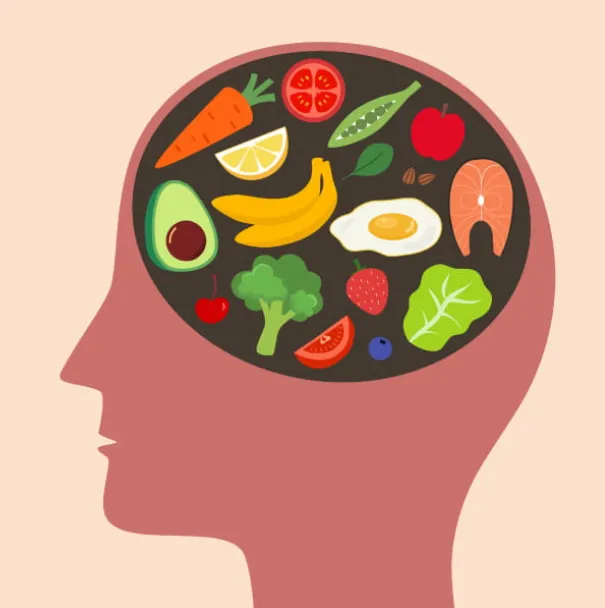
Most people are surprised to learn that the brain is one of the fattiest organs in the body, with nearly 60% of its structure composed of fat. This unique composition is not by accident—fats are critical for brain function, development, and long-term health. Unfortunately, rates of memory decline and neurodegenerative conditions are rising, making it more important than ever to understand what fats build the brain and how diet can support them.
Why the Brain Is So Fat-Rich
Lipids play a central role in brain activity. They insulate nerve fibers, form cell membranes, and help transmit the electrical impulses that make thought, memory, and sensory perception possible. Without the right balance of fats, the brain wouldn’t have the same remarkable ability to process emotions, learn, and coordinate movement.
The Key Fats That Shape the Brain
Phospholipids
Phospholipids, such as phosphatidylcholine, form the backbone of cell membranes, including neurons. They keep cells structured yet flexible, allowing nutrients in and waste out. They also support communication between brain cells and aid in neurotransmitter function. Levels naturally decline with age, which can contribute to forgetfulness and attention difficulties. Replenishing them through diet helps maintain sharpness over time.
Essential Fatty Acids (EFAs)
Omega-3 and omega-6 fatty acids are called “essential” because the body cannot make them on its own. They are crucial for building and maintaining healthy brain cells. However, quality matters—pure, unprocessed forms of EFAs act as fuel for the brain, while damaged or oxidized fats (common in processed foods) can negatively impact cognitive health.
DHA and Arachidonic Acid (AA)
Docosahexaenoic acid (DHA) and arachidonic acid (AA) are especially important during pregnancy and early childhood, when the brain is developing rapidly. DHA, an omega-3, is widely recognized for supporting memory and learning, while AA, an omega-6, plays a complementary role in infant growth. While their demand is highest in early life, adults can maintain sufficient levels by eating foods rich in their parent fatty acids—alpha-linolenic acid and linoleic acid.
Saturated Fat
Contrary to popular belief, saturated fat is not harmful when consumed from clean, whole-food sources. It plays an important role in maintaining cell structure and overall brain function. Foods like grass-fed beef, eggs, butter, and coconut oil provide healthy forms of saturated fat that support memory and cognition. Avoiding these completely may deprive the brain of an essential building block.
Foods That Support Brain Fat Composition
To keep the brain strong and resilient, it’s important to include a variety of healthy fats in your diet. Here are some of the best sources:
- Phospholipids: eggs, dairy, liver, sunflower seeds, soy
- Omega-3 and Omega-6 EFAs: flaxseeds, hemp seeds, walnuts, salmon, sardines, mackerel, safflower oil
- DHA: cold-water fish such as salmon, sardines, and high-quality fish oils
- Arachidonic Acid: meat, eggs, and dairy products
- Saturated Fat: beef, ghee, butter, coconut oil, organ meats
A balanced approach that combines these fats with plenty of fresh fruits, vegetables, and minerals helps create an environment where the brain can thrive.
Supporting the Brain at Any Age
Healthy fats are fundamental to brain development in early life, but they remain just as important in adulthood and later years. By focusing on phospholipids, essential fatty acids, and clean sources of saturated fat, you can help preserve memory, protect against decline, and support the brain’s remarkable capacity throughout your lifetime.