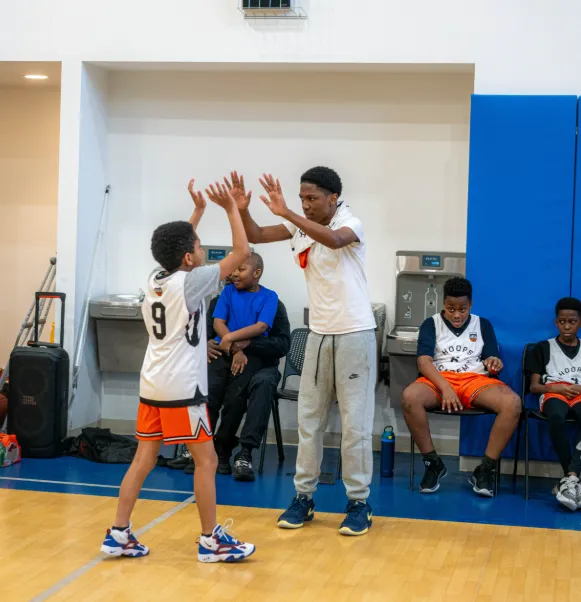
In the world of youth sports, mental strength is just as important as physical ability. With the pressures of competition, practice, and personal growth, young athletes face numerous challenges that test their resilience. Fortunately, mental toughness can be developed with the right practices and mindset. Here are some essential strategies for building mental toughness and resilience in youth sports.
1. Cultivate a Growth Mindset
A key factor in developing mental toughness is adopting a growth mindset. This means viewing obstacles as chances to grow and learn rather than setbacks. When young athletes embrace challenges and setbacks, they can see them as opportunities to improve, rather than discouragement. Encouraging athletes to focus on growth and effort instead of just winning can help them build resilience and stay motivated through difficult times.
2. Focus on What’s Within Your Control
One of the quickest ways to diminish mental strength is to dwell on things beyond our control. For athletes, it’s important to focus on what they can influence—such as their attitude, work ethic, and reactions. By letting go of things they can’t control, athletes can reduce stress and stay focused on their goals. This mindset helps athletes maintain clarity and composure during unpredictable situations.
3. Practice Self-Kindness
Mental strength doesn’t require being tough on yourself. In fact, practicing self-compassion is essential for resilience. Young athletes should be taught to treat themselves with the same kindness and patience they would offer a friend. Mistakes are part of the learning process, and instead of dwelling on them, athletes should learn from these experiences and move forward with a positive mindset. This approach helps build emotional resilience and perseverance.
4. Establish Healthy Habits
Physical health is closely linked to mental strength. Encouraging athletes to adopt healthy habits such as regular exercise, balanced nutrition, and proper sleep can significantly boost their mental toughness. Physical activity, in particular, releases endorphins that help alleviate stress and improve mood, creating a foundation for better mental clarity and focus.
5. Introduce Mindfulness and Meditation
Mindfulness and meditation are valuable tools for enhancing mental strength. These practices help athletes stay present, manage anxiety, and regulate their emotions. Through mindfulness, athletes can learn to focus on the present moment, rather than being consumed by past mistakes or future worries. Even short daily meditation sessions can improve emotional control, patience, and mental resilience.
6. Surround Yourself with Positive Influence
The people around athletes greatly impact their mental resilience. Encourage athletes to build a strong support network of positive, encouraging friends, family, and teammates. Having people who uplift and motivate them can help reduce stress and provide perspective during tough times. The sense of support allows athletes to tackle challenges with greater confidence and emotional stability.
7. Set Achievable Goals
Setting clear, realistic goals is crucial for staying mentally strong. When athletes know exactly what they’re working toward, it helps them stay focused and motivated. Breaking larger goals into smaller, attainable steps can prevent feeling overwhelmed and allow athletes to celebrate small victories along the way. Achieving these smaller milestones builds confidence and mental resilience, especially when facing larger challenges.
8. Learn to Set Boundaries
One important aspect of mental toughness is knowing when to say no. Overcommitting to too many activities can lead to burnout and stress, which weakens mental resilience. Athletes should be encouraged to set boundaries and prioritize their well-being. Learning to say no when necessary is essential for maintaining balance and mental strength.
Conclusion
Building mental toughness in youth sports is a continuous process that involves adopting the right mindset, healthy habits, and supportive relationships. By focusing on controllable factors, practicing mindfulness, and showing kindness to oneself, athletes can build the resilience needed to face challenges confidently. Remember, mental strength isn’t about avoiding difficulties—it’s about bouncing back stronger every time. With the right support, young athletes can develop the mental fortitude to thrive both in sports and in life.