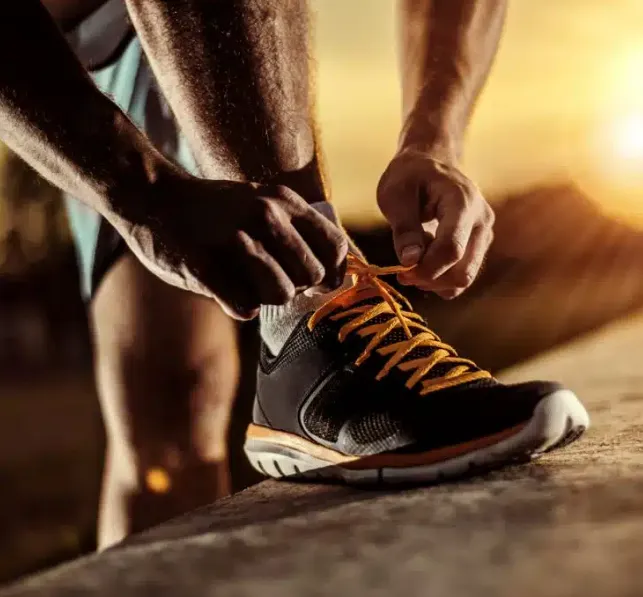
When you walk into a sporting goods store, you’re greeted by walls lined with athletic shoes in every imaginable color and design. While they may seem like mere fashion statements, each pair is carefully crafted to suit a specific activity or sport. Whether you’re running a marathon, hitting the gym, or playing a game of tennis, the right shoes are vital for performance and injury prevention.
Selecting the right athletic footwear isn’t just about comfort—it’s about supporting your body’s movements while minimizing injury risks. Here’s how to choose the best shoes for your activity and avoid common mistakes that could leave you sidelined.
Why Different Sports Require Different Shoes
Each sport has unique demands on your body, and footwear plays a crucial role in meeting those demands. For example, running shoes are designed to provide cushioning and absorb the shock of repetitive forward motion. If you use these for other activities, such as tennis, you might find yourself slipping or experiencing ankle discomfort because they lack the support for lateral (side-to-side) movements.
Similarly, weightlifting requires shoes with a flat, stable sole to provide support for heavy lifts. Some lifting shoes even have a raised heel, which helps maintain proper form during squats and deadlifts.
Here’s a quick rundown of shoes for common sports:
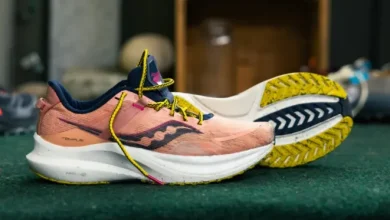
- Running Shoes: Designed with cushioning for shock absorption, ideal for long-distance running on hard surfaces like pavement.
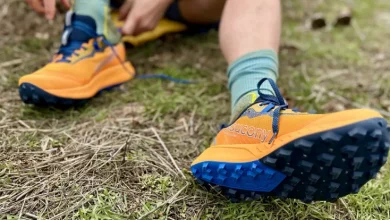
- Trail Running Shoes: Built with durable soles and excellent traction for uneven, often slippery trail terrain.
- Cross-Training Shoes: Versatile shoes for a variety of gym workouts, offering stability and flexibility for lateral movements.
- Tennis Shoes: Feature a stable base and extra support to withstand the quick lateral motions of tennis.
- Weightlifting Shoes: Have flat soles or a raised heel to improve balance and posture during heavy lifts.
- Basketball Shoes: Provide support for sudden directional changes, with a thick, often stiff sole to prevent ankle rolls.
Choosing the correct shoe based on your activity ensures that your feet and joints are properly supported, reducing the risk of injury.
Understanding Your Pronation and Foot Mechanics
When selecting shoes, it’s essential to consider your pronation type. Pronation refers to how your foot naturally rolls when you land after each step. People can be neutral, overpronators, or underpronators (also called supinators).
- Neutral Pronation: The foot rolls inward slightly, distributing impact evenly.
- Overpronation: The foot rolls excessively inward, which can lead to extra stress on joints.
- Underpronation (Supination): The foot doesn’t roll inward enough, causing pressure to build on the outer edges.
Understanding your pronation helps in choosing the right shoe, as different types provide varying levels of support:
- Motion-Control Shoes: Best for those with flat feet or severe overpronation. These shoes limit excessive inward roll with a firm heel counter and extra arch support.
- Stability Shoes: Ideal for moderate overpronators, offering a balance of cushioning and support to guide your foot through each step.
- Neutral Shoes: Designed for those with neutral pronation or mild underpronation. These shoes are more flexible and allow for a natural range of motion.
The right shoe for your pronation type can help prevent common injuries such as shin splints, runner’s knee, and plantar fasciitis by distributing impact forces more evenly.
Cushioning: How Much Is Enough?
Cushioning is a key factor when selecting athletic shoes, especially for runners. It absorbs the shock of each footstrike, preventing overuse injuries. But the amount of cushioning varies, and choosing the right level depends on your activity and preferences.
- High Cushioning: Shoes with a high stack height (the distance between your foot and the ground) provide maximum shock absorption, ideal for long-distance runners or those who frequently run on hard surfaces.
- Moderate Cushioning: These shoes strike a balance between cushioning and ground feedback. They’re suitable for many runners and cross-trainers who need versatility.
- Minimalist Shoes: With a low stack height and little cushioning, minimalist shoes offer a more responsive feel, making them perfect for speed work or runners who want to experience a more “barefoot” run.
Another consideration is heel drop, the difference in height between the heel and the forefoot. A high heel drop (10-12 mm) can benefit runners who land on their heels, while a lower heel drop (0-6 mm) encourages a midfoot or forefoot strike, which can be gentler on the knees and hips.
Sport-Specific Shoes for Optimal Performance
Choosing sport-specific shoes designed for the movements of each activity will give you a competitive edge and reduce injury risk. Here are some sport-specific recommendations:
- Road Running: Shoes with ample cushioning are necessary for the impact of running on hard surfaces.
- Trail Running: Durable shoes with excellent traction help you navigate uneven terrain.
- Cross-Training: Look for shoes that offer lateral support and flexibility for a variety of exercises.
- Tennis: Shoes with lateral stability prevent slipping and provide support for side-to-side movements.
- Weightlifting: Flat-soled shoes or those with a raised heel help maintain proper form during heavy lifts.
- Basketball: High-top shoes provide ankle support and stability for quick pivots and jumps.
How to Find the Right Fit
The fit of your shoes is just as important as their functionality. A well-fitting shoe should feel comfortable right away. It should hug your foot snugly, without being too tight or too loose. Keep in mind that feet swell during exercise, so it’s best to try on shoes later in the day or after a workout when your feet are at their largest.
When trying on shoes, make sure to wear the same type of socks you would typically use for the activity. Walk or jog in place to check for any discomfort or pressure points. If your heel slips out of the shoe or your toes feel cramped, it’s time to try a different pair.
Tips for Long-Term Foot Health
Even the best shoes wear out over time. Running shoes, in particular, lose their cushioning after 300-500 miles of use, so it’s important to replace them regularly to avoid injury. Be mindful of your body’s signals—if you start feeling discomfort or pain that wasn’t there before, it might be time for a new pair.
In summary, the right athletic shoes can make all the difference in preventing injuries and enhancing performance. Whether you’re running, lifting weights, or playing sports, choosing the appropriate footwear that suits your biomechanics and the demands of your activity is essential. With the right pair of shoes, you’ll not only improve your performance but also reduce your risk of injury.