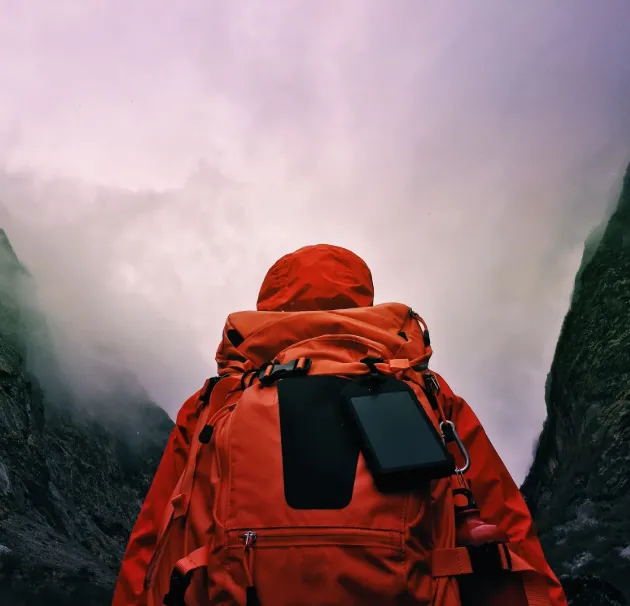
When heading out on a hike, packing the right gear can make all the difference between a pleasant experience and a challenging or even dangerous situation. It’s easy to underestimate what you’ll need, but being prepared for unexpected situations is crucial. In this guide, I’ll go over the hiking essentials every adventurer should carry to stay safe and comfortable.
Why Hiking Gear Matters
Many beginners or casual hikers may not realize the importance of carrying the right gear. Some may think they can get away with nothing more than a few snacks and a water bottle. However, this false sense of security can quickly disappear when something unexpected happens, like getting lost or injured. Nature can be unpredictable, and without the proper equipment, a simple hike can turn into a dangerous situation.
Carrying the right hiking gear is essential for those “what if” moments. Being prepared ensures you can handle anything nature throws your way.
Must-Have Hiking Gear
Having spent years on the trail, I’ve come to understand which items are crucial for every hike, no matter how short. Here’s a breakdown of my recommended hiking gear essentials for day hikes.
1. A Hiking Backpack
A good hiking backpack is a must for carrying all your gear. Unlike regular backpacks designed for books or short trips, hiking packs are made for rough terrain. They should have adjustable straps, hip support, and an internal frame to help with weight distribution and ventilation. A 20 to 30-liter capacity pack is usually perfect for day hikes.
I personally love Osprey packs for their comfort and durability, but there are plenty of other great options available, including ultralight packs for minimalists.
2. Navigation Tools
Even if you’re familiar with the trail, it’s important to carry multiple forms of navigation. A map and compass are the basic tools for any hike. If you’re new to using them, take some time to learn how. Additionally, a GPS device with a Personal Locator Beacon (PLB) is highly recommended for emergencies. Download offline maps on your phone using apps like All Trails or Gaia, and be sure to bring a power bank to keep your phone charged.
3. Hiking Footwear
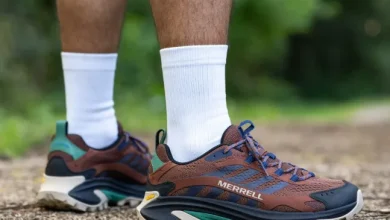
The right shoes or boots are critical for your safety and comfort on the trail. Proper hiking boots provide support, especially on uneven terrain. I personally prefer waterproof boots like those from Oboz, which keep my feet dry even when crossing streams or hiking in wet conditions. For socks, choose ones made for hiking, such as those from Thorlo or Smart Wool, to prevent blisters and keep your feet comfortable.
4. Appropriate Hiking Clothing
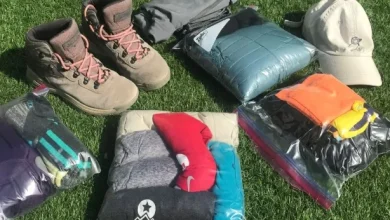
Avoid cotton as it traps moisture and can cause discomfort. Instead, go for hiking-specific clothing like moisture-wicking shirts, convertible pants, and breathable jackets. In colder weather, bring layers and ensure you have clothing that’s suitable for all conditions. Athletic wear made from synthetic materials, like yoga pants or compression gear, can also work well as base layers.
5. Hydration System
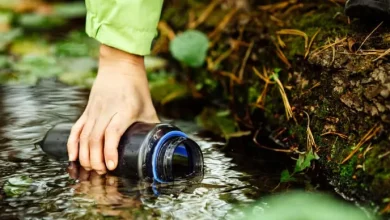
Proper hydration is key when hiking. Dehydration can quickly lead to fatigue and confusion. Carry enough water for your hike, and consider adding electrolyte tablets to replenish lost salts. I use GU or NUUN for hydration. For longer hikes, a portable water filter can be a lifesaver, allowing you to refill from streams or lakes if needed.
6. Trail Snacks
Hiking uses a lot of energy, so bringing nutritious snacks is essential. I prefer high-energy trail bars like Picky Bars or Hammer Nutrition, which provide a good mix of carbs and protein. On longer hikes, I’ll bring sandwiches or freeze-dried meals like Mountain House. Make sure you have enough food to keep your energy levels up throughout the day.
7. First Aid Kit
Accidents can happen on the trail, so it’s vital to carry a basic first aid kit. A small, compact kit with band-aids, blister pads, pain relievers, and antiseptic wipes is usually all you need. I use a SurviveWare kit for its simplicity and functionality. Don’t forget to bring any personal medications or items you might need, like an epinephrine injector for severe allergies.
8. Lighting
Even if you don’t plan to hike after dark, always bring a light source. A headlamp is ideal because it frees up your hands, but a small flashlight works too. It’s essential for signaling or finding your way if you get lost or injured. Make sure to bring extra batteries, and store them separately to avoid accidental drainage.
9. Sun Protection
Protecting yourself from the sun is just as important as staying warm in cold weather. A wide-brimmed hat, sunglasses, and sunscreen are essential for preventing sunburns, especially in areas with minimal shade. Don’t forget to reapply sunscreen throughout the day.
10. Emergency Shelter
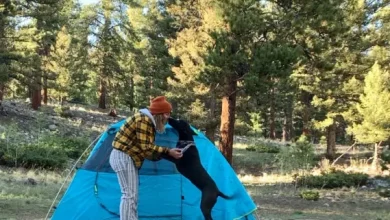
Even if you don’t plan to spend the night on the trail, an emergency shelter is a must-have. A simple rain poncho can double as a shelter when combined with paracord. A lightweight emergency blanket is another essential item for staying warm in case of unexpected circumstances. These items are compact and can easily fit into your pack.
11. Fire Starting Kit
In case of an emergency, a fire starter can help you stay warm, especially if you’re stuck overnight. A small ferro rod or waterproof matches can do the trick. Make sure to test your fire starter at home so you know how to use it when needed.
12. Knife or Multi-tool
A knife or multi-tool can be indispensable on the trail. Whether you need to cut paracord, prepare food, or make repairs, a good multi-tool can help in many situations. I always carry a small pocket knife and a folding saw for more intensive tasks.
13. Whistle
A whistle is one of those items that’s easy to forget, but it can be crucial in an emergency. If you need to signal for help, a whistle can carry much further than your voice and uses much less energy. Many backpacks have built-in whistles on the sternum straps, so check yours before you head out.
14. Personal Items
Don’t forget your personal hygiene items, including lip balm, deodorant, and any necessary medications. A “poop kit” is another essential for hikers—this includes toilet paper, a hand shovel, and a Ziploc bag for packing out waste. Always follow Leave No Trace principles when hiking.
15. Insect Repellent
Mosquitoes, ticks, and other biting insects are common on the trail. Use insect repellent to keep them away, and consider treating your clothing with permethrin to prevent tick bites. This is especially important in areas where ticks carry Lyme disease.
16. Gear Repair Kit
It’s always a good idea to carry some basic gear repair tools. Duct tape, zip ties, and a small sewing kit can fix many common hiking gear issues. Having these items on hand can save you from being stranded with broken gear.
Conclusion
Hiking is an incredible experience, but it comes with risks. Being prepared with the right gear can help you handle emergencies and ensure you enjoy the hike safely. By packing these essentials, you’ll be ready for anything the trail throws at you. Whether you’re a beginner or an experienced hiker, always remember: the right gear could be the difference between a memorable adventure and a dangerous situation.