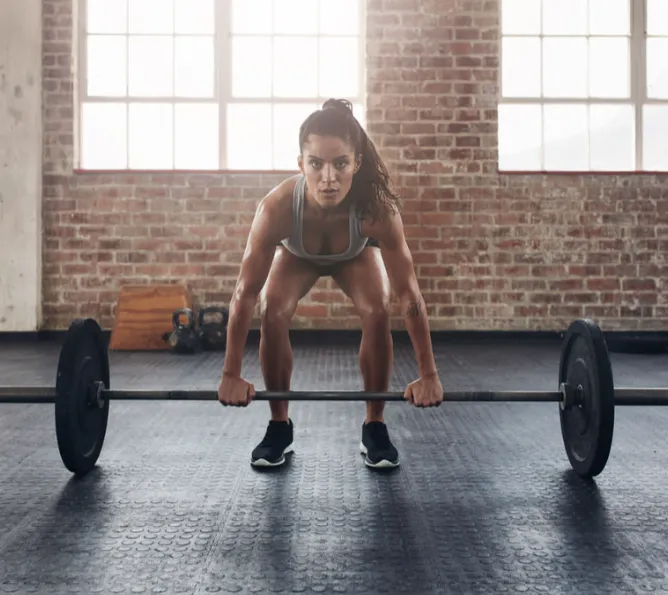
There’s nothing quite as satisfying as picking up a heavy barbell, right? The deadlift is one of the best full-body exercises, helping to improve grip strength, engage muscles in the posterior chain, boost athletic performance, and build a stronger backside. It’s an incredible lift that can transform your physique, and when done correctly, it’s a game-changer for your overall fitness.
However, the deadlift is also one of the most commonly butchered exercises in the gym. While lifting heavy can be a fantastic way to reach your fitness goals, doing it incorrectly can lead to injury. In this guide, I’m going to break down how to fix the most common deadlifting mistakes to help you lift safely and effectively.
Deadlift Prerequisites
Before jumping into heavy deadlifting, it’s important to master the basic mechanics. The deadlift requires mobility in the posterior chain (your glutes, hamstrings, and hips) and stability in the core (abs and back). A great way to build this foundational strength is by practicing the hip hinge movement without any weight.
A simple drill is using a PVC pipe, broomstick, or similar object to practice the hinge. Hold the PVC behind your body, with one hand on your head and the other on your tailbone. Initiate the hinge from your hips and focus on keeping your legs straight with a slight knee bend, hips pushed back, and a flat torso. Engage your core and make sure the PVC stays in contact with your body. This drill will help you understand how to hinge properly.
Once you’ve mastered the hip hinge, progress to kettlebell deadlifts. This will allow you to load the movement and develop the proper technique. Keep your core engaged and treat the kettlebell like a heavy weight, making sure to brace your abs as the weight increases.
Deadlift Set Up
When it comes to deadlifting, there are two main styles: conventional and sumo. The conventional deadlift is done with feet shoulder-width apart and hands just outside your legs. The sumo deadlift, on the other hand, involves a wider stance with toes turned outward and hands placed inside your legs.
There’s no definitive answer on which style is better—it’s a matter of what feels most comfortable and natural for your body. Experiment with both to find what works best for you.
Common Deadlifting Mistakes and How to Fix Them
While the deadlift itself isn’t dangerous, improper form can lead to injury. Here’s how to fix the most common mistakes people make when deadlifting:
1. Turning It Into a Squat
One of the biggest mistakes people make is turning the deadlift into a squat. The deadlift is a hip-dominant movement, meaning you should hinge at the hips, not squat down. Many people mistakenly bend their knees too much, leading to a squat-like motion.
To fix this, focus on hinging from your hips. You can practice this by standing in front of a wall and gently touching your hips to the wall with each repetition. The goal is to feel the movement in your glutes and hamstrings, not your knees.
2. Not Maintaining a Neutral Spine
A common piece of advice is “lift with your legs, not your back,” and this holds true for the deadlift as well. Many people fail to brace their core properly, causing their back to round during the lift. This is a big no-no, as it can put undue stress on the spine.
To correct this, engage your core before you begin the lift. Brace your abs as if you’re preparing to be punched in the stomach. Additionally, engage your lats by pulling your shoulders down and back. This will help you maintain a neutral spine throughout the movement.
3. Yanking the Bar Off the Ground
A common mistake is yanking the bar off the floor as soon as you grip it, which often results in rounding the back. Instead, before lifting, “take the slack out” of the bar by gently pulling up until you feel tension in the barbell. This eliminates any unnecessary energy leaks and helps you generate more force, protecting your lower back.
4. Letting Your Shoulders Round
As you prepare to lift, it’s crucial to keep your shoulders engaged. Failing to do so can lead to rounded shoulders, which can also cause your back to round during the lift. To fix this, think about lifting your chest and keeping a “proud chest” position. This ensures your shoulders stay back and your spine remains neutral.
5. Messing Up the Lockout
The lockout is when you reach full hip extension and stand tall with the bar. A common mistake is either not pushing the hips all the way through or overcompensating by arching the lower back. To fix this, squeeze your glutes at the top of the movement to drive the hips forward, ensuring you reach a fully extended position without arching your back.
6. Performing Too Many Repetitions
Deadlifts are not a “toning” exercise. They’re meant to build strength. Avoid the temptation to do high reps with lighter weights. Instead, focus on 3-5 sets of 1-8 reps, depending on your goals. Use heavy weights to build strength effectively.
7. Thinking You Must Pull from the Floor
Many people feel the need to deadlift from the floor, but that’s not always necessary. If you lack the mobility to get into the proper position, it’s okay to modify your setup. Using a rack or block pull (elevating the bar slightly) is a great alternative if you’re struggling with flexibility or mobility.
7.5. Thinking You Have to Use a Barbell
You don’t need a barbell to deadlift. Dumbbell Romanian deadlifts and kettlebell deadlifts are excellent alternatives, especially for beginners or those focusing on specific muscle groups. A trap or hex bar can also be a great tool for improving your form, as it allows you to keep a neutral spine and reduce the stress on your lower back.
Conclusion
Deadlifting is a fantastic exercise when performed correctly, but it’s essential to get the form right to avoid injury and maximize results. Focus on the proper set-up, maintain a neutral spine, and ensure you’re using the correct movement patterns to protect your body and build strength. Whether you prefer conventional or sumo, barbell or kettlebell, mastering the deadlift will give you the power and stability you need for better performance and a stronger body.