Muscle cramps can strike unexpectedly, causing intense discomfort and disrupting your daily activities. Whether you’re an athlete, fitness enthusiast, or just someone who occasionally suffers from cramps, understanding how to prevent them is essential. A key component in preventing muscle cramps is proper nutrition. By incorporating specific foods into your daily routine, you can provide your body with the nutrients it needs to prevent these painful spasms.
Hydration is Crucial
Before we dive into food choices, it’s important to emphasize the significance of hydration. Dehydration is one of the most common causes of muscle cramps, so maintaining adequate hydration is vital. Make sure you’re drinking enough water throughout the day. Additionally, hydrating foods like cucumbers, watermelon, and oranges can support your fluid intake and help maintain balance.
Potassium-Rich Foods
Potassium is a vital mineral that regulates muscle contractions and fluid balance. A potassium deficiency can lead to muscle cramps, so it’s important to include potassium-rich foods in your diet. Some excellent sources of potassium include:
- Bananas: Known for their high potassium content, bananas are an easy, go-to snack to help prevent cramps.
- Sweet Potatoes: Packed with potassium and complex carbohydrates, sweet potatoes provide lasting energy.
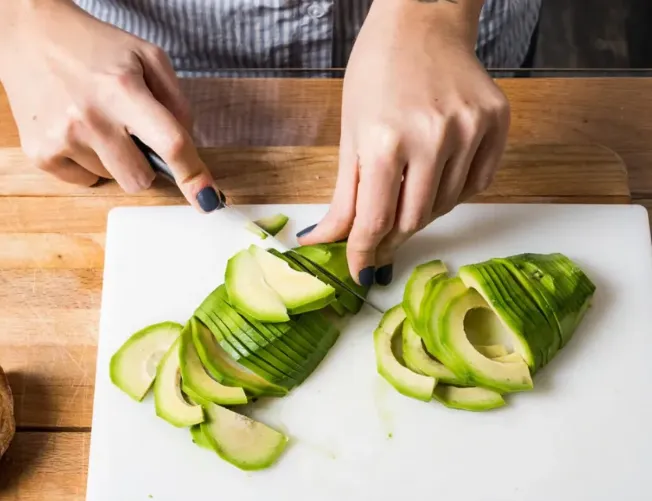
- Avocados: These nutrient-dense fruits are loaded with potassium and healthy fats, benefiting overall health.
Magnesium’s Role
Magnesium is another essential mineral for muscle function and relaxation. A magnesium deficiency can contribute to cramps, so ensuring you get enough in your diet is crucial. Top sources of magnesium include:
- Leafy Greens: Vegetables like spinach, kale, and Swiss chard are rich in magnesium and can be added to salads or smoothies.
- Nuts and Seeds: Almonds, pumpkin seeds, and sunflower seeds are portable, magnesium-packed snacks.
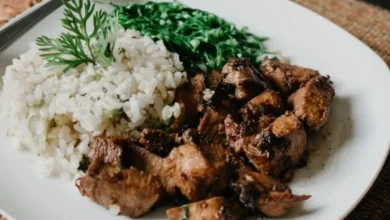
- Whole Grains: Brown rice, quinoa, and whole wheat bread provide magnesium and other important nutrients.
Calcium for Muscle Health
While calcium is commonly known for its role in bone health, it is also vital for muscle function. Adequate calcium intake supports proper muscle contractions and helps prevent cramps. Foods high in calcium include:
- Dairy Products: Milk, yogurt, and cheese are rich in calcium. Choose low-fat or fat-free versions for a healthier option.
- Leafy Greens: In addition to magnesium, vegetables like collard greens and bok choy are also great sources of calcium.
- Fortified Foods: Many plant-based milk alternatives and cereals are fortified with calcium, making them ideal options for those avoiding dairy.
Balancing Sodium and Electrolytes
Sodium is crucial for maintaining electrolyte balance, especially for athletes who lose sodium through sweat. While too much sodium can be harmful, a moderate amount is necessary to prevent cramps. Some foods that help maintain electrolyte balance include:
- Sports Drinks: These beverages can help replace electrolytes lost during intense exercise. Opt for low-sugar varieties when possible.
- Pickle Juice: Often used by athletes for its high sodium content, pickle juice is known to provide quick relief from cramps.
Vitamin B Complex for Muscle Function
The B vitamins, especially B1 (thiamine), B6 (pyridoxine), and B12, are essential for muscle function and can help reduce cramping. Good sources of B vitamins include:
- Meat and Fish: Lean meats, poultry, and fish like salmon and trout are excellent sources of B vitamins.
- Whole Grains: Fortified cereals, brown rice, and oatmeal can provide a good amount of B vitamins.
- Legumes: Beans, lentils, and chickpeas are rich in B vitamins while also providing fiber and protein.
Final Thoughts
Preventing muscle cramps requires a combination of staying well-hydrated and eating a nutrient-dense diet. By including potassium, magnesium, calcium, sodium, and B vitamins in your meals, you can support optimal muscle function and reduce the risk of cramps. A balanced diet not only promotes muscle health but also contributes to overall well-being. So, be sure to stock up on these cramp-fighting foods and enjoy a more comfortable and active lifestyle.