Gut Microbiome Testing: What to Expect and How to Support Your Gut Beyond the Results

The community of microbes in your gut plays a major role in digestion, immunity, metabolism, mood, and even cognitive function. With interest in gut health on the rise, microbiome testing has become a popular way to learn more about what’s happening inside your digestive system. But while these tests can provide valuable insights, it’s important to understand both their limits and their potential. Real healing doesn’t come from testing alone—it comes from what you do with the information, and how you support your gut in daily life.
What Is Gut Microbiome Testing?
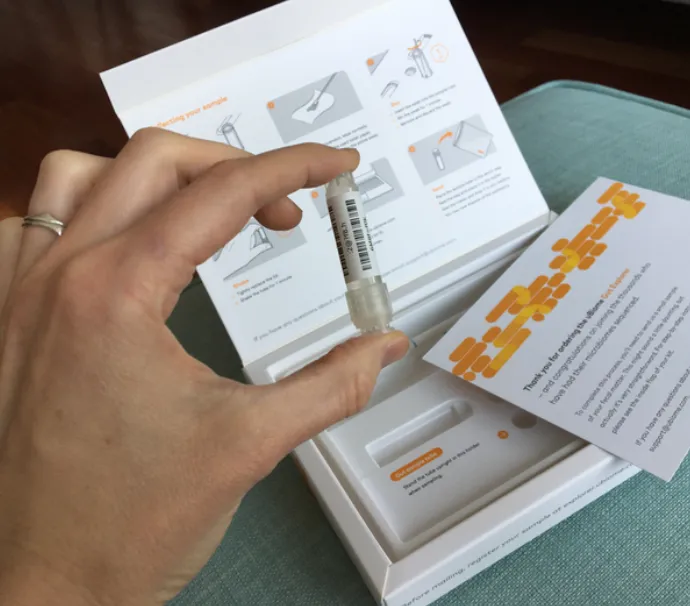
Gut microbiome testing involves analyzing a stool sample to identify the mix of bacteria, fungi, and other microbes in your digestive tract. Depending on the type of test, you may receive data on:
- The diversity of your gut microbes
- The presence of pathogens, overgrowths, or parasites
- Markers of inflammation or irritation
- Levels of beneficial compounds like short-chain fatty acids
- Dietary or supplement suggestions based on your microbial profile
Some advanced tests also provide information on food sensitivities, digestive function, or how your gut may influence mood and energy. While fascinating, these results reflect only a moment in time and should be viewed as part of a bigger picture.
7 Things to Expect from Gut Microbiome Testing
If you’re considering a test, it helps to know what you might learn—and what you won’t. Here are seven realities to keep in mind:
- It’s a snapshot, not a final answer.
Your microbiome changes daily, influenced by diet, stress, sleep, and environment. Results show patterns, not permanent truths. - Diversity scores may vary.
Some tests measure microbial diversity, with higher diversity often linked to better resilience. Low scores don’t necessarily mean something is “wrong”—they may simply suggest that your gut would benefit from more fiber or variety in your diet. - Pathogens or imbalances may show up.
Testing can highlight organisms like candida or bacterial overgrowth. Interpretation is key, since not all flagged microbes are harmful in every situation. - Results can be complex.
Scientific charts and terminology can make interpretation challenging without professional guidance. Some companies simplify results into food or supplement recommendations, but these are broad suggestions rather than tailored treatment plans. - Dietary guidance is common.
Many tests include lists of foods to eat or limit, based on your microbial profile. These guidelines can help, but they should be balanced with your symptoms, lifestyle, and overall health. - Your microbiome keeps changing.
What appears on a test today may look different in a few months. Daily habits—including sleep, diet, and stress—have a stronger influence than any single test result. - Testing alone won’t heal your gut.
Results provide information, but real progress requires action. Strengthening the gut lining, lowering inflammation, and feeding beneficial microbes are what drive meaningful change.
Why Healing Starts with the Gut Lining
One of the most overlooked aspects of gut health is the intestinal barrier. When the gut lining is compromised, particles that should stay in the digestive tract can pass into the bloodstream, causing inflammation and symptoms like bloating, food sensitivities, fatigue, or brain fog.
Supporting the gut lining is a vital first step before probiotics or antimicrobials can work effectively. A key compound in this process is butyrate, a short-chain fatty acid produced when gut bacteria ferment fiber. Butyrate fuels colon cells, strengthens the intestinal barrier, and calms inflammation. Unfortunately, many people don’t produce enough naturally, making support through diet or supplementation especially valuable.
How to Support Gut Health Beyond Testing
You don’t need to wait for a test to begin improving your gut. Whether you use testing or not, these strategies form the foundation of digestive health:
- Butyrate support: Through supplementation or high-fiber foods that promote its production, butyrate strengthens the gut lining and helps balance the microbiome.
- Fiber-rich, diverse foods: A variety of plant fibers feeds different beneficial microbes, encouraging resilience and diversity.
- Anti-inflammatory nutrients: Omega-3s, glutamine, and collagen can soothe irritation and support repair.
- Stress reduction: Chronic stress disrupts the gut-brain connection, so practices like meditation, breathwork, or light movement can be just as important as diet.
- Mindful use of medications: Avoid unnecessary antibiotics or long-term use of NSAIDs, as they can disrupt microbial balance and thin the gut lining.
The Takeaway
Gut microbiome testing can be a helpful tool, but it’s only part of the story. The real progress happens when you take intentional steps to repair your gut lining, feed beneficial bacteria, and manage inflammation. Whether or not you choose to test, the foundations of gut health remain the same: nourish your microbiome, support your body’s natural defenses, and create daily habits that allow your digestive system to thrive.