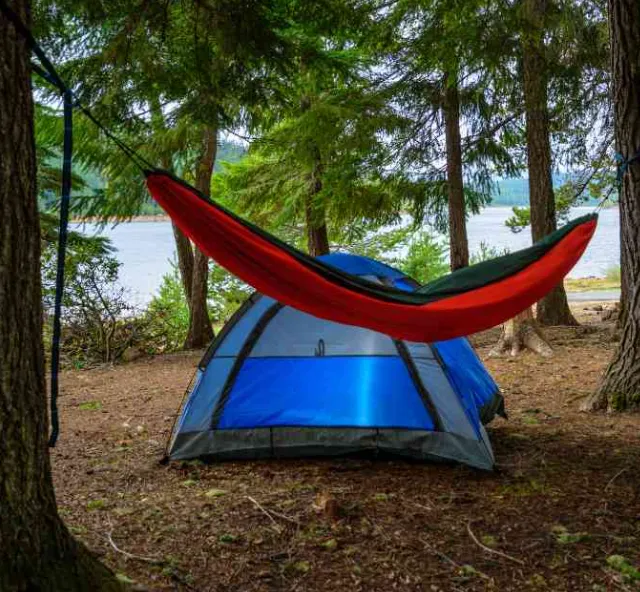
When it comes to camping, one of the biggest debates is whether to choose a hammock or a tent. Both options come with their own set of benefits and challenges, and the choice often depends on your personal preferences, the weather, and the kind of adventure you’re planning. In this article, we’ll break down the pros and cons of both hammocks and tents to help you decide which is the best fit for your next camping trip.
Hammocks: Pros and Cons
Pros of Hammocks
Hammocks offer several advantages, especially for those who value comfort and simplicity in their outdoor experience.
- Comfort: Hammocks are often more comfortable than tents because they keep you off the ground, preventing you from sleeping on rocks or uneven surfaces. This can lead to better sleep and less discomfort.
- Better Airflow: Since hammocks are suspended, they allow more airflow around and beneath you, which can keep you cooler in warmer weather.
- Less Condensation: With proper ventilation, hammocks generally don’t suffer from the condensation issues that tents can, especially during humid nights.
- Easy Relaxation: Hammocks make it easier to relax and enjoy your surroundings, offering a comfortable spot to rest, read, or just take in the view without being confined to an enclosed space.
- Reduced Risk of Bugs: Being off the ground means fewer bugs and critters can crawl into your sleeping area, making hammocks ideal in areas with a lot of insects.
- Portable and Lightweight: Hammocks are generally lighter and more compact than tents, making them easier to carry, especially when backpacking.
- Ideal for Some Health Conditions: For those with back or hip issues, sleeping in a hammock can be gentler, as you don’t have to sleep directly on the hard ground.
Cons of Hammocks
While hammocks are a great option for many campers, they do have some limitations.
- Tree Requirement: Hammocks need two trees to be set up, which isn’t always available in certain camping areas. You also need trees spaced at the right distance.
- Space Limitations: Hammocks are generally for solo campers. If you’re planning to camp with a partner or family, you’ll need multiple hammocks or look for alternatives.
- Additional Gear Needed: To stay comfortable and protected, you often need extra gear like a tarp, bug net, underquilt, and sleep pad, which can add weight and complexity.
- Temperature Sensitivity: Hammocks can feel colder than tents, especially in cold weather, as the insulation from the ground is minimal.
- No Privacy: Hammocks provide less privacy than tents, making it harder to change clothes or have personal space.
- Complex Setup: Setting up a hammock can be tricky, and finding the right trees and space can take time. It may require trial and error to get it right.
Tents: Pros and Cons
Pros of Tents
Tents are the traditional choice for many campers and offer their own set of advantages.
- More Space: Tents offer more room for your gear, and if needed, you can share the space with a fellow camper, pet, or family member.
- Better Protection from the Elements: Tents provide a more secure and enclosed shelter, which is especially useful in extreme weather conditions, like heavy rain or strong winds.
- Comfortable Sleeping Surface: While tents don’t suspend you above the ground like hammocks, they provide a flat surface to sleep on. This makes them a good choice if you prefer a more stable sleeping environment.
- Privacy: A tent gives you the privacy that a hammock cannot. You can change clothes and store your gear inside, keeping your belongings safe from the elements.
- Versatility: Tents can be set up almost anywhere, and you don’t need trees for a secure shelter. This gives you more flexibility in choosing your campsite.
Cons of Tents
While tents are a reliable choice, they do have their downsides.
- Heavy and Bulky: Tents are generally heavier and bulkier than hammocks, especially if you’re camping with a larger tent or bringing extra gear. This can make them less ideal for backpacking or hiking.
- Condensation: Tents can trap moisture, leading to condensation inside, especially if you’re camping in a humid environment.
- Difficult Setup: Depending on the type of tent, setting it up can be time-consuming. If the ground is uneven or wet, it can also affect your comfort inside.
- Limited Airflow: Tents don’t provide as much airflow as hammocks, which can make them feel stuffy and hot, especially in warm weather.
My Final Take on Hammocks vs. Tents
After weighing the pros and cons of both options, I find myself torn between the two. Both have their place depending on the type of camping and your personal preferences.
- Hammocks are perfect for lightweight trips, especially when you’re camping in warm, dry conditions. They’re great for solo campers and offer unmatched comfort in the right conditions.
- Tents, on the other hand, are better for multi-day trips, family camping, or harsh weather conditions where you need protection from rain, wind, and cold temperatures.
Personally, I use both depending on the situation. For backpacking or bikepacking trips, I prefer a tent because of the added space and protection, but for kayaking or shorter trips where I can easily set up near trees, I choose the hammock.
I recommend you try both and decide which works best for you based on the type of adventure you’re planning. Be open to switching between the two options based on the conditions and your needs.