Hydration plays a crucial role in athletic performance, particularly for young athletes. Staying properly hydrated is essential for maintaining both physical and mental well-being during practice and competition. But how much water do youth athletes actually need to stay hydrated and perform at their best? Let’s dive into the key factors that determine hydration needs and provide useful guidelines for practice.
Why Hydration Matters
Water is essential for regulating body temperature, maintaining blood volume, and facilitating muscle function. Staying hydrated helps prevent fatigue, reduce the risk of heat-related illnesses, and speed up recovery. Dehydration, on the other hand, can impair coordination, lead to muscle cramps, and even result in more serious health issues.
Factors That Affect Hydration Needs
There are several variables that influence how much water an athlete needs:
- Age and Size: Younger or smaller athletes generally need less water than older or larger ones, but hydration is still crucial for everyone to support activity and growth.
- Activity Level: The more intense or long-lasting the activity, the greater the need for hydration due to increased sweat loss.
- Environmental Conditions: Hot and humid conditions can significantly raise the risk of dehydration. Even in cold weather, dehydration can occur as the body works harder to regulate temperature.
- Individual Sweat Rate: Some athletes sweat more than others, which can alter their hydration needs. Monitoring sweat loss can provide a clearer picture of individual requirements.
General Hydration Guidelines for Youth Athletes
Although each athlete’s needs are different, here are some basic guidelines to help ensure proper hydration:
- Before Practice: Athletes should drink 16-20 ounces (about 2-2.5 cups) of water 2-3 hours before practice to start the session well-hydrated. Another 8 ounces (1 cup) 20-30 minutes before practice helps top off hydration levels.
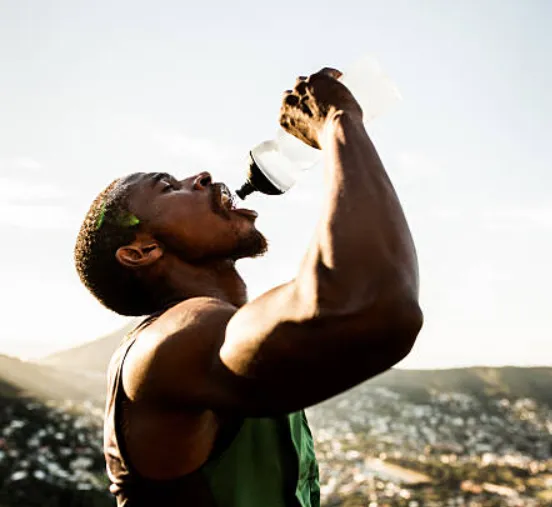
- During Practice: It’s important to drink water regularly throughout practice. Athletes should aim for 7-10 ounces (about 1 cup) every 10-20 minutes, especially during high-intensity or long practices.
- After Practice: Rehydration after practice is essential for recovery. For every pound of body weight lost during practice, athletes should drink 16-24 ounces (2-3 cups) of water. Weighing athletes before and after practice can help determine how much water needs to be replaced.
Signs of Dehydration to Watch For
Teaching young athletes to recognize the signs of dehydration is crucial. These include:
- Thirst: Thirst is a late sign of dehydration, so athletes should drink water regularly even if they don’t feel thirsty.
- Dry Mouth and Lips: A dry mouth or chapped lips can signal dehydration.
- Dark Urine: Urine should be light yellow or straw-colored; dark urine is a sign of insufficient hydration.
- Fatigue and Dizziness: Feeling unusually tired or dizzy could indicate dehydration.
- Headaches: Persistent headaches during or after practice can be a result of dehydration.
Promoting Healthy Hydration Habits
Coaches, parents, and caregivers play a key role in ensuring that youth athletes stay hydrated:
- Provide Easy Access to Water: Make sure water is readily available during practices and games, and encourage athletes to take regular hydration breaks.
- Educate Athletes: Teach them the importance of hydration and help them recognize the signs of dehydration.
- Lead by Example: Coaches and parents should model good hydration habits themselves.
- Use Sports Drinks Sparingly: While water should be the primary hydration source, sports drinks can be useful for longer or more intense practices to replace electrolytes lost through sweat. However, they should not replace water and should be consumed in moderation.
Conclusion
Proper hydration is essential for youth athletes to perform well and stay healthy. By following hydration guidelines and encouraging consistent water intake, athletes can improve their performance and recovery while staying safe during sports activities. Keep in mind that each athlete’s hydration needs are unique, so it’s important to adapt strategies based on individual factors and conditions.