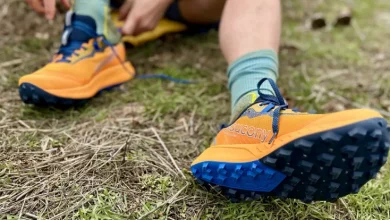
Cross-country running is a demanding sport that challenges athletes in ways that road running simply can’t. From uneven trails to muddy fields, cross-country courses are filled with unpredictable conditions that test your endurance and technique. While many may think any pair of shoes will do, selecting the right cross-country shoes is essential for maintaining speed, preventing injuries, and maximizing your performance. Let’s break down what makes the ideal cross-country shoe and how to choose one that gives you a competitive edge.
What Makes Cross-Country Running Unique?
Unlike standard road races, cross-country running often involves navigating natural landscapes. The terrain can range from grassy meadows to steep, muddy hills, all within the span of a single race. This diversity requires a specialized shoe that can handle all types of surfaces and keep you stable as you change your stride.
Cross-country running also demands quick adjustments in technique. Uphill runs require power and shorter strides, while downhill stretches need precise foot placement to avoid slipping. Mastering these changes is easier when you have shoes that offer the right balance of support, cushioning, and flexibility.
Understanding Your Foot’s Pronation
Pronation refers to the natural movement of your foot when it strikes the ground. As you run, your foot rolls inward to absorb impact and maintain balance. However, some runners overpronate (roll too far inward) or underpronate (don’t roll enough). Both of these issues can lead to injuries if not addressed.
- Overpronation: If you notice excessive wear on the inside of your shoes, you’re likely overpronating. This can lead to injuries like shin splints or plantar fasciitis. To counteract this, look for shoes designed to provide stability and motion control, which help realign your foot during each stride.
- Underpronation (Supination): If your shoes wear out more on the outer edges, you might be an underpronator. This lack of inward roll can lead to ankle sprains or stress fractures. Cushioned shoes with plenty of flexibility can help absorb the shock and encourage more natural foot movement.
- Neutral Pronation: If your shoes show even wear, you have neutral pronation, meaning your foot naturally lands and rolls in a balanced way. Runners with neutral pronation can wear almost any cross-country shoe but might prefer options that provide a mix of cushioning and support.
Flexibility and Fit: The Key to Comfort and Performance
Given the varied terrain you’ll encounter, cross-country shoes need to be flexible enough to adapt to sudden changes but still provide stability. Flexibility allows your foot to bend naturally, making it easier to maintain balance, especially on uneven surfaces. However, too much flexibility can compromise stability and increase the risk of injury, so finding the right balance is crucial.
The fit of your shoe is equally important. A good pair of cross-country shoes should fit snugly around your foot, providing a stable base while leaving some room for natural foot swelling during long runs. Your heel should stay secure, and your toes should have enough space to move without feeling cramped. A well-fitting shoe ensures comfort and reduces the likelihood of blisters or foot pain.
Why You Might Need Two Pairs: Training vs. Racing Shoes
For those serious about cross-country, having two pairs of shoes might be a wise investment.
- Training Shoes: These are designed for durability and comfort, built to withstand daily training sessions. They offer extra cushioning and support to protect your feet during long runs and intense workouts. Although slightly heavier, training shoes help build leg strength and stamina, preparing you for race day.
- Racing Shoes: Racing flats, on the other hand, are all about performance. They’re lighter and less cushioned than training shoes, allowing for faster foot turnover. With less weight to carry, you can improve your cadence, helping you achieve a faster race pace. Racing shoes also offer a more responsive feel, providing you with a closer connection to the ground during a race.
Key Features to Look for in Cross-Country Shoes
While the specific features of cross-country shoes can vary, here are some general qualities that make for a great pair:
- Traction: Cross-country shoes should have a rugged outsole with deep lugs to provide grip on various surfaces, from muddy trails to slippery grass. This is essential for maintaining footing, especially on downhill sections.
- Cushioning: While cross-country shoes don’t require as much cushioning as road running shoes, a moderate level is necessary to absorb shock and protect your joints, especially during long races.
- Durability: Cross-country shoes need to be tough. Given the varied terrain, your shoes should be built to last, with reinforced materials that can withstand rough conditions.
- Breathability: Look for shoes with breathable mesh uppers to keep your feet cool and dry, even during the most intense parts of the race.
Conclusion: Finding the Perfect Cross-Country Shoes
Choosing the right cross-country shoes is an important decision that can significantly affect your performance and reduce your risk of injury. When selecting your shoes, consider factors like your pronation type, the shoe’s flexibility, and how it fits your foot. Whether you’re training or racing, having the right footwear can provide you with the support you need to navigate difficult terrains with confidence.
The next time you’re looking for a new pair of shoes for your cross-country adventures, remember that the right pair isn’t just about looking good. It’s about finding a shoe that complements your unique foot structure, offers the right balance of comfort and support, and helps you perform your best. With the right shoes on your feet, you’ll be ready to tackle any trail that comes your way.