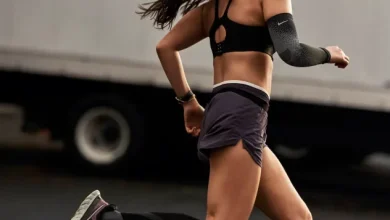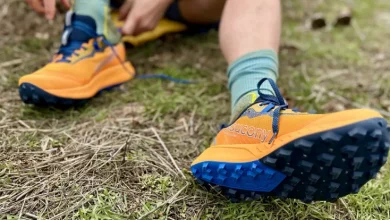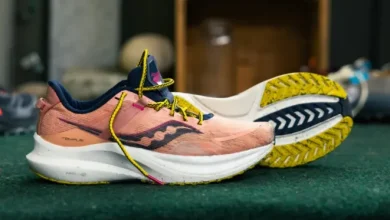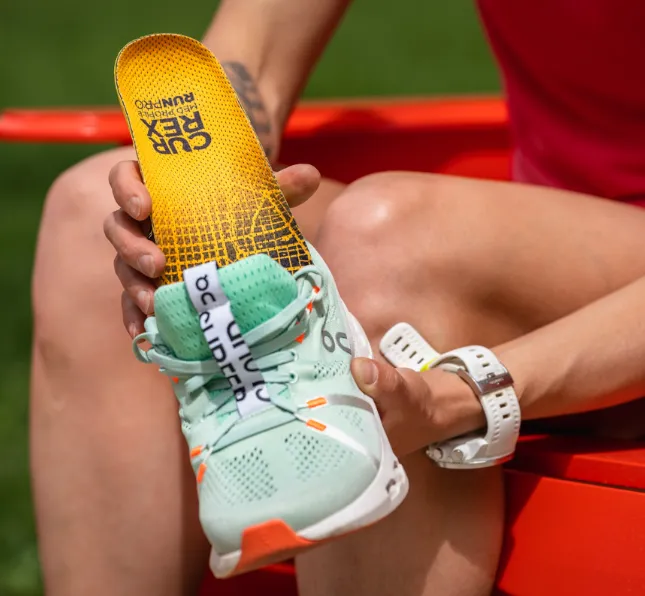
Running has evolved from our natural barefoot days on uneven terrain to pounding the pavement on hard surfaces. Unfortunately, this modern-day change isn’t exactly ideal for our feet, which can become stressed and fatigued from the continuous impact. To address this, running insoles are designed to provide relief, support, and comfort, ensuring that every step we take is well-cushioned and correctly aligned.
But with so many options available, how do you know which insoles are right for you? And do you even need them in the first place? Let’s dive into the world of running insoles to help you choose the best ones for your feet.
Do You Need Running Insoles?
The need for running shoe inserts largely depends on how your body feels during and after a run. If you’re experiencing pain in areas like your feet, shins, knees, or even your lower back, your body might be reacting to the way your feet land. Insoles can help alleviate this by providing targeted support and cushioning.
It’s also important to examine the wear on your running shoes. If your shoes are showing uneven wear, it may indicate that you’re either overpronating (foot rolling inward) or supinating (foot rolling outward). Both conditions are related to foot arch types—flat feet or low arches often lead to overpronation, while high arches may cause supination. Running insoles can help correct these issues and prevent injuries in the long run.
What Foot Conditions Can Running Insoles Help With?
In addition to providing general support, running insoles can help with specific foot conditions. If you’re already experiencing pain, insoles may help relieve some discomfort, and they can also prevent future injuries or problems from developing. It’s always a good idea to consult with a doctor if you’re dealing with a serious condition, but here are some common issues running insoles can help address:
1. Pain Relief
- Plantar Fasciitis: Inflammation of the plantar fascia, a thick band of tissue running along the bottom of your foot, is a common source of heel pain.
- Achilles Tendinitis: This occurs when the Achilles tendon becomes inflamed, often from overuse or a sudden increase in activity.
- Shin Splints: Pain along the shin bone that commonly affects runners who have recently increased their distance or intensity.
- Runner’s Knee: This condition causes pain around the kneecap and is often caused by muscle imbalances or overuse.
- Stress Fractures: Tiny cracks in bones, often caused by repetitive stress, especially in the feet and shins.
- Iliotibial Band Syndrome (ITBS): Discomfort on the outer part of the knee caused by irritation of the iliotibial band.
- Ankle Sprains: Occur when the ankle is twisted or turned in an unusual way, stretching or tearing ligaments.
- Structural Misalignment: When the body’s alignment is off, it can cause pain not only in the feet but also in the knees, hips, back, and even the neck.
2. Support for Specific Foot Types
- Overpronation: This occurs when the foot rolls inward too much while running, which can lead to injuries.
- Flat Feet: A condition where the arch of the foot is collapsed, causing misalignment that affects other parts of the body.
- Supination: When the foot rolls outward during running, often seen in individuals with high arches.
How to Choose the Right Running Insoles
When selecting insoles, it’s important to consider your individual needs and foot type. Here are the key factors to keep in mind:
Support vs. Cushioning
- Orthotic Insoles (Support Insoles): These are designed with a rigid or semi-rigid structure to provide targeted support to the arch and heel. Orthotics are perfect for individuals who need to correct foot issues like overpronation, supination, or plantar fasciitis. The rigid arch support helps to maintain the foot’s natural shape and promotes proper alignment, reducing the risk of injury.
- Cushioned Insoles: These insoles prioritize comfort by providing padding and soft cushioning. They’re ideal for alleviating foot fatigue but may not offer as much corrective support as orthotics. If your main issue is general comfort or shin splints, cushioned insoles are the better option.
Arch Support Level
The level of arch support you need depends on your arch type:
- Low Arch (Flat Feet): Insoles with strong arch support are ideal for preventing overpronation and supporting the natural curve of the foot.
- Medium Arch: If you have a neutral arch, a moderate level of support is often sufficient, providing a balance between flexibility and support.
- High Arch: Runners with high arches will need insoles with strong, rigid support to distribute pressure more evenly across the foot.
Insole Volume
Insole volume refers to how much space the insole occupies inside your shoe. Different volumes work better for different types of shoes and foot shapes:
- High-Volume Insoles: Best for shoes with more room inside. They are ideal for individuals with high arches or supination.
- Medium-Volume Insoles: Versatile and suitable for a wide range of shoes and foot types.
- Low-Volume Insoles: Designed for low-profile or tight-fitting shoes, they work best for individuals with low arches.
Top Running Insoles to Consider
Here are a few running insoles known for their performance and comfort:
- CURREX RunPro Insoles: These insoles offer deep heel cups, dynamic arch support, and high-rebound cushioning. Available in different profiles (low, medium, high), they are designed to reduce stress on joints and help with foot alignment.
- Aetrex Speed Insoles: Featuring lightweight cushioning and performance-based energy return, these insoles are great for aligning your body and alleviating conditions like plantar fasciitis and arch pain.
- Superfeet Run Cushion Inserts: Known for their comfort, these insoles feature Adaptive Comfort Technology and a soft, impact-absorbing foam layer. They are perfect for marathons or long-distance runners dealing with foot fatigue.
- Sole Active Insoles: Ideal for runners dealing with plantar fasciitis, these insoles reduce strain on the plantar fascia and can be customized by molding them to your foot for a personalized fit.
Conclusion
Choosing the right running insoles is essential for comfort, injury prevention, and foot health. Whether you’re dealing with pain, fatigue, or specific foot issues, insoles can provide the extra support and cushioning your feet need. By considering factors like arch support, cushioning, and insole volume, you can select the perfect insoles to suit your running style and ensure your feet stay happy and healthy on every run.