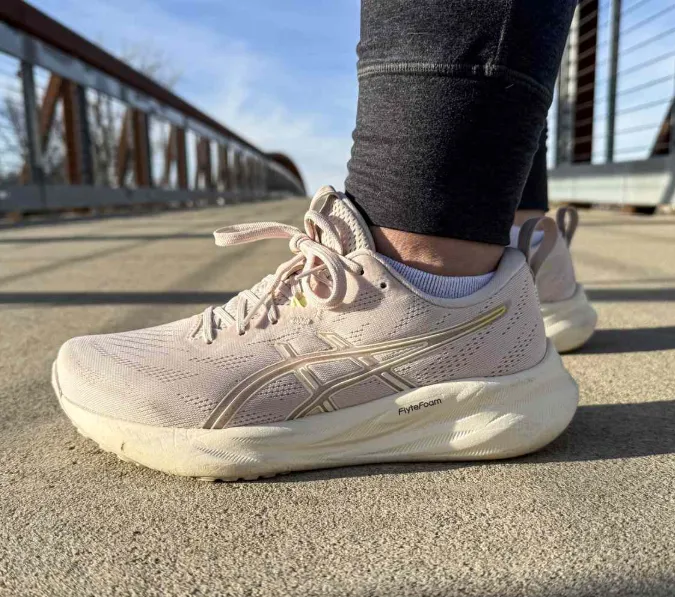
Walking is an easy and enjoyable activity that benefits both your body and mind. Whether you’re looking to lose weight, lower blood pressure, or boost your mood, walking is an effective solution. A mile of walking can burn roughly 100 calories, and the gentle movement strengthens your heart, lungs, and joints. Moreover, walking helps reduce stress and anxiety by releasing endorphins, which are natural mood boosters.
However, if you’re planning to walk regularly, you might be wondering: Do you need special walking shoes? Can you just use running shoes? How do you choose the right shoes? In this article, we’ll explore the important factors to consider when picking the perfect walking shoes, focusing on biomechanics and comfort.
Why the Right Walking Shoes Matter
Biomechanics is the study of how the human body moves and how internal and external forces affect our muscles, joints, and bones. When you walk, every part of your body is involved in the process. If your shoes don’t provide the necessary support, your walking mechanics can be disrupted, leading to discomfort or even injury over time.
For example, shoes that lack proper arch and heel support can cause your body to compensate in unusual ways. This can lead to pain in areas such as your heels, knees, hips, and lower back. The right walking shoes offer the support your body needs to move naturally, minimizing the risk of injury.
Key Features of Good Walking Shoes
Selecting the right walking shoes is crucial for comfort and injury prevention. Here’s what to look for when choosing the best pair for your walks.
Cushioning: Soft or Firm?
The type of cushioning in your walking shoes is an essential consideration. Good cushioning reduces the impact on your feet and joints. While many walkers opt for running shoes, specialty walking shoes are available and often lighter and more streamlined.
- Soft Cushioning: Soft midsoles absorb shock effectively, providing a comfortable, plush feeling. However, soft cushioning can sometimes lead to instability, especially if you’re walking on uneven terrain.
- Firm Cushioning: Shoes with firmer midsoles offer greater stability and control, especially for walkers who need extra support or are prone to overpronation. They provide more control over your stride and are better for those who walk long distances or on hard surfaces.
Stack Height: High or Minimal?
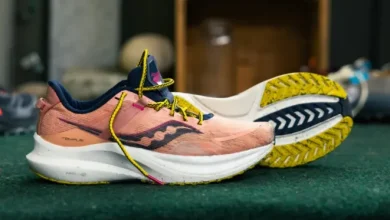
“Stack height” refers to the thickness of the shoe’s sole, which influences the level of cushioning.
- High Stack: Shoes with high stack heights offer a lot of cushioning and protection, making them ideal for walkers on hard surfaces. These shoes reduce ground feel, making them a good choice for those seeking more comfort.
- Minimal Stack: Shoes with a minimal stack height offer more direct contact with the ground, allowing for better natural foot movement. They are lighter and more flexible but provide less shock absorption, which may not be suitable for everyone.
Stability: Neutral vs. Stability Shoes
Your foot’s motion, known as pronation, plays a key role in choosing the right walking shoes. Some people overpronate, while others have a neutral stride.
- Neutral Shoes: These are designed for those with a neutral gait. They provide a natural range of motion without correcting any foot movement.
- Stability Shoes: These shoes are ideal for walkers who tend to overpronate. They include additional support features like firmer midsoles or medial posts that help stabilize the foot and prevent excessive inward rolling.
Heel Drop: High or Low?
Heel drop refers to the difference in height between the heel and toe of the shoe.
- Higher Heel Drop (10-12mm): This type of shoe is best for people with tight calves or limited ankle mobility. The higher drop helps reduce strain on the calves and shifts the workload to the knees and hips.
- Lower Heel Drop (0-6mm): A lower drop creates a more level platform, which is ideal for those looking for a more natural walking experience. It also helps reduce knee pain and encourages a more upright posture.
Sole Design: Rocker vs. Traditional
The sole design affects how your foot moves from heel strike to toe-off.
- Rocker Sole: Rocker soles feature a curved design that helps propel you forward. This reduces the effort required from your calves and is particularly beneficial for people with conditions like plantar fasciitis or Achilles tendonitis.
- Traditional Sole: Traditional soles offer a flatter, more flexible design. These shoes require more muscle engagement from the calves and shins but provide better control and a more grounded feel.
Terrain Considerations
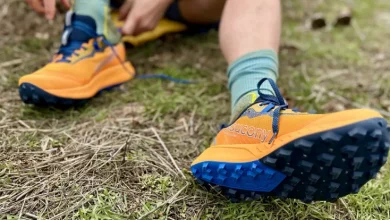
Your walking environment also influences your shoe choice. If you’re walking on trails or uneven surfaces, look for shoes with greater traction and stability. Trail walking shoes often feature more durable soles with specific tread patterns designed to handle rough terrain.
Running Shoes vs. Walking Shoes
Although running shoes can be used for walking, they’re not always the best choice. Running and walking involve different mechanics: running generates more impact and force, as both feet are off the ground at different points, while walking always keeps one foot on the ground at a time. This results in less shock and a smoother motion for walkers.
Walking shoes tend to have:
- Less Cushioning: Since walkers don’t experience the same high-impact strikes as runners, walking shoes usually have less cushioning, allowing for a more natural stride.
- Flatter Soles: Walking shoes often feature flatter soles to provide better stability during each step.
- More Flexibility: Walking shoes are designed to bend with your foot’s natural motion, making them more comfortable for long walks.
Tips for a Perfect Fit
To ensure your walking shoes fit well and are comfortable, follow these tips:
- Shop Later in the Day: Your feet tend to swell as the day goes on. By shopping later, you’ll get a more accurate sense of how the shoes will fit during your walks.
- Wear the Right Socks: Choose socks made from synthetic fibers or blends, as these wick moisture away from your feet. Avoid cotton socks, which can cause blisters.
- Test for Flexibility: A good walking shoe should bend easily where your foot naturally flexes, ensuring comfortable movement.
- Opt for Low Heels: Look for shoes with a lower heel to maintain a smooth heel-to-toe stride.
- Allow for Wiggle Room: Ensure there’s at least a finger’s width of space between your longest toe and the front of the shoe.
- Try Them Out: Walk around the store to check for comfort and fit. Make sure there’s no pinching or rubbing.
Conclusion
Choosing the right walking shoes is crucial to ensuring comfort, performance, and injury prevention during your walks. By considering factors like cushioning, stack height, stability, and terrain, you can select shoes that support your body’s natural biomechanics. Whether you’re walking on paved roads, trails, or tracks, finding the perfect fit will make each step easier and more enjoyable.