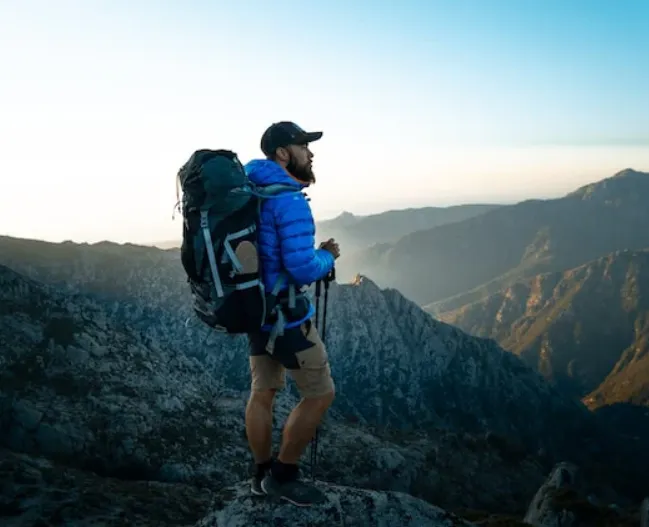
Selecting the right hiking daypack is crucial for any outdoor adventure. A well-chosen pack ensures comfort, convenience, and functionality, making your hike much more enjoyable. Whether you’re a seasoned hiker or just starting out, understanding what to look for in a daypack will help you find one that perfectly suits your needs. Here’s a guide to help you choose the ideal daypack for your next hiking trip.
What is a Hiking Daypack?
A hiking daypack is a small backpack designed for short day trips. Unlike regular backpacks, which are made for daily use, hiking daypacks are specifically designed for outdoor conditions, offering comfort and durability for longer hours on the trail.
Hiking daypacks typically range from 15 to 35 liters in capacity. These packs are used for single-day hikes, short overnight trips, or travel. While a school backpack may suffice for everyday use, it won’t offer the support and features necessary for a comfortable and safe hiking experience.
Key Considerations When Choosing a Hiking Daypack
When selecting the right daypack, keep the following factors in mind:
1. Capacity
The size of your daypack depends on how much gear you plan to carry.
- Small Daypacks (15-20 liters): Best for short hikes with minimal gear, such as food, water, and a basic first aid kit.
- Medium Daypacks (21-30 liters): Suitable for most day hikes, with enough room for the 10 essentials of hiking.
- Large Daypacks (31-35 liters): Ideal for longer hikes or one-night trips, providing ample space for additional gear, layers, and winter equipment.
Consider the length of your hikes and whether you expect to carry extra items like jackets or camera equipment when choosing the size.
2. Fit and Comfort
A comfortable fit is essential for an enjoyable hiking experience. Look for packs with adjustable shoulder straps, a hip belt, and a sternum strap. These features help distribute the weight evenly and prevent discomfort on the trail.
Ensure the pack fits your body type and height. Some backpacks are designed for specific body shapes, so it’s worth getting fitted to find the most comfortable option. Additionally, consider packs with padded straps and good ventilation to reduce sweating and enhance comfort.
3. Weight
Weight is a major factor, especially for those looking to minimize the load during their hikes. Ultralight packs are made with lightweight materials and weigh less, but may sacrifice some features. Heavier backpacks often come with more robust features but can be less comfortable over long distances.
If you’re aiming for a lightweight setup, consider an ultralight daypack. However, keep in mind that the trade-off might be fewer organizational options or less durable materials.
4. Frame Type
Hiking daypacks generally come with either a frameless design or an internal frame. Frameless packs are lighter and offer more flexibility but lack support for carrying heavier loads. Internal frames provide more structure and support, making them better for longer hikes or heavier loads. They also tend to offer better ventilation for your back.
If possible, try both types in-store to determine which offers the best comfort and support for your needs.
5. Hydration Compatibility
Staying hydrated is essential while hiking, and many daypacks come with hydration reservoir sleeves. These allow you to carry a water bladder (1 to 3 liters), making it easy to drink without stopping. Most daypacks also feature side pockets that can hold water bottles for easy access.
Consider how you prefer to hydrate on the trail when choosing between a water bladder or bottle holders.
6. Material and Durability
The material of your daypack will determine its durability. Most daypacks are made from nylon, polyester, or ripstop fabrics. These materials are lightweight yet strong enough to withstand the rigors of outdoor use.
Look for a pack that is water-resistant or waterproof to protect your gear in rainy conditions. Be sure to check the weight of the pack as well; lighter materials are convenient but may not be as durable over time.
7. Pockets and Organization
Organization is key for keeping your gear accessible and easy to find. Most daypacks have a large main compartment for bulkier items, along with smaller pockets for organizing smaller items like snacks, a map, or your phone. Many packs feature a hip belt with additional pockets, as well as mesh side pockets for water bottles.
Consider how many pockets you’ll need and whether you prefer a minimalist or more organized setup.
8. Special Features
Some daypacks come with special features to enhance their functionality. These may include:
- Trekking pole attachments for carrying poles hands-free.
- Rain covers to protect your pack in wet conditions.
- Compression straps to secure your gear and reduce bulk.
- Load lifters to improve comfort by lifting the pack off your shoulders.
- Built-in whistles for emergency situations.
Choose a daypack with features that align with your hiking style and specific needs.
Choosing the Right Daypack for Your Hiking Style
Different types of hikers will benefit from different daypacks:
- Beginner Hikers: A small to medium-sized daypack with adjustable straps, an internal frame, and a good amount of space is ideal. This type of pack will give you the features you need to start with, without being too heavy.
- Ultralight Hikers: Opt for an ultralight backpack, but be prepared to minimize your gear. These packs are designed for speed and efficiency on the trail, but require careful packing.
- Winter Hikers: If you hike in colder conditions, a larger daypack will allow you to carry extra layers, thermal gear, and winter essentials.
- Traveling Hikers: Specialized travel daypacks are great for those combining hiking with travel. These packs are designed to be versatile and comfortable for both city and trail use.
Common Mistakes to Avoid
When choosing a daypack, avoid these common mistakes:
- Choosing the wrong size: If the pack is too small, you won’t be able to carry everything you need. If it’s too big, it will be unnecessarily heavy.
- Ignoring fit and comfort: Make sure your pack fits well and is comfortable to wear for extended periods.
- Skipping waterproofing features: Ensure your pack is either waterproof or water-resistant to protect your gear in rainy conditions.
- Neglecting weight distribution: An unbalanced pack can lead to discomfort and fatigue, so choose one that distributes weight evenly.
How to Test a Daypack Before Buying
Before committing to a daypack, try it on in-store. Load it with some gear to get a sense of how it feels when fully packed. Adjust the straps to ensure it fits comfortably and aligns with your body. Pay attention to pressure points and make sure the pack doesn’t cause any discomfort on your shoulders, back, or hips.
Final Thoughts
Selecting the best hiking daypack depends on your personal needs and hiking style. By considering factors like capacity, fit, comfort, weight, and material, you can find a daypack that makes your hiking experience more enjoyable. Whether you’re a beginner or an experienced hiker, taking the time to find the right pack will help you feel more comfortable and prepared on the trail.