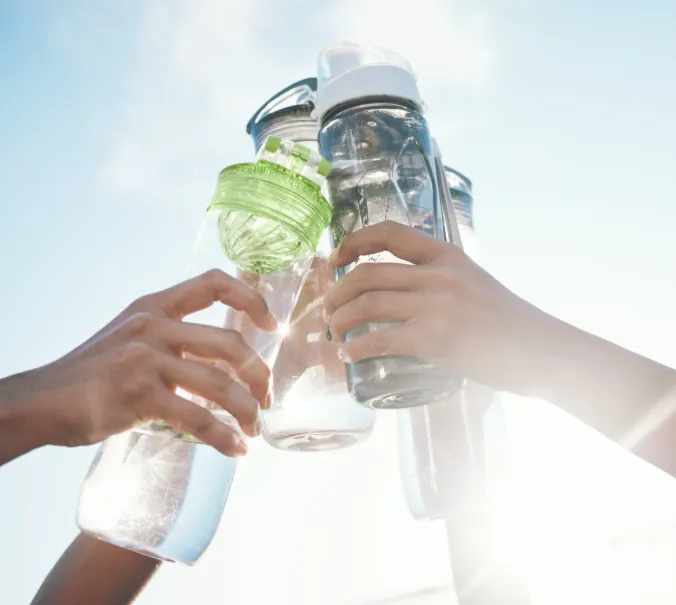
Staying hydrated is essential for overall health, but it’s not just about drinking water. Proper hydration involves replacing both fluids and electrolytes (the minerals dissolved in your body’s fluids). This is crucial for maintaining energy, mental clarity, and muscle function, especially after intense physical activity or during times of illness. In this post, we’ll explore the best ways to hydrate quickly and safely, going beyond just water to ensure your body is properly rehydrated and functioning optimally.
Understanding Dehydration: When to Act
Dehydration can creep up on you, and it doesn’t take much to cause significant issues. Fluid losses through sweating, breathing, and daily activities can deplete your body’s reserves. A fluid deficit of just 1-2% of your body weight can affect your strength, endurance, and even cognitive function. Initially, you might notice dry mouth, fatigue, or a mild headache—common signs you’re already becoming dehydrated. Left unchecked, further fluid loss can put more strain on your cardiovascular system, leading to increased heart rate and difficulty in circulation. In extreme cases, it can cause electrolyte imbalances that disrupt nerve signaling and muscle contractions.
The Role of Electrolytes in Hydration
Electrolytes—sodium, potassium, magnesium, and chloride—are vital for the body’s hydration process. They help create osmotic gradients, which draw water into your cells and bloodstream. Each electrolyte plays a specific role:
- Sodium: Helps retain fluid in the bloodstream and supports nerve function.
- Potassium: Essential for regulating muscle contractions and cellular hydration.
- Magnesium: Facilitates energy production and muscle relaxation.
- Chloride: Works alongside sodium to maintain fluid balance and regulate electrical charges across cell membranes.
When you rehydrate, it’s important to restore these electrolytes along with the fluid to help your body absorb water efficiently and recover faster.
Best Ways to Rehydrate Quickly
The fastest and most effective way to rehydrate involves a combined approach: using oral rehydration solutions (ORS), consuming water-rich foods, choosing the right electrolyte beverages, and timing your fluid intake based on activity levels.
1. Oral Rehydration Solution (ORS)
A simple ORS can be highly effective in restoring hydration quickly. The traditional formula is ½ teaspoon of salt and 6 teaspoons of sugar per liter of water. This solution aids in water absorption in the gut, making it a great choice after significant fluid loss from exercise or illness.
2. Water-Rich Foods
Eating fruits and vegetables with high water content, such as watermelon, cucumbers, and oranges, can help hydrate your body naturally. Pair these with foods that are rich in electrolytes—such as yogurt, nuts, and seeds—to replenish essential minerals and aid in recovery.
3. Choose the Right Electrolyte Beverages
Look for drinks with around 300–600 mg of sodium and 75–225 mg of potassium per liter, and make sure they have minimal added sugars (ideally ≤6g/100mL). These beverages are formulated to match the body’s plasma levels, allowing for faster absorption without causing stomach discomfort.
4. Align Hydration with Activity Levels
To ensure effective hydration, drink around 0.08–0.16 fl oz per pound of body weight (5–10 mL/kg) two hours before exercise. During physical activity, take small sips (5–7 fl oz every 15–20 minutes) to replace fluids and prevent dehydration.
Hydration Strategies for Specific Scenarios
After Exercise or Heat Exposure
When exercising in hot or humid conditions, it’s easy to lose more than a liter of fluid per hour. To rehydrate, drink approximately 0.08–0.16 fl oz per pound of body weight two hours before starting and continue sipping 5–7 fl oz every 15–20 minutes during activity. Choose beverages with added sodium to replace sweat losses and support muscle recovery.
During Illness or Fever
Fever, vomiting, and diarrhea can accelerate fluid loss, especially in children and the elderly. To maintain hydration, use an ORS solution and take small sips (5–7 fl oz every 10–15 minutes). Broths and herbal teas can also be beneficial, providing warmth and essential minerals. If dehydration signs worsen (such as dry mouth, sunken eyes, or lethargy), seek medical help.
After Alcohol Consumption
Alcohol is a diuretic, meaning it increases urine output, leading to fluid loss. After drinking, alternate between water or ORS and alcoholic beverages. Eating a snack with potassium and magnesium, like a banana or yogurt, can help restore electrolytes. The next morning, continue hydrating with water or a low-sugar electrolyte drink to replenish lost minerals.
When to Seek Medical Help for Dehydration
If dehydration becomes severe, symptoms such as confusion, rapid heartbeat, faintness, or little to no urine output require immediate attention. In these cases, move to a shaded area, elevate the person’s legs, and administer small sips of ORS or diluted sports drinks. If symptoms persist, seek emergency medical care, as intravenous fluids may be necessary.
Myths About Hydration: What to Know
Myth 1: The 8×8 Rule Is the Best Guide
While the 8×8 guideline (eight 8-ounce glasses of water daily) is simple, it doesn’t consider individual factors like body size, activity level, or climate. Fluid needs vary, and up to 30% of your daily fluid intake comes from foods and beverages other than water. Instead of following a fixed amount, pay attention to your body’s signals like thirst, urine color, and how you feel physically.
Myth 2: Caffeine Dehydrates You
Although caffeine has mild diuretic effects, beverages like coffee and tea still contribute to your overall hydration. Consuming them in moderation won’t cause significant fluid loss, so don’t worry about your morning coffee.
Myth 3: Chugging Water Is the Best Method
Drinking large quantities of water at once can overwhelm your digestive system and dilute electrolytes, leading to discomfort. It’s better to sip water throughout the day and adjust your intake according to activity levels.
Maintaining Hydration Daily
To keep your hydration levels optimal, make it a habit to regularly check in with your body. Assess thirst, urine color, and overall energy levels throughout the day. Add flavor to your water with fruits or herbs to encourage regular drinking, and keep electrolyte packets or drinks on hand for convenience. Tracking your hydration with apps or simple reminders can help you stay consistent with fluid intake.
Conclusion: Hydrating Safely and Effectively
Rehydrating isn’t just about drinking water—it’s about restoring the fluids and electrolytes your body needs to function properly. By using oral rehydration solutions, eating water-rich foods, and choosing the right beverages, you can hydrate quickly and safely. Pay attention to your body’s cues, and adjust your hydration strategies to match your lifestyle and needs. With the right approach, you’ll stay energized, focused, and healthy throughout the day.