As a coach, one of the most frustrating things to witness is a lackluster warm-up. I’ve seen it all over my 15 years of coaching: players chatting away instead of focusing, rushing through movements with little effort, and ultimately setting themselves up for a sluggish practice. This season, I’m changing that approach. I’ve realized that in order to get the most out of warm-ups, I need to give my athletes both structure and ownership. This means implementing a dynamic, movement-focused warm-up and allowing my players to take the lead.
Why Warm-Ups Are So Important
As a coach, my number one priority is keeping my athletes healthy. A proper warm-up is key to injury prevention, improving mobility, and activating the muscles that will be used during practice or a game. Without an adequate warm-up, players risk muscle tightness, slower reactions, and increased chances of strains or sprains.
In addition to injury prevention, warm-ups should also include basic skills and drills specific to the sport. For field hockey, this means focusing on passing, receiving, and elimination moves—fundamental skills that show up every game. A strong warm-up sets the tone for the rest of the practice and is an essential part of building a successful game strategy.
Our Warm-Up Plan for the Season
Our warm-up is split into three phases, each targeting a different aspect of physical readiness. I always tell my players that the way they warm up reflects how seriously they take the details. If you can commit to executing the basics correctly, it will show in your overall performance.
- General Warm-Up (3-5 Minutes)
The aim here is simple: raise the heart rate and get blood flowing throughout the body. We use a set distance instead of timing to keep everyone accountable.
Examples of exercises we do:
- Light jogging
- High knees
- Jumping jacks or skaters
- Butt kicks
- Quick feet (10 reps, turn, repeat)
- Grapevine
- Hamstring and quad stretches
- Arm circles and shoulder rolls
- Calf stretches and other targeted stretches
- Dynamic Stretching & Mobility (5 Minutes)
Dynamic stretching helps increase flexibility without reducing power. Unlike static stretches, which involve holding a position, dynamic stretches keep the body moving.
Key dynamic stretches include:
- Leg swings (front-to-back, side-to-side) to loosen up the hip flexors and hamstrings
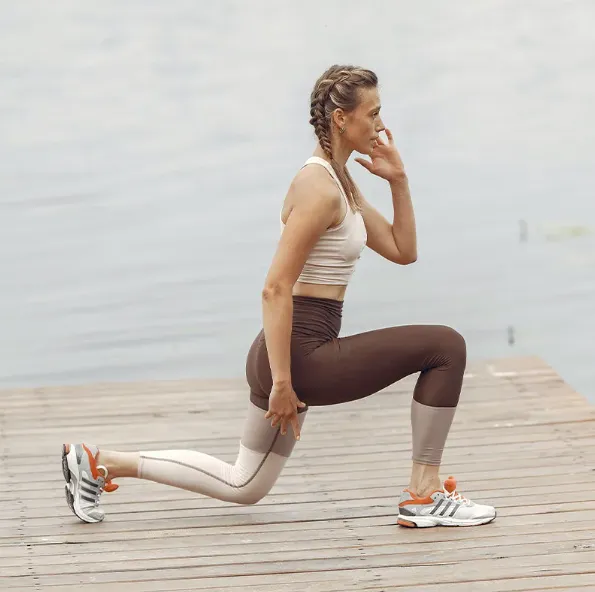
- Walking lunges with rotation to engage the quads, glutes, and core
- Inchworms to push-ups for shoulder, core, and hamstring activation
- Arm swings and torso twists to open up the shoulders and spine
- Lateral lunges to improve groin and thigh mobility
- Sport-Specific Drills (3-5 Minutes)
Once the body is warm and loose, we move into sport-specific drills to simulate game conditions. This phase is where we focus on refining the skills that translate directly to in-game performance.
Some examples:
- Basketball: Defensive slides, quick dribble drills, light layup reps
- Soccer: Short passing drills, footwork ladders, light dribbling
- Football: High knees with resistance bands, acceleration sprints, quick cuts
- Baseball/Softball: Light throwing and catching, rotational torso twists, short sprints
- Field Hockey: Passing and receiving drills, elimination moves
Bonus: Cooling Down (When Time Allows)
Although we don’t always have time for a formal cooldown at practice, I encourage players to take a few minutes on their own. A good cooldown can include:
- Light jogging or walking to lower the heart rate gradually
- Static stretching (hold stretches for 20-30 seconds)
- Deep breathing exercises, like box breathing, to aid both physical recovery and mental reset
Wrapping Up
Every coach has their own approach to warm-ups, but the end goal is always the same: to keep athletes healthy and performing at their best. By introducing a structured, focused warm-up routine, we’re setting up our players for success and helping them stay on the field longer. After all, isn’t that what we all want?