How to Master Ultralight Hiking: Essential Tips for Minimalist Trekkers

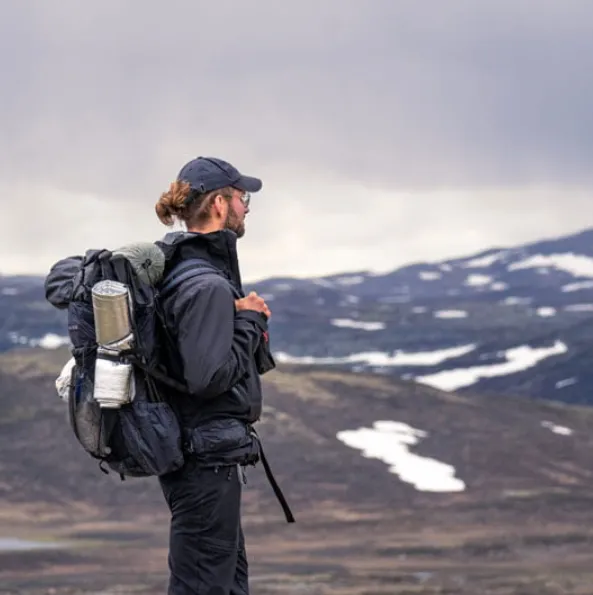
If you’ve ever wondered about ultralight hiking, you’re in the right place. This minimalist approach to hiking is all about carrying only what you truly need, leaving behind the unnecessary bulk. The idea is simple: less weight means more energy, fewer injuries, and the ability to hike longer distances. However, ultralight hiking isn’t for everyone—especially if you value comfort over weight savings. If you’re interested in giving it a try, here’s a comprehensive guide on how to pack light while still being prepared for the trail.
What to Wear as an Ultralight Hiker
When it comes to clothing, the goal is to minimize weight without sacrificing functionality. For both men and women, spandex is a popular choice. Whether it’s running shorts or tights for colder weather, spandex is lightweight and fits close to the body, reducing drag and increasing mobility. If spandex isn’t your style, opt for baggier running shorts paired with tights for colder temperatures.
For your top, go for a compression shirt or a technical fabric like merino wool, which is lightweight and wicks away moisture. A fleece or wool jacket is a great option for warmth during cooler hikes.
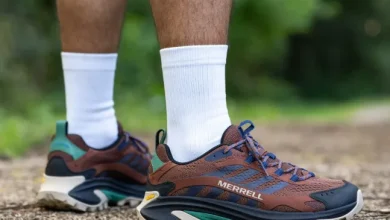
Hiking socks should be thin and moisture-wicking. Lightweight shoes, like trail runners, are ideal. They provide comfort and support without the added weight of bulky boots. Since these shoes aren’t typically water-resistant, plan to dry them out each night if you’re camping.
A lightweight beanie and gloves are also worth packing for colder weather, as they can help keep your extremities warm without taking up much space in your pack.
Packing for an Ultralight Hiking Trip
The essence of ultralight hiking lies in carrying only the essentials. Your backpack is the cornerstone of your setup, and it should be as light as possible while still fitting everything you need. Start by choosing a compact pack (under 12 liters if possible) and avoid backpacks with too many extra pockets or compartments, which only add unnecessary weight.
When it comes to gear, focus on multi-purpose items that will serve several functions. For instance, a simple emergency rain poncho is not only good for bad weather, but it can also double as a shelter if needed. Pair it with a set of trekking poles and paracord to create a makeshift tent.
For sleep, a lightweight puffy sleeping bag or quilt will keep you warm without the bulk of traditional sleeping bags. Add a pair of tights and a long-sleeve compression shirt for extra warmth at night.
Food should be compact and high-energy. Dehydrated meals, trail bars, nuts, and dried fruit are excellent choices for ultralight hikers. These items provide the calories you need to keep moving without weighing you down.
Water is typically the heaviest item in your pack, but you can minimize the weight by carrying a small water filter. If you’re hiking in areas with water sources, you can filter as needed instead of carrying extra bottles.
For basic first-aid needs, a small Ziploc bag with Band-Aids, pain relievers, and any necessary medications is all you need. A small compass, phone apps, a battery pack, and a pocket knife are also essential, but keep them lightweight.
Additional Ultralight Hiking Tips
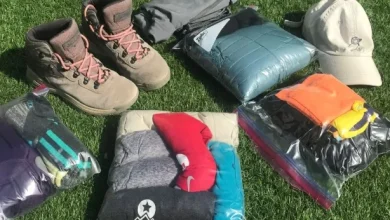
When preparing for ultralight hiking, always prioritize weight and size. Every ounce counts, so be strategic with what you pack. Consider carrying just one outfit that you wear throughout your hike. It may get smelly, but at least it saves space and weight.
For things you don’t need a lot of, pack only what you’ll realistically use. For example, instead of bringing a full roll of duct tape, wrap a few strands around your trekking poles. Take only a handful of Band-Aids rather than the entire box.
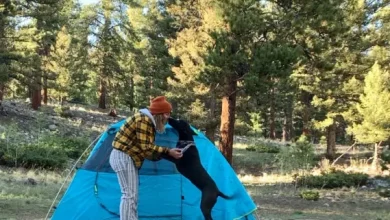
Leave No Trace principles are especially important in ultralight hiking. Carry an extra Ziploc bag for trash, and if needed, pack out your used toilet paper or other waste. A small tarp can serve as a shelter in place of a heavy tent, or you could even opt for a hammock to save weight.
Consider using lightweight camp footwear like flip-flops or Crocs instead of extra shoes. For extra comfort, use a stuff sack filled with clothes as a pillow instead of packing an actual pillow.
Smart water bottles are a great option for ultralight hikers as they weigh significantly less than traditional bottles. And before you head out, weigh your pack to see if you can cut any additional weight by leaving non-essential items behind.
Preparing Yourself for Ultralight Hiking
Before diving into ultralight hiking, it’s important to prepare yourself physically. Ultralight hiking can be demanding, and being in good shape will make the experience more enjoyable. Incorporate cardio, such as cycling or running, into your routine to strengthen your legs and improve stamina. Weight training will also help you build the muscle needed for carrying your pack comfortably.
Additionally, maintain a healthy diet to fuel your body during long hikes. Proper nutrition is key to performing well and preventing fatigue on the trail.
Lastly, it’s always a good idea to consult with a healthcare provider before making any significant changes to your hiking regimen, especially if you’re new to ultralight hiking.
Conclusion
Ultralight hiking offers a minimalist, efficient way to explore the great outdoors. By focusing on essential gear, reducing weight, and choosing multi-purpose items, you can make your long hikes more enjoyable and less physically taxing. With the right preparation, ultralight hiking can help you cover more ground and enjoy the beauty of nature without the burden of heavy gear.