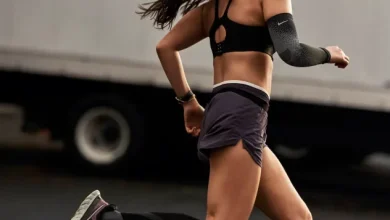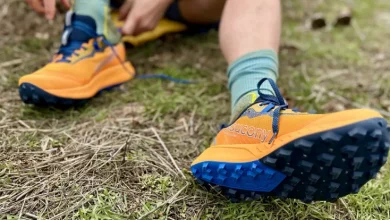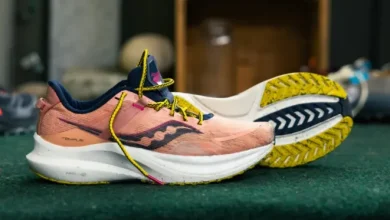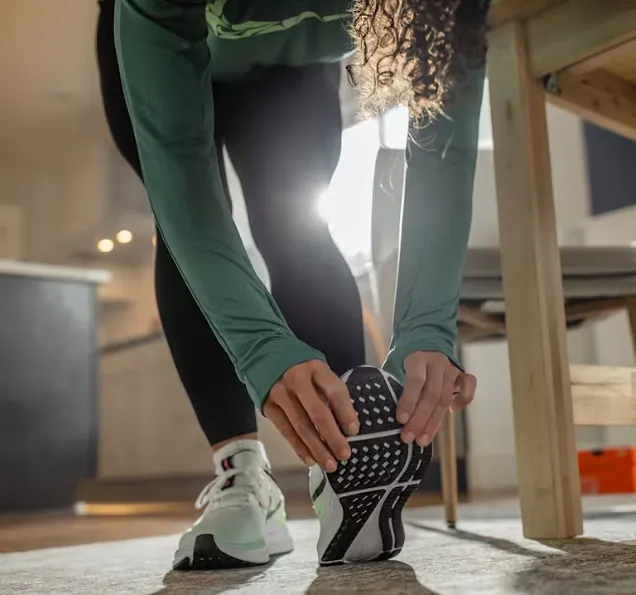
When you buy a new pair of running shoes, it’s rare that they’ll feel perfect after just a few steps around the block. In fact, many runners will find that their shoes need some time to properly adjust to their feet. Typically, it can take anywhere from 2 to 3 weeks of use before your shoes feel truly comfortable. During this period, it’s crucial to avoid any issues like blisters or foot pain, which can negatively affect your performance. In this guide, we’ll walk you through the best strategies to break in your new running shoes and ensure maximum comfort on every run.
Is the Issue Your Shoes or Just the Break-In Period?
One common mistake when buying running shoes is not ensuring a proper fit. Especially for beginners, it’s easy to feel overwhelmed with all the factors that influence fit, including pronation type, arch height, and running style. Thankfully, shopping at a physical store where you can try on shoes and get expert advice from knowledgeable staff makes this process easier. Some stores even offer technology to analyze your stride and foot type, giving you a clearer idea of which shoes will work best for you.
However, even with careful selection, you might still end up with shoes that don’t feel quite right. So, how can you tell if your shoes are just in need of breaking in, or if you’ve got the wrong size altogether?
First, it’s essential to understand that new shoes should feel snug, not tight. If they’re too tight or too loose, they’re likely the wrong size.
Here are a few signs your shoes might be the wrong size:
- Toe Squishing: If your toes feel cramped or you have to curl them to get comfortable, your shoes are likely too small.
- Excessive Tightening: If you’re pulling the laces extremely tight to feel secure, the shoes may not fit correctly.
- Foot Movement: If your feet slide around inside the shoes, they may be too big.
- Pain and Discomfort: Persistent pain, blisters, or aching after multiple uses is a clear sign that the shoes might not be the right size for you.
To prevent getting the wrong size, follow these tips:
- Measure both feet, as one is often larger than the other.
- Do it in the afternoon when your feet have naturally expanded.
- Try shoes with the type of socks you’ll be wearing while running.
- Take your pronation, arch height, and running style into account when choosing shoes.
How Long Does It Take to Break In Running Shoes?
On average, it takes about 2-3 weeks for new running shoes to mold to the shape of your feet. This period allows the materials to adjust, and you’ll also get used to the shoes’ unique features. Several factors can influence how quickly this process happens:
- Material: Synthetic shoes tend to break in faster than leather. Materials like mesh and knit fabrics adjust quickly, while leather can take longer.
- Sole Type: Softer foams, like EVA, generally adapt faster than firmer rubber soles.
- Cushioning: Shoes with heavy cushioning may take a bit longer to settle, as the padding needs to conform to your foot.
- Support Features: Shoes with added stability features may take more time to soften and become flexible.
- Frequency of Use: Wearing the shoes more often speeds up the break-in process. However, avoid overdoing it early on to prevent discomfort or injury.
Tips to Speed Up the Break-In Process
Start at Home
Before taking your new shoes for a run, wear them around the house for 1-2 hours. This gives your feet a chance to adjust without putting the pressure of running on them right away. After a week of casual use indoors, you’ll be better able to gauge the fit and comfort. If you notice any blisters, slipping, or discomfort, it may be a sign that the shoes aren’t the right fit for you, and you should consider returning them.
Flex the Toe Box
The toe box is often the most rigid part of a new running shoe. To make it more flexible, gently bend the toe area up and down a few times with your hands. This will help soften the material and make the shoes more comfortable.
Try Short Walks First
Before going for a full run, take your new shoes on a 10-15 minute walk. This will help you identify any areas of discomfort without pushing your feet too hard. If they feel good after walking, try a short run—around 10-30 minutes. If you don’t experience any pain or discomfort, gradually increase your running time.
Rotate with Your Old Shoes
If possible, don’t wear your new shoes for all your runs right away. Instead, rotate them with your old, well-worn pair. This way, you’ll ease your feet into the new shoes without putting too much strain on them too soon.
Gradual Transition to Longer Runs
Once your new shoes start feeling more comfortable, start increasing the distance. Aim to run a few mid-length runs before committing to your usual distance. The more you use them, the better they’ll mold to your feet, but always listen to your body to avoid overdoing it.
Running Shoe Break-In Hacks
If you’re looking to speed up the break-in process, there are a couple of lifehacks you can try:
Use a Hairdryer for a Custom Fit
Heat can help soften stiff shoes. To use this method, put on a thick pair of socks, wear your shoes, and use a hairdryer to warm up the material. Heat each shoe for 5 minutes, then wear them for 10-20 minutes until they cool down. This will help the shoes mold to your foot shape more quickly.
Freeze Them for Extra Room
If your shoes feel too tight, try this simple trick: fill zip-lock bags with water, place them inside your shoes, and then put the shoes in the freezer overnight. The water will freeze and expand, stretching the material slightly. After removing them from the freezer, let the shoes sit with the bags inside for 10 minutes. Then, wear them around the house for a while to help the shoes adjust.
Conclusion
Breaking in new running shoes requires some patience, but with the right techniques, you can make the process smoother and more comfortable. By starting with short, low-pressure wear and gradually increasing your runs, you’ll help your shoes adjust while minimizing the risk of injury or discomfort. And remember, if the shoes continue to cause significant pain or blisters after a few weeks, it might be time to look for a better-fitting pair. Happy running!