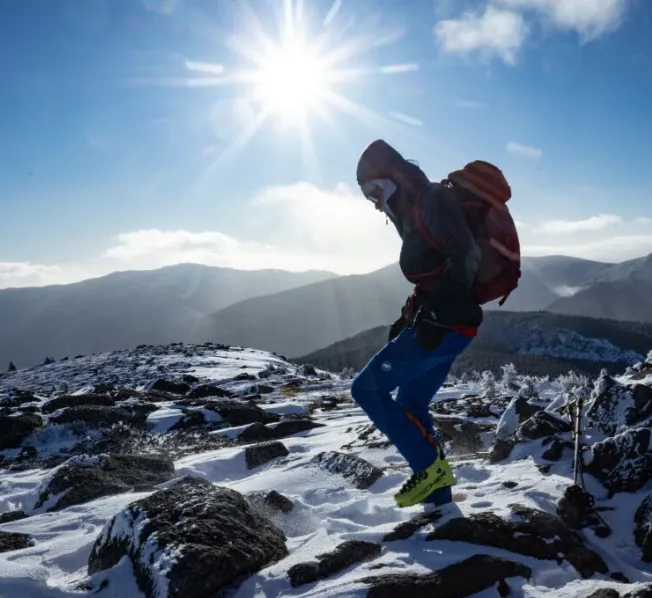
Have you ever considered hiking in freezing temperatures? While the idea might seem exhilarating, it’s important to approach it with caution, especially in extreme weather conditions. Recently, many areas have experienced dangerously cold temperatures, and hiking in wind-chill conditions as low as -20°F is not something I would recommend for most people.
However, hiking in cold weather can be an enjoyable and rewarding experience, provided you take the right precautions. Here’s how to stay safe and comfortable if you ever decide to venture out into the cold.
Layer Up for Protection
One of the most important strategies when hiking in cold temperatures is layering. Layering allows you to regulate your body temperature by adding or removing clothing as needed.
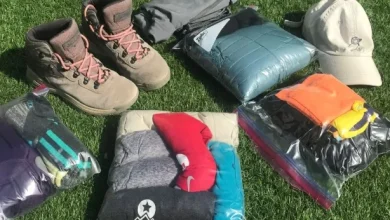
I start with a moisture-wicking base layer, such as a long-sleeved synthetic wool shirt and tights. On top of that, I wear insulated running tights for extra warmth. For the upper body, I layer a t-shirt, a hoodie, and a windproof or rain-resistant hiking jacket. I also wear tactical-style cargo pants designed for hiking.
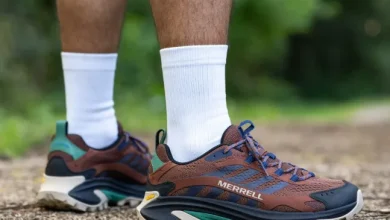
For my feet, I use synthetic wool hiking socks and add an extra layer of thicker alpaca wool socks for added warmth. I also opt for larger boots to accommodate insulated socks.
When it comes to gloves, I wear a thin liner under thick winter gloves for extra protection. A sock cap keeps my head and ears warm, and I often wrap a thick scarf around my neck and face to shield against the cold wind.
The goal is to stay warm and dry. If you start to get too warm, you can shed layers to help regulate your body temperature.
Stick to Short, Easy Trails
When the weather is extremely cold, it’s best to stick to short, easier trails. Avoid rugged or long-distance hikes in these conditions. While hiking in extreme cold can be an amazing experience, it’s important not to overdo it. You don’t want to risk getting injured or stranded, especially in harsh conditions.
Shorter trails reduce the risk of injury and make it easier to get back to safety if something goes wrong. Prolonged exposure to extreme cold can lead to frostbite, and in worst-case scenarios, it could be life-threatening. Keep the hikes short and within easy reach.
Safety First: Think Ahead
Before heading out, always think ahead. Being stranded in cold weather can quickly turn dangerous. If something happens—whether it’s an accident, getting lost, or an injury—help may be hard to get. Search and rescue operations in extreme conditions can be risky for everyone involved.
Make sure you’re familiar with the trail and the area. Stick to nearby, easily accessible trails, and always tell someone where you’ll be. If you get stuck or lost, it can take longer for rescuers to reach you in cold conditions, and the consequences can be serious.
If the conditions are too extreme, consider staying indoors and saving the hike for a better day. Your safety should always come first.
Final Thoughts
Hiking in cold weather can be incredibly rewarding if done safely. By dressing in layers, choosing short trails, and preparing for the worst, you can enjoy the beauty of nature without putting yourself in harm’s way. Always put safety first, and remember to consider the conditions before you set out on your next cold-weather adventure.