Starting a fitness routine is exciting, but there’s always the risk of injury if you’re not careful. Gym injuries are frustrating but entirely preventable with the right approach. Whether you’re new to the gym or a seasoned pro, these simple tips will help you avoid injuries and get the most out of your workouts.
1. Warm Up Properly
Think of your muscles like rubber bands: when they’re cold, they snap, but when they’re warm, they stretch. Warming up helps increase blood flow, loosen up your joints, and prepare your body for exercise. A good warm-up should last about 5 to 10 minutes and include light cardio and dynamic stretches.
Examples include:
- A brisk walk or light jog on the treadmill
- Jumping jacks
- Arm circles
- Leg swings
- High knees
2. Focus on Form
Proper technique is crucial for preventing injuries. When lifting weights or performing exercises, make sure your form is correct. If you’re unsure, ask a trainer for guidance or watch instructional videos. It’s better to lift lighter weights with good form than heavier weights with poor technique.
Examples of proper form:
- Keep your back straight and knees aligned during squats
- Maintain a neutral spine while deadlifting
- Perform bench presses with controlled movements
3. Avoid Ego Lifting
It’s tempting to lift heavier weights than you’re ready for, but doing so can lead to injury. Start with a weight you can handle comfortably and gradually increase it as you build strength. Don’t let your ego push you beyond your limits.
Tip: If you can’t maintain proper form by the last few reps, the weight is too heavy.
4. Pay Attention to Your Body
If something hurts, stop immediately. Pushing through pain can lead to long-term injuries. If you experience discomfort, take a break or switch to a different exercise that targets the same muscle groups. Ignoring pain only leads to setbacks and chronic injuries.
Examples of pain to watch out for:
- Sharp knee pain during squats
- Back discomfort while deadlifting
- Shoulder pain during overhead presses
5. Prioritize Rest and Recovery
Your muscles need time to recover and grow stronger after each workout. Schedule one or two rest days a week and get 7 to 9 hours of sleep per night to allow your body to repair itself. Active recovery, such as light yoga or walking, can be helpful on rest days.
Tip: Avoid overworking your body; recovery is just as important as the workout itself.
6. Keep Your Workouts Varied
Doing the same exercises repeatedly can lead to overuse injuries. Mix up your routine by targeting different muscle groups and trying new exercises. Variety not only prevents overuse but also keeps your workouts interesting and engaging.
Examples:
- Alternate between upper body and lower body workouts
- Try different forms of cardio, like swimming or cycling
- Include functional fitness exercises
7. Stay Hydrated
Dehydration can cause muscle cramps, fatigue, and dizziness, making you more susceptible to injury. Drink water before, during, and after your workout to stay hydrated. The American Council on Exercise recommends drinking 400-600 ml of water 2-3 hours before your workout and 100-250 ml every 10-20 minutes during exercise.
Tip: Keep a water bottle with you and take regular sips throughout your workout.
8. Fuel Your Body with Proper Nutrition
A balanced diet is essential for providing the energy and nutrients your body needs to perform and recover. Include healthy fats, proteins, and carbohydrates in your meals to support muscle function and repair.
Examples of good nutrition:
- Pre-workout: Greek yogurt with berries and granola
- Post-workout: Protein shake or grilled chicken with rice and veggies
9. Cool Down and Stretch
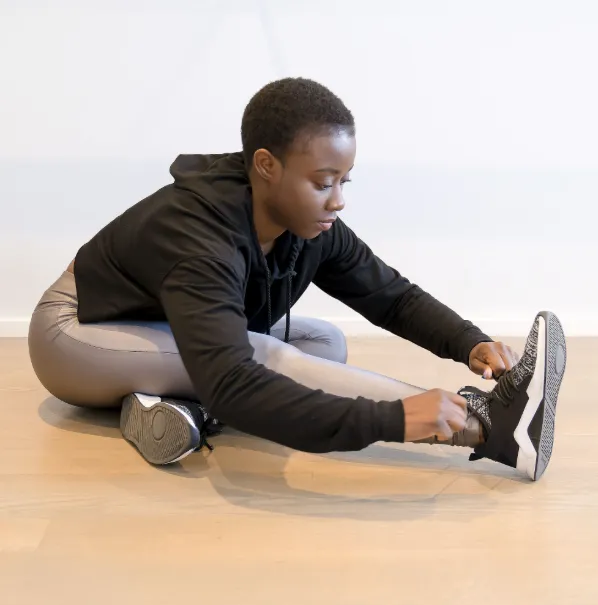
Cooling down helps your heart rate return to normal and improves flexibility. Include light cardio and static stretches in your cool-down routine. Stretching can reduce muscle soreness and speed up recovery.
Examples:
- A light walk on the treadmill
- Static stretches like hamstring or quad stretches
- Gentle yoga poses
10. Don’t Skip Leg Day
Strong legs and a solid core provide a stable foundation for all other movements, reducing strain on your upper body and back. This is especially important as you age, as lower body strength helps prevent injuries in everyday activities.
Tip: Include exercises like squats, lunges, and deadlifts, along with core exercises like planks and bird dogs.
Final Thoughts
Remember, progress takes time. Gradually increase your intensity, and don’t rush the process. Proper footwear, correct use of equipment, and paying attention to your body’s signals are all key to avoiding injury. If you do get hurt, seek professional help instead of trying to power through. A safe approach will help you stay injury-free and achieve your fitness goals.