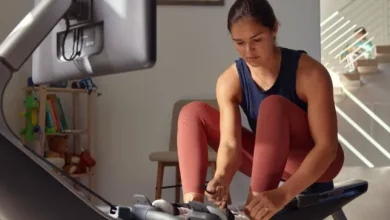
You’ve been putting in the work – lifting, sweating, and staying consistent. But how do you know all this effort is actually paying off?
If you’re committed to reaching your fitness goals, tracking your progress is essential. Whether you’re aiming for strength gains, fat loss, or better endurance, having data to back up your progress is crucial. Let’s dive into how to measure your fitness journey and make sure your hard work is translating into real results.
1. Set Specific, Measurable Goals
The first step in tracking progress is to define clear, actionable goals. Instead of vaguely stating, “I want to get fit,” break it down into specific objectives.
- Strength Goal: Bench press your bodyweight
- Endurance Goal: Run for 30 minutes without stopping
- Body Composition Goal: Lower your body fat by 5%
By using the SMART goal framework (Specific, Measurable, Achievable, Relevant, Time-bound), you create goals that are easier to track and stay motivated toward achieving.
2. Use a Workout Log or App
Recording your workouts may seem tedious, but it’s one of the most effective ways to track progress. Whether you prefer a physical journal or a fitness app, consistency is key.
Studies from the American Council on Exercise suggest that keeping a workout log boosts accountability and helps prevent plateaus. Logging your sets, reps, and weights allows you to track improvements over time and spot areas where you may need to push harder.
3. Track Body Measurements (Not Just the Scale)
The number on the scale isn’t always an accurate reflection of progress, as it doesn’t distinguish between muscle and fat. Instead, track these measurements every 4 weeks for a more comprehensive view of your progress:
- Waist, hips, chest
- Thighs, arms, shoulders
- Progress photos (front, side, and back)
These measurements, along with progress photos, give you a clearer picture of changes in body composition, even if the scale isn’t moving.
4. Monitor Strength and Endurance Improvements
Keep an eye on whether you’re lifting more weight or running longer distances. These improvements are concrete signs that your training is working.
Here are some performance benchmarks you can use every 6–8 weeks:
- 1RM (one rep max) tests
- Push-up or plank duration
- Cardio time trials (like a 2km row or 5K run)
Tracking these milestones helps you gauge improvements in both strength and endurance.
5. Pay Attention to Biofeedback
Not all progress is visible. You might notice changes in your energy levels, sleep quality, mood, or a decrease in soreness. These are subtle but powerful signs of progress.
Research shows that consistent training leads to better overall well-being, supporting the idea that subjective improvements, like how you feel day-to-day, are just as important as physical changes.
6. Work with a Personal Trainer
If you’re unsure of what to track or how to adjust your plan, working with a personal trainer can make a big difference. A trainer can:
- Help you set clear, tailored goals
- Track performance metrics and adjust them as needed
- Keep you consistent with expert accountability
With their guidance, you’ll be able to break through plateaus and continue making steady progress.
Track with Purpose, Measure with Clarity
The most successful athletes track their progress – they don’t guess. Whether you’re new to fitness or have been at it for years, tracking your results provides motivation, direction, and evidence that your hard work is paying off.