Meditation is widely recognized as one of the most effective methods for managing stress. Studies show that just 15 minutes of meditation each day can help lower blood pressure and reduce inflammation, highlighting its powerful impact on both mind and body. If you’re new to meditation and curious about how it can relieve stress, this guide will walk you through the essentials.
The Link Between Meditation and Mental Health
Meditation can have a profound effect on mental well-being. By taking time each day to meditate, you can create a mental break, stepping away from stressors and anxieties. This pause allows your mind to reset and refocus, ultimately helping you overcome mental blocks and maintain better concentration.
Additionally, deep breathing, which is often a component of meditation, can reduce inflammation and bring a sense of calm. Breathing deeply provides more oxygen to your body, which can help reduce tension and promote relaxation. Over time, meditation can also help you build emotional resilience and improve focus, making it easier to handle stressful situations.
Choosing the Right Space for Meditation
When you’re starting, it’s important to create a quiet and comfortable space for your practice. While you’ll be able to meditate anywhere with enough practice, having a designated meditation area can help you get into the right mindset. Look for a spot in your home that’s free from distractions—whether it’s a quiet corner of your bedroom, a cozy nook, or even your basement.
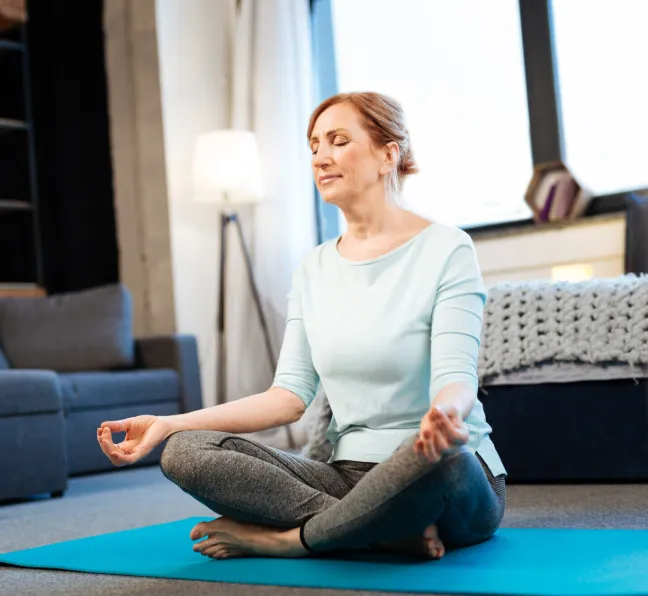
Set up a space where you can sit or lie down comfortably. A yoga mat or soft cushion can make the floor more inviting. You might also want to personalize the space with calming items like candles, plants, or inspirational quotes on the wall. If you’re meditating in a public space like a yoga studio, check the environment first to ensure it feels calming and comfortable.
Establish a Consistent Meditation Routine
The key to meditation success is consistency. Try to meditate at the same time every day, which helps signal to your brain that it’s time to relax. Whether you prefer morning or evening sessions, having a set time each day ensures you stay committed to your practice.
While meditation can be beneficial in even short bursts, aim for at least 20-30 minutes for optimal benefits. If you’re just starting out, don’t feel pressured to meditate for long periods. Even five minutes daily can make a noticeable difference. Over time, you can gradually increase the duration as you become more comfortable with the practice.
Creating a wind-down routine before meditation can also help set the stage. Activities like reading, journaling, or even having a glass of water can help you transition into a more relaxed state before you meditate.
Experiment with Different Types of Meditation
While sitting quietly with your eyes closed is the most common form of meditation, there are many other types you can explore. Guided meditation, for example, involves visualizing peaceful scenes or listening to someone guide you through a meditation practice. This can be a great option if you’re new to the practice or if you find it easier to meditate with some direction.
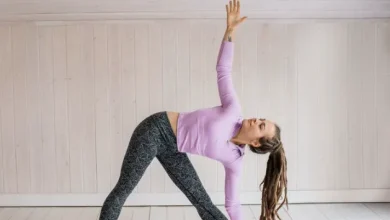
For those who want to incorporate movement, try combining meditation with gentle yoga. After a few minutes of stillness, you can get up and do some simple poses to release any tension and continue focusing on your breath. This can be especially helpful for people who find it hard to stay still for long periods.
Stay Focused During Meditation
One of the most important aspects of meditation is maintaining focus. It’s normal for your mind to wander, but the goal is not to eliminate distractions entirely. Instead, acknowledge any intrusive thoughts and gently return your focus to your breath or mantra.
As you meditate, pay attention to the sensation of your breath—how it feels as you inhale and exhale. Feel your lungs expand and contract, and notice how your body settles into the rhythm. Focusing on these sensations can help you stay grounded and present.
Use a Mantra for Deeper Focus
A mantra is a word or phrase that you repeat during meditation to help center your mind. You can choose a mantra that resonates with you, whether it’s something as simple as “peace” or “calm,” or a more personalized affirmation like “I am enough.” Some people also choose spiritual or religious mantras, depending on their beliefs.
Repeating your mantra can help quiet the mental chatter and bring you back to the present moment whenever your mind starts to wander. You can repeat it silently in your mind or say it aloud—whatever feels right for you.
Beyond Stress Relief: The Other Benefits of Meditation
While stress relief is one of the primary reasons people meditate, there are many other benefits to the practice. Meditation can help you cultivate feelings of love, compassion, and gratitude. As you meditate, try to focus on these emotions and allow them to fill your body and mind. You can even send out these positive feelings to the world, which can enhance your overall sense of well-being.
When you finish your meditation, take note of how you feel. The relaxation and clarity you experience can carry you through the rest of your day, making it easier to stay calm and confident in stressful situations.
Try Guided Meditation
If you’re new to meditation or struggling to stay focused, guided meditation can be an excellent option. Many apps and websites offer free or paid guided sessions to help you stay on track. If you prefer personalized instruction, consider booking a session with an experienced meditation teacher who can tailor the practice to your needs.
Final Thoughts on Meditation for Stress Relief
Meditation is a simple yet powerful tool for relieving stress. With just a few minutes of practice each day, you can improve focus, reduce anxiety, and promote relaxation. By creating a routine, experimenting with different types of meditation, and focusing on your breath and mantra, you can make meditation an integral part of your stress-management toolkit.
Remember, meditation is a personal practice, so don’t be afraid to explore what works best for you. Whether it’s a few minutes of stillness, a guided session, or combining it with yoga, the most important thing is to make it a consistent habit.