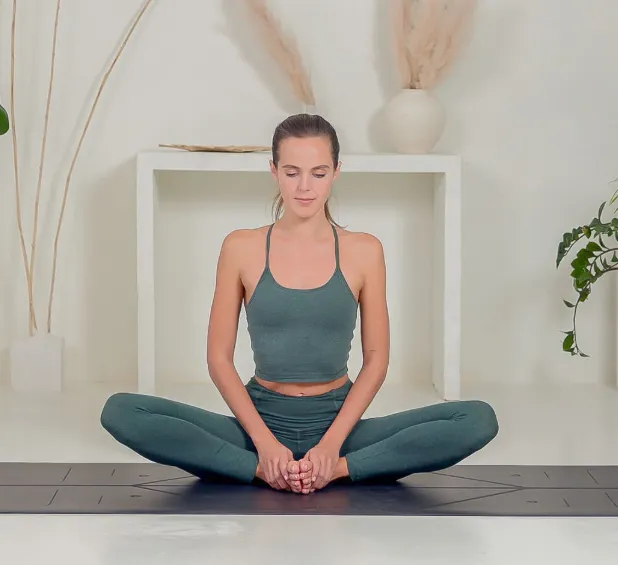
Yoga is often seen as stretching or exercise, but at its core, it’s a practice of slowing down, breathing deeply, and reconnecting with yourself. For many, it becomes a meaningful part of their path toward greater emotional balance and overall wellness.
This article explores how yoga can play a supportive role in mental health, from easing stress to building resilience and creating daily practices that nourish the mind and body.
Why Yoga Benefits Mental Health
Unlike most forms of movement, yoga combines physical postures, breathing techniques, and mindfulness. This unique blend activates the body’s relaxation response, easing tension and sending signals to the nervous system that it’s safe to rest.
Studies suggest that yoga can boost brain chemicals like GABA, which are linked to calmer moods and reduced anxiety. Regular practice also encourages presence. By focusing on the breath or the sensation of a posture, it becomes easier to step out of cycles of worry or rumination. Over time, this consistency can lead to a greater sense of stability and inner clarity.
Conditions Yoga Can Help Support
While yoga is not a substitute for therapy or medical care, it can work alongside them to ease symptoms and provide comfort.
- Anxiety: Gentle breathing and movement reduce restlessness and improve sleep.
- Depression: Mindful movement helps lift energy and restore focus.
- Trauma recovery: Trauma-sensitive yoga avoids touch and triggering cues, creating a safe space to rebuild trust in the body.
- Addiction recovery: Movement and breath help manage cravings and restore self-awareness.
- ADHD: The structure and mindfulness of yoga support focus and self-regulation.
What matters most is consistency. Even a few minutes a day can shift your mood, giving you a place to pause and reset.
Key Techniques for Mental Wellness
Yoga isn’t only about physical poses. Different techniques contribute to emotional balance:
- Breathing practices (Pranayama): Slow, deep breathing lowers the heart rate, eases tension, and interrupts spiraling thoughts.
- Mindfulness: Paying attention to the present moment without judgment builds awareness and reduces overthinking.
- Postures (Asanas): Gentle shapes release stress from muscles and encourage relaxation. Poses like child’s pose or savasana allow for complete rest.
Used together, these practices become a toolkit you can return to whenever life feels overwhelming.
Supportive Styles of Yoga
Not all yoga looks the same. Some approaches focus on energy and strength, while others are designed for rest. For mental health, softer practices are often the most supportive:
- Hatha Yoga: Steady poses paired with mindful breathing create grounding and calm.
- Yin Yoga: Long, quiet holds allow for deep release of tension and inner reflection.
- Trauma-Informed Yoga: Built on safety, choice, and empowerment, this approach avoids touch and encourages self-agency.
- Restorative Yoga: Poses are supported with props, encouraging complete relaxation and recovery.
The right style is the one that feels safe and supportive for you at any given moment.
Bringing Yoga into Daily Life
The benefits of yoga don’t require long classes. Small moments can make a big difference. A few minutes of stretching in the morning, legs-up-the-wall before bed, or mindful breathing during a work break can all become meaningful rituals.
For those experiencing anxiety or depression, these practices create rhythm and gentle structure, serving as daily reminders to slow down and care for yourself.
Building Emotional Strength
One of yoga’s most powerful gifts is emotional resilience—the ability to face challenges without becoming overwhelmed.
Holding a difficult pose teaches you to breathe through discomfort, a skill that carries into stressful life situations. Over time, yoga builds self-trust as you notice small progress, like holding a posture longer or showing up for practice on a hard day.
It also nurtures non-judgmental awareness, allowing you to observe emotions without reacting immediately. This pause creates space for more thoughtful responses in everyday life.
Integrating Yoga with Other Supports
Yoga works best as part of a wider support system. It doesn’t replace therapy, medication, or medical care but can complement them beautifully.
Breathing before therapy sessions may help you feel grounded, while gentle movement afterward can support emotional processing. For those taking medication or navigating recovery, yoga offers stability and helps regulate the nervous system.
Think of it as one piece of a holistic approach to well-being.
Creating the Right Environment
Where you practice matters. Look for classes that emphasize accessibility, compassion, or trauma awareness if mental health is your focus. At home, choose a quiet space where you feel safe and comfortable.
Whether in a studio or your living room, the goal is to create an environment that supports reflection, rest, and empowerment.
Final Thoughts
Yoga offers far more than physical flexibility—it provides space to breathe, pause, and reconnect with yourself. It’s a steady companion for those managing stress, trauma, or simply navigating the ups and downs of daily life.
You don’t need to be flexible or perfect to begin. All that matters is showing up, even for just a few minutes. Over time, the practice becomes a source of comfort, strength, and clarity on your mental health journey.