Improving athletic skills doesn’t always require a gym or sports field. With some creativity and consistent effort, young athletes can make great progress right from home. Whether the goal is to improve technical abilities, build strength, or sharpen mental focus, there are plenty of ways to stay on top of your game between practices and competitions.
Here are some effective strategies for young athletes to enhance their skills without leaving the house:
1. Designate a Practice Area
Creating a dedicated space for practice at home helps maintain a consistent routine and minimizes distractions. Whether it’s a spot in the yard, garage, or even a cleared indoor area, having a go-to practice spot can make training more focused and enjoyable. For example:
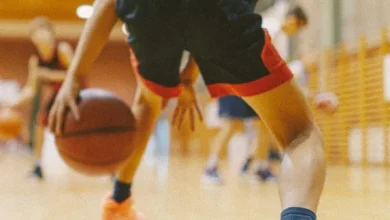
- Basketball players can practice shooting or dribbling in the driveway.
- Soccer players can work on passing or footwork in the backyard.
- Baseball players can set up a pitching or batting net.
Tip: During colder months, create a small indoor space, even on a rug, for drills like ladder work. Add motivational quotes to keep the energy up!
2. Focus on Fundamentals
Mastering the basics is crucial for any athlete. Repetition is key. Focus on core skills specific to your sport:
- Dribbling, passing, and shooting for basketball or soccer.
- Swing techniques for baseball, softball, or tennis.
- Stance and footwork for football, volleyball, or martial arts.
You can use online tutorials or ask your coach for drills to work on at home.
Tip: Set aside specific practice time each day or 4-5 days a week. Challenge a friend to practice with you virtually for extra motivation. Accountability groups can work wonders!
3. Incorporate Strength and Conditioning
Building strength, endurance, and agility is essential for any athlete. Develop a home workout routine that includes:
- Bodyweight exercises: Push-ups, squats, lunges, and planks.
- Agility drills: Set up quick footwork drills using cones or household items.
- Cardio: Jump rope, run laps around the yard, or try a HIIT workout.
Tip: Challenge yourself to complete a set amount of exercises each day for a month, and track your progress to see improvement.
4. Leverage Technology
Take advantage of the many resources available online:
- Watch tutorials to learn new skills or perfect your technique.
- Use apps that track workouts, analyze performance, or guide you through sport-specific training.
- Record yourself to spot areas of improvement.
Tip: Social media is full of workout ideas and tips that can help you refine your skills.
5. Train the Mind
Physical strength is just part of the equation—mental strength is just as crucial. Enhance your mental game with these practices:
- Visualization: Picture yourself performing skills perfectly or succeeding in game situations.
- Goal setting: Write down both short- and long-term goals to stay motivated.
- Focus: Practice mindfulness or breathing exercises to boost concentration.
Tip: Try using a free app for breathing exercises. They’re a great way to focus your mind and enhance mental clarity.
6. Get Creative with Household Items
You don’t need fancy equipment to train at home. Everyday household items can become useful training tools:
- Use a wall for passing drills (great for soccer or handball).
- Practice ball-handling skills with a rolled-up sock in smaller spaces.
- Set up an agility course using cones, chairs, or boxes.
Tip: If you need to dodge an obstacle, use a chair or any other household item to get creative with your drills.
7. Stretch and Recover
Flexibility and recovery are just as important as active training. Include stretching or yoga in your daily routine to:
- Improve mobility and reduce injury risks.
- Aid in muscle recovery after intense sessions.
Tip: Make it enjoyable by playing music, dancing, and then taking time to stretch. Hold each stretch for at least 30 seconds for maximum benefit.
8. Stay Consistent and Have Fun
Consistency is the key to improving skills at home. Make time each day for focused practice, but also enjoy the process. Challenge yourself, play mini-games with family members, or set new personal records.
Tip: Keep it fun! Try juggling your sports equipment for hand-eye coordination or learning new tricks to keep things fresh and engaging.
Conclusion
With determination and a proactive mindset, youth athletes can make substantial progress in their skills, even from home. By blending physical training, mental preparation, and a little creativity, athletes can stay sharp and ready for competition when the time comes.