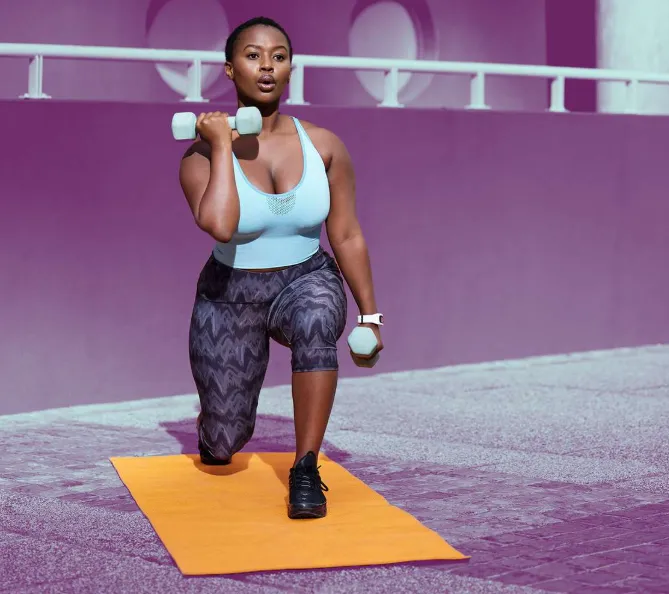
When it comes to fitness, two popular goals often come into play: improving muscular endurance and increasing strength. While both are essential for overall health and fitness, they focus on different aspects of physical performance. Whether you’re aiming for better stamina or striving to lift heavier weights, knowing the difference between the two can help you design a workout routine that works best for your specific goals.
What is Muscular Endurance?
Muscular endurance refers to the ability of your muscles to perform repetitive movements for extended periods without tiring. This type of training is crucial for improving stamina, muscle efficiency, and posture. It’s particularly beneficial for athletes, runners, and anyone looking to improve their ability to stay active for longer periods.
Benefits of Muscular Endurance Training:
- Increases stamina and energy efficiency
- Improves coordination between muscles and cardiovascular system
- Helps reduce fatigue during daily activities and sports
- Strengthens stabilizing muscles to prevent injury
Examples of Muscular Endurance Exercises:
- Bodyweight Squats – Focus on high repetitions to strengthen your lower body.
- Push-ups – Excellent for upper body endurance and core stability.
- Planks – Challenge your muscles to stay activated for extended periods.
- Cycling or Rowing – Improve both cardiovascular and muscular endurance for legs and arms.
Recommended Rep & Set Range: 12–20+ reps per set with lighter weights or bodyweight.
Best For: Runners, cyclists, and endurance athletes, or anyone aiming to improve their stamina.
What is Strength Training?
Strength training focuses on building muscle mass, improving power, and enhancing overall force output. If you’re looking to gain muscle or increase your ability to lift heavy weights, strength training is your go-to approach. This type of training plays a key role in improving bone density, muscle mass, and metabolism.
Benefits of Strength Training:
- Increases muscle size and overall strength
- Boosts metabolism and enhances calorie burning
- Strengthens joints and bones, reducing the risk of injury
- Improves athletic performance and functional movements
Examples of Strength Training Exercises:
- Deadlifts – A full-body exercise that targets multiple muscle groups for overall strength.
- Bench Press – Builds upper body strength and muscle mass.
- Squats – Great for leg power and overall athletic performance.
- Pull-ups – Target upper body muscles, especially the back and arms.
Recommended Rep & Set Range: 3–6 reps per set with heavier weights and longer rest periods.
Best For: Powerlifters, athletes, or anyone aiming to increase their raw strength.
Key Differences: Muscular Endurance vs. Strength Training
| Feature | Muscular Endurance | Strength Training |
|---|---|---|
| Focus | Stamina & muscle longevity | Maximal strength & power |
| Reps | 12-20+ per set | 3-6 per set |
| Weight | Light to moderate | Heavy |
| Rest Period | 30 seconds or less | 2-5 minutes |
| Best For | Endurance sports, high-rep training | Powerlifting, muscle building |
How to Include Both in Your Routine
A well-rounded fitness plan should incorporate both muscular endurance and strength training to maximize overall fitness. Here’s how you can balance the two:
- Alternate Focus Days
- Monday: Focus on strength training (low reps, heavy weights)
- Wednesday: Perform a muscular endurance workout (high reps, light weights)
- Friday: Repeat strength training
- Sunday: Do an endurance workout or active recovery
- Combine Both in One Session
Pair a heavy compound lift like squats with a high-rep endurance exercise like lunges for a balanced workout. This helps you work both your strength and endurance simultaneously. - Use Circuit Training
Circuit training is ideal for developing both endurance and strength. It involves performing exercises back-to-back with minimal rest, providing both resistance training and cardiovascular benefits. - Adjust Load & Reps Based on Your Goal
- Endurance-focused: Higher reps (12-20+) with lighter weights
- Strength-focused: Lower reps (3-6) with heavier weights
- Hybrid approach: Moderate weights with 8-12 reps per set
If you’re not sure where to start, working with a personal trainer can help you create a tailored program that fits your goals and current fitness level.