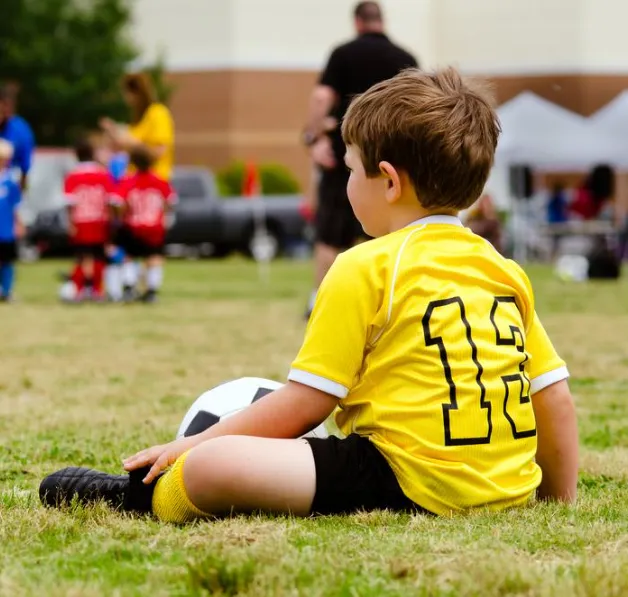
In youth sports, it’s common to see athletes comparing themselves to teammates or opponents, often assessing their own skills, speed, or strength. As a coach, it’s important to help players focus on what they can control and avoid the damaging effects of constant comparison. While it’s natural to evaluate oneself in relation to others, this mindset can often lead to frustration, self-doubt, and burnout if not handled correctly. Here’s how we can shift that perspective to promote growth and a positive experience.
The Natural Tendency to Compare
It’s human nature to compare ourselves to those around us. In sports, this tendency is heightened because performance is so often measured—through stats, playing time, and victories. Young athletes might ask themselves questions like:
- “Why is she faster than I am?”
- “How does he always score more?”
- “Why doesn’t the coach give me more playing time?”
These comparisons can lead to self-doubt and frustration, making players feel as if they’re falling behind. However, when approached the right way, comparison can be a powerful tool for self-improvement.
The Downside of Constant Comparison
While comparison can push athletes to improve, it often has negative effects, including:
- Lowered Self-Esteem: Constantly measuring oneself against others can lead to feelings of inadequacy. Rather than celebrating their own progress, players may focus on what they lack, which can lower their confidence and hinder performance.
- Increased Anxiety: When players obsess over outperforming others, they may experience pressure to be perfect. This can lead to performance anxiety, where athletes feel they’re playing out of fear, not confidence.
- Loss of Enjoyment: Sports are meant to be fun. However, when the focus shifts solely to comparison, the joy can fade. Kids who are fixated on what they haven’t achieved may lose sight of the fun and camaraderie that sports offer, often leading to burnout.
- Unhealthy Rivalries: Too much comparison can create division within a team. Players may start viewing their teammates as competitors rather than collaborators, which can harm the team’s dynamics and spirit.
Turning Comparison into Motivation
While comparison can be harmful, it doesn’t have to be. With the right mindset, it can become a powerful tool for motivation and self-improvement. Here are a few strategies to reframe comparison in a healthy way:
- Compare Yourself to Your Past Self
Instead of constantly comparing to others, young athletes should focus on their own progress. Ask questions like:
- “Am I improving from last season?”
- “Have I increased my speed or skill?”
- “What’s better about my game now compared to before?”
Focusing on personal growth instead of others’ abilities allows athletes to track their own improvement and celebrate small wins along the way.
- Use Others as Inspiration
Rather than feeling threatened by a teammate’s success, view it as an opportunity to learn. If someone is better at a certain skill, ask, “What can I learn from them?” Using others’ strengths as inspiration helps athletes see how they can improve, not as a measure of their own worth. - Understand Everyone’s Journey Is Unique
Athletes develop at different rates. Some might experience early growth spurts, while others progress more slowly. Recognizing that improvement comes at different paces helps athletes stay focused on their personal journey rather than comparing themselves to others. Hard work and consistency often outweigh early successes. - Set Personal Goals, Not External Benchmarks
Instead of focusing on being the best on the team, athletes should set personal, measurable goals:
- “I want to improve my free throw percentage.”
- “I want to increase my endurance for the game.”
- “I want to be a better communicator with my teammates.”
Setting goals based on self-improvement allows athletes to focus on progress, not competition.
- Celebrate Others’ Successes
Promote a positive team atmosphere by celebrating teammates’ accomplishments. If someone scores a winning goal or shows improvement, encourage the team to acknowledge their hard work. This reinforces the idea that one person’s success does not diminish another’s. - Acknowledge that Sports Are About More Than Talent
While natural talent plays a role, effort, discipline, and teamwork are equally important in sports. Athletes who work hard, stay focused, and maintain a positive attitude often outperform those who rely solely on raw talent. It’s important for parents and coaches to emphasize that dedication and attitude can make a world of difference in athletic success.
The Role of Coaches and Parents
Coaches and parents can play an essential role in guiding athletes through the comparison process:
- Praise Effort, Not Just Results: Recognize athletes for their work ethic, resilience, and improvement, rather than focusing only on wins or statistics.
- Set Personal Goals: Help athletes create goals centered on their own progress, not the achievements of others.
- Model Healthy Comparison: Avoid comparing players to each other. Instead, highlight how teammates can learn from one another’s strengths.
- Foster a Supportive Team Environment: Encourage players to lift each other up and work together as a unit rather than viewing each other as competitors.
Wrapping Up
Comparison is a natural part of sports, but it doesn’t have to lead to frustration. By focusing on self-improvement, using others as sources of inspiration, and setting personal goals, young athletes can develop their skills without being overwhelmed by competition. Coaches and parents have a vital role in helping players manage comparison healthily, creating an environment where growth and teamwork take precedence over rivalry. By fostering a mindset that values personal progress, young athletes can develop confidence, resilience, and a lifelong love for the game.