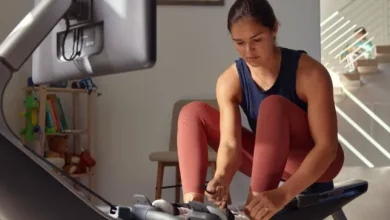
As a fitness enthusiast, you’ve probably faced the question of whether to train on your own or hire a professional trainer. While there is no one-size-fits-all answer, the decision hinges on factors like your fitness goals, experience, budget, and time. Understanding the pros and cons of both options can help you make an informed decision that will maximize your results. Let’s break down the differences between DIY training and working with a personal trainer, along with tips on when to seek professional guidance.
DIY Training: Advantages and Challenges
Advantages
- Cost-Effective: With just your gym membership, you can use all the equipment you need, without any additional costs.
- Flexibility: You have the freedom to train whenever it fits into your schedule—whether that’s at 6 AM or 11 PM.
- Self-Directed: By researching exercises and developing your own routines, you gain a deeper understanding of your workouts.
Challenges
- Information Overload: The internet offers endless advice, making it difficult to figure out what actually works. This can be especially confusing for beginners.
- Lack of Structure: Without professional guidance, your workouts may lack the necessary balance or progression, leading to stagnation or overtraining.
- Motivation: Without anyone to hold you accountable, it’s easy to skip sessions or fail to complete your workout properly.
- Injury Risk: Poor form or improper weights can lead to injuries, especially if you don’t have someone to monitor your technique.
Personal Training: Benefits and Drawbacks
Benefits
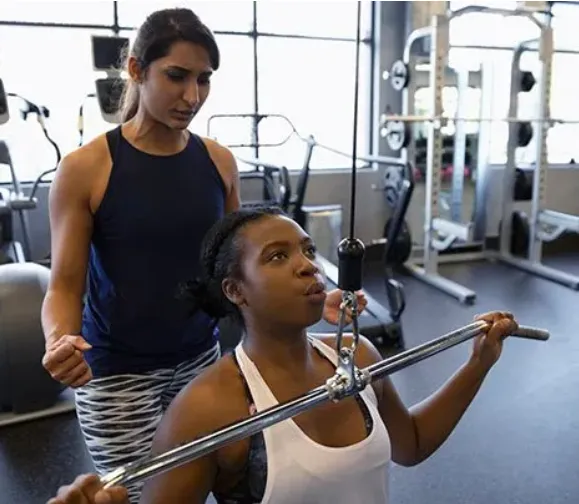
- Tailored Plans: A certified personal trainer will design a program based on your specific goals, fitness level, and injury history.
- Proper Form: Trainers provide immediate feedback on your technique, ensuring safe and efficient movements from day one.
- Accountability: Scheduled sessions make it harder to skip workouts. Plus, tracking progress keeps you motivated.
- Continued Progress: Trainers help you break through plateaus by adjusting your routine to keep improving.
- Confidence: Having a professional guide you reduces anxiety about the gym and helps you develop lasting fitness habits.
Drawbacks
- Extra Cost: Personal trainers typically charge per session, which can add up over time.
- Scheduling Conflicts: You’ll need to coordinate your schedules, which can be challenging if you have a busy lifestyle.
- Personality Fit: A mismatch in coaching style or communication can hinder your progress, so finding a trainer you gel with is key.
Signs You Might Need a Personal Trainer
Here are some indicators that you might benefit from a personal trainer:
- Plateau: If your strength, endurance, or body composition changes have stalled for several weeks, it might be time to get a trainer’s perspective.
- Recurring Injuries: If you’re dealing with nagging injuries that aren’t improving, a trainer can assess your form and correct any imbalances.
- Confusion About Goals: Trying to juggle multiple fitness goals (e.g., losing fat, building muscle, and training for a race) can leave you feeling lost. A trainer can help prioritize and structure your plan.
- Lack of Motivation: If you find yourself skipping workouts or not pushing through to the end, a trainer can provide the accountability you need.
- Uncertain Technique: If you’re unsure about your form despite watching tutorials or using mirrors, a trainer can help correct your posture and movements for better results.
Should You Choose DIY or a Trainer?
Use these prompts to help you decide:
- Knowledge
- DIY: “I understand how to build balanced workouts and load progressions.”
- Trainer: “I struggle to create well-rounded routines and feel unsure about exercise selection.”
- Budget
- DIY: “I’m on a tight budget and can’t commit to paying for sessions.”
- Trainer: “I’m ready to invest in professional guidance for quicker, more effective results.”
- Time
- DIY: “I have the time to research and plan my workouts every week.”
- Trainer: “I’d prefer to leave the planning to a professional.”
- Accountability
- DIY: “I stay on track and rarely miss a session.”
- Trainer: “I need someone to hold me accountable and ensure I complete my workouts.”
- Form and Safety
- DIY: “I’m injury-free and feel confident in my form.”
- Trainer: “I’m experiencing aches or want a professional evaluation of my movements.”
What to Look For in a Personal Trainer Near You
If you decide to hire a trainer, here’s what to consider:
- Certification: Ensure the trainer has credentials from reputable organizations like ACE, NASM, or other recognized certifications.
- Specialization: Find a trainer whose expertise matches your goals, whether it’s strength training, weight loss, injury recovery, or sports performance.
- Assessment: A good trainer should conduct a thorough movement screen and discuss your goals before starting any workouts.
- Progress Tracking: They should re-assess your progress every few weeks and adjust your program to ensure continual improvement.
- Soft Skills: Look for someone with clear communication, empathy, and punctuality to ensure a productive coaching relationship.
Conclusion
Whether you choose to train on your own or book a personal trainer depends on your goals, budget, and commitment to your fitness journey. DIY training can be effective for those who are self-motivated and knowledgeable, but if you’re looking for personalized guidance, motivation, and technique correction, a trainer may be the better option. Ultimately, both approaches can help you achieve your fitness goals, but the key is knowing when to seek professional help to ensure faster progress and avoid setbacks.