Do you remember when sports were all about having fun? Back when the highlight of the game was the halftime snack, and not the pressure to impress scouts or the need to win at all costs? There’s a movement sweeping across sports fields nationwide, focused on rediscovering what made us love playing in the first place: the pure joy of the game.
The New Definition of Winning
Imagine this: It’s a Saturday morning, and instead of the usual drill sergeant-like instructions, you hear laughter and cheers filling the air. Children are high-fiving opponents after a great play, celebrating teammates’ improvements, and yes, they’re still keeping score—but it’s not just about who wins. Instead, they’re tracking moments of joy, teamwork, and personal progress.
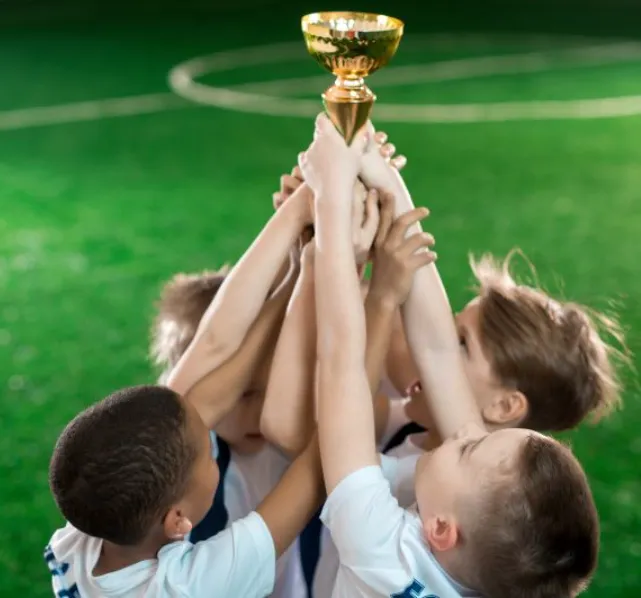
This isn’t about giving out trophies for participation. It’s a movement rooted in the understanding that when kids enjoy themselves, they play better, stick with sports longer, and grow into healthier, more well-rounded individuals.
Success Beyond the Final Score
The idea of fun-first sports doesn’t mean we should abandon competition or lower expectations. It broadens our definition of success. Sure, there’s still skill-building, strategy, and actual games with winners and losers. But real success in sports isn’t just about who’s at the top of the leaderboard; it’s about celebrating the small victories, like:
- A shy player finally calling for the ball
- A team coming together to cheer on their goalie’s first big save
- Players helping an opponent off the ground after a tough play
- A child mastering a challenging skill after weeks of practice
While these moments might not make headlines, they lay the foundation for lifelong involvement in sports and contribute to character building.
The Joy of Modified Games
One of the most exciting parts of this movement is the creative reimagining of traditional sports. Coaches are realizing that small changes can make sports more engaging for everyone:
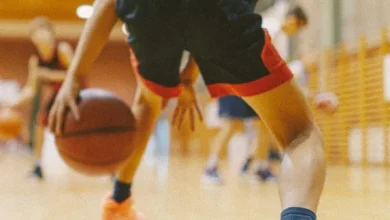
- In basketball, there’s a game called “Everyone Scores,” where the game isn’t over until each player has made at least one basket. This way, even players who aren’t as skilled are still crucial to the outcome.
- In soccer, smaller fields and bigger teams with constant substitutions ensure everyone gets to play. No more sitting on the sidelines, wondering if you’ll ever get a chance to shine.
- In baseball, “tee ball for everyone” days help young players build confidence by making contact with the ball and running the bases.
These aren’t watered-down versions of the games we know and love. They’re thoughtful adaptations that prioritize enjoyment and skill development over mere competition.
Parents: The Unsung Heroes
Let’s talk about the parents on the sidelines—those well-meaning individuals whose competitive spirits sometimes overshadow their children’s enjoyment. The fun-first approach is subtly shifting the focus and helping parents redirect their energy in more constructive ways.
Instead of shouting “Run faster!” parents are now cheering with encouraging words like, “Great hustle!” They’re less focused on critiquing technique and more on celebrating effort, saying things like, “You’re improving every game!” The post-game car ride becomes a time to reflect on the experience, not just the score. Asking, “What was your favorite moment today?” changes the entire tone.
This shift isn’t only better for the kids—it’s freeing for the parents, too. When parents stop obsessing over performance, they can enjoy watching their children play.
Building Stronger Athletes and Better People
The irony of putting fun first is that it often leads to better athletic development. When kids aren’t afraid of making mistakes, they take risks and try new things. Without the constant pressure to perform, they practice longer and enjoy the process more. And when they’re having fun with teammates, they build stronger bonds and communication skills.
These young athletes are learning that enjoyment and excellence can go hand-in-hand. They’re discovering that the best competitors often maintain joy and perspective, even in high-pressure situations. These are lessons that extend far beyond sports and into all aspects of life.
The Ripple Effect in Youth Sports
This fun-first shift is having positive ripple effects throughout youth sports communities. Volunteer coaches are more likely to stay involved when the focus is on player development and enjoyment rather than just the final score. Families are forming deeper connections with one another as the emphasis moves from competition to community. Local businesses are also more eager to sponsor teams that promote positive values.
Even league administrators and officials are getting on board, implementing rule changes that prioritize participation and skill-building, particularly in younger age groups.
The Path Ahead
The shift to fun-first sports doesn’t require an overnight overhaul. It starts with small changes in mindset and practice:
- Coaches spending equal time on basic skills and fun activities that everyone can enjoy.
- Teams creating traditions that celebrate individual growth along with team accomplishments.
- Parents modeling good sportsmanship and focusing on positive reinforcement.
- Organizations tracking not just performance metrics but also player retention and enjoyment.
The Ultimate Goal: A Lasting Victory
Ultimately, the goal isn’t to eliminate competition or lower standards. It’s about remembering why kids join sports in the first place: to learn, grow, and experience the joy of physical activity and teamwork.
When we succeed in making sports enjoyable, we set up young people for a lifetime of physical activity. They’ll understand the value of teamwork, perseverance, and the fact that the best competition happens when everyone is having a good time.
This is a victory that goes far beyond any scoreboard—and it’s one we can all celebrate together.