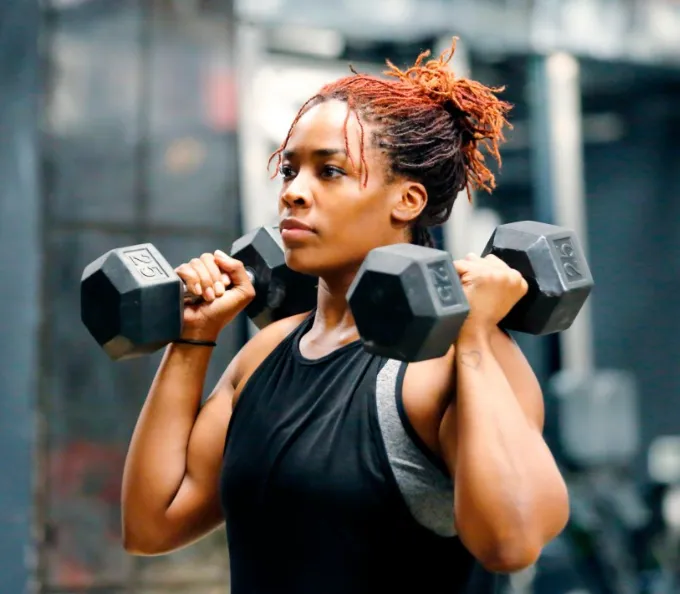
A common question in fitness circles is whether men and women should train in fundamentally different ways. The truth is, there is no special “women’s workout”—and the answer to this question is more nuanced than most people think. While both men and women train with the same essential exercises, there are a few differences in how they should approach their training.
The Core of Strength Training: Same for Both
Regardless of gender, everyone should focus on core strength exercises like squats, lunges, deadlifts, pushes, pulls, and loaded carries. Both men and women benefit from compound movements that target multiple muscle groups simultaneously. These exercises form the foundation of any effective strength program.
The key difference lies in how men and women might adjust variables like sets, reps, intensity, rest periods, and training frequency. While the types of exercises don’t change, the approach to these variables might vary based on individual physiology.
Physiological Differences: How They Affect Training
There are subtle physiological differences between men and women that influence their training. For example, men are generally larger, taller, and carry more muscle mass compared to women. Taller individuals, regardless of gender, typically have to move weights further during exercises, which means they naturally do more work with each repetition.
Since men typically have more muscle mass, they tend to experience more muscle damage during a workout, which means they may need longer recovery periods between sessions compared to women. Additionally, women tend to have more type I muscle fibers, which are more resistant to fatigue. This gives women an advantage in recovery, allowing them to handle more volume and frequency in their workouts.
Training Volume and Frequency
Thanks to better recovery times, women can generally handle more volume per workout and can train muscle groups more frequently throughout the week. This means a woman can train the same muscle group 2-3 times per week, or even more, without worrying about overtraining. On the other hand, men might require more rest time, especially after intense sessions.
In terms of intensity, women can push themselves to a higher relative intensity compared to men. For instance, women can often complete more repetitions at a higher percentage of their one-rep max (1RM) than men. This is a key point when structuring workouts, as women can still train intensely while focusing on more volume and frequency.
How Hormones Affect Training for Women
Emerging research suggests that women can benefit from adjusting their training around their menstrual cycle. In the first half of the cycle, women may experience improved strength and endurance, making it a good time for heavier lifting or more intense workouts. As they approach the second half of their cycle, training volume and intensity might be tapered to accommodate hormonal fluctuations.
This is an area of research that’s still developing, but some studies suggest that aligning your training with these phases could lead to better results.
Can Women Get as Strong as Men?
Yes, but with some caveats. While men generally start off stronger due to higher muscle mass, women can gain strength at a faster rate when beginning a training program. Research has shown that untrained women tend to experience a 27% faster rate of strength gain compared to men, especially in the early stages of their training.
In the long term, men and women may experience similar relative rates of muscle growth and strength development, though men will likely remain stronger overall due to their larger muscle mass. However, women can still achieve impressive strength and muscle gains over time, and the fear of getting “bulky” is largely unfounded. Strength gains depend on both training and nutrition, and without overeating, women will not “bulk up” in the way many fear.
Conclusion
Men and women can train the same core movements, but women may benefit from slightly different approaches, such as higher training volume and more frequent workouts. Understanding the physiological differences between the sexes can help fine-tune training programs for better results. Additionally, emerging research on menstrual cycle synchronization shows potential benefits for women in structuring workouts around their hormonal phases to optimize strength gains.