Fitness is one of those things that often feels like it’s just out of reach. We all know the feeling—whether it’s after the holiday season, the start of spring, or just before summer when we’re reminded that it’s time to get in shape. But what does “getting fit” really mean? And how do we actually make it happen?
At its core, fitness is about building a resilient body and mind, capable of handling whatever life throws your way. It’s not just about looking good—it’s about feeling good, staying strong, and maintaining energy. Today, let’s talk about the 5 PILLARS OF FITNESS, which are crucial for setting the foundation for your success, both in the gym and in life. These are the non-negotiables for becoming fit and staying that way.
Pillar #1: Mindset
Your mindset is everything when it comes to fitness. It all starts with how you view yourself and your journey. Remember the famous quote: “Whether you think you can, or think you can’t, you’re right.”
If you constantly criticize yourself, you’re setting yourself up for failure. Instead, be your own biggest cheerleader. Negative self-talk is a killer, so when those thoughts pop up, challenge them. Ask yourself, “Is this really true? Would I say this to a friend?” Then reframe that thought into something positive.
It’s also crucial to stop comparing yourself to others. Everyone has different goals and obstacles. Your journey is uniquely yours, and the only comparison that matters is to the person you were yesterday. Aim for progress, not perfection. Even small improvements every day will add up. If you’re eating out, choose the healthiest option available. It’s not about being perfect; it’s about making better choices consistently.
Fitness isn’t a 30-day fix—it’s a lifelong journey. A strong, positive mindset will carry you through.
Pillar #2: Nutrition
Once you have the right mindset, it’s time to tackle nutrition. The saying “you are what you eat” couldn’t be truer. No matter how much you work out, you cannot out-exercise a poor diet.
With so many diets out there—keto, paleo, vegan, intermittent fasting—it can get overwhelming. But here’s a simple approach: Eat whole, real foods as close to their natural state as possible. This includes lean meats, fish, eggs, nuts, fruits, vegetables, and whole grains. Your body knows what foods are good for you. It’s about eating what fuels you.
Aim to eat foods that are nutrient-dense, meaning they’re packed with vitamins and minerals but low in calories. Vegetables are a perfect example. A colorful variety ensures you’re covering all your nutritional bases.
Keep your meals regular—three meals a day—and limit snacking. Only eat when you’re truly hungry and stop when you’re satisfied, not stuffed. And, most importantly, drink plenty of water. You might need more than you think!
Cook at home whenever possible, so you can control what’s going into your meals. Cooking is a great skill that gets easier the more you practice. Focus on eating whole, balanced meals about 80% of the time. For the other 20%, enjoy your favorite foods without guilt.
Remember: This approach isn’t about being perfect—it’s about finding balance and consistency.
Pillar #3: Strength Training
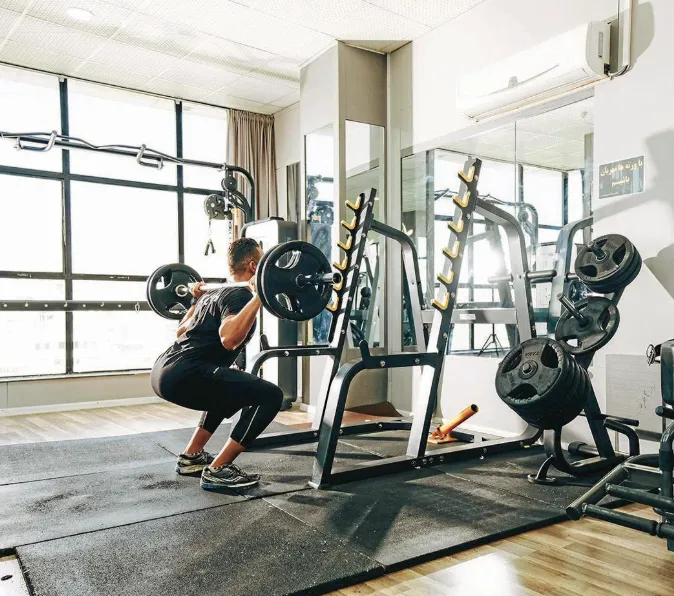
Strength training is non-negotiable when it comes to overall fitness. Sure, cardio is important for heart health, but strength training is the real game-changer for long-term health and fitness.
Why? Strength makes everything easier—from lifting groceries to climbing mountains. But strength is more than just functional; it helps you thrive and live life to the fullest. Who wants to just “get by” when they can thrive?
Strength training has numerous benefits. It boosts your metabolism by building muscle, which in turn burns more calories, even when you’re not working out. Muscle doesn’t just make you look toned—it helps you burn fat, too. Plus, it strengthens your bones and connective tissues, reducing your risk of injury and keeping you more resilient.
To get the most out of your strength training, aim for 3-4 sessions per week. Focus on compound movements like squats, deadlifts, and push-ups. Lift progressively heavier weights to challenge your body. And leave the light dumbbells behind—you’ll see much faster progress with heavier weights.
Pillar #4: Recovery
Recovery is often the most overlooked aspect of fitness, but it’s just as important as the workouts themselves. After all, you don’t get stronger while you’re at the gym; you get stronger while you’re recovering.
Strength training is a form of stress that breaks down muscle fibers, and recovery allows your body to rebuild and come back stronger. But recovery isn’t just about taking days off from the gym. It’s about managing all the stress in your life—mental, emotional, and physical.
To recover properly, focus on the following:
- Stay hydrated before, during, and after workouts.
- Eat quality food to refuel your muscles.
- Take regular rest days.
- Prioritize sleep—aim for 7-8 hours each night.
Stress management also plays a key role in recovery. Whether it’s work, relationships, or other life challenges, learning how to reduce and manage stress can help improve your fitness journey. Take walks, talk to friends, practice gratitude, and make sure to spend time doing things you enjoy. Your mental health is just as important as your physical health.
Pillar #5: Fun!
Last but definitely not least—have fun! Fitness doesn’t have to feel like a chore. The people who maintain lifelong fitness don’t just see it as something they “have to do”—they embrace it as part of their lives. If you focus only on the grind, it can become exhausting. But if you find enjoyment in the process, you’re more likely to stick with it.
Fitness should empower you to do amazing things, whether that’s running a race, hiking a mountain, or simply feeling more confident in your everyday life. When you start to view your workouts as a means of building a life you enjoy, it all becomes easier and more rewarding.
Putting It All Together
It might seem like a lot to take in, but remember—knowledge without action is just information. Start by choosing one or two pillars to focus on and gradually build from there. The goal is to improve 1% every day, which adds up over time. Stay patient and trust the process.
Fitness isn’t about perfection; it’s about making consistent, healthy choices that support your long-term goals. So, get started today and take those first steps toward becoming the best version of yourself—strong, healthy, and ready to take on whatever life throws your way.