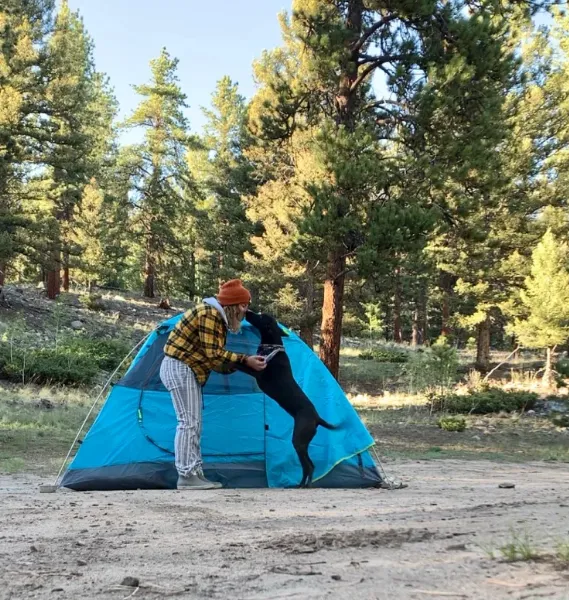
Have you ever considered venturing into the wilderness alone for a solo dispersed camping experience? If not, this guide will help you prepare for your first trip. Whether you’re new to solo camping or just looking for tips to improve your next adventure, this article offers practical advice for camping in the wilderness on your own.
Solo dispersed wilderness camping isn’t for everyone, and the terrain and wildlife in different areas require varying levels of preparedness. For example, camping in the Shawnee National Forest is a different experience than camping in areas like Mark Twain National Forest, where black bears are present. Each location presents unique challenges, so it’s important to do thorough research before setting out.
Research the Area Before Your Solo Trip
Before you head into the wilderness, make sure you’ve done your homework on the area where you plan to camp. Not all public lands allow dispersed camping, so check whether the area you’re considering permits it. Typically, national forests allow backcountry camping, but make sure you double-check the regulations for the specific region.
Research trail conditions and seasonal weather patterns. Avoid hiking during thunderstorms, extreme cold, or any conditions that might compromise safety. If it’s been a dry season, be mindful of fire risks and ensure that no fire bans are in place. Additionally, research the wildlife in the area, and be aware of any dangerous species like venomous snakes or large predators.
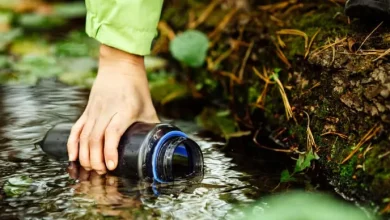
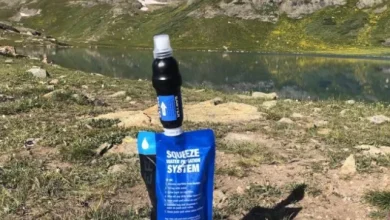
You should also take note of water sources, such as creeks or streams. Make sure they’re reliable for filtering water if needed. Always inform someone you trust about your plans and share the location details. It’s also a good idea to invest in a Personal Locator Beacon (PLB) to call for help in emergencies.
Essential Gear for Solo Dispersed Wilderness Camping
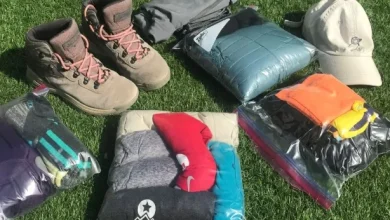
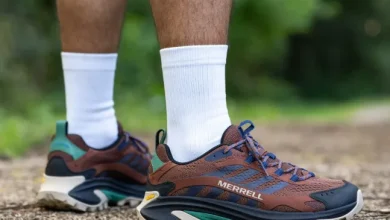
Packing the right gear is crucial for a safe and comfortable solo wilderness experience. Here’s a list of essentials:
- Shelter: Tent or hammock, depending on your preference.
- Sleeping Gear: Sleeping bag or quilt, a sleep pad, and a pillow for comfort.
- Cooking Supplies: A pocket stove, fuel canister, lighter, cooking cup, spork, and any other cooking tools you might need.
- Food: High-carb snacks and enough food to fuel you for the duration of the hike.
- Water: A water filter or purification tablets, and enough water to get you through if water sources are scarce.
- First Aid Kit: A small, basic kit with items you know how to use.
- Clothing: Extra layers for warmth and a rain poncho for unexpected weather.
- Tools: A multi-tool, knife, and a map or compass for navigation.
- Headlamp: Always pack a reliable headlamp with extra batteries.
- Wildlife Protection: Bear spray and a bear canister if you’re in bear country.
Remember to pack as lightly as possible while still bringing everything necessary. Lightweight gear is often more expensive but can make a significant difference in your comfort and energy levels on the trail.
Leave No Trace Principles
When camping in the wilderness, it’s essential to practice Leave No Trace principles to preserve the environment. Here’s how to minimize your impact:
- Stick to designated trails to avoid creating new paths that contribute to erosion.
- If you need to relieve yourself, dig a cat hole and bury your waste properly. Consider packing out used toilet paper in a sealed bag.
- Avoid disturbing natural features like rocks and debris, as they provide habitats for local wildlife.
- Only build fires when it’s safe, and make sure they’re fully extinguished when done. Don’t leave a trace of the fire ring behind.
- Pack out everything you bring, and leave the area better than you found it.
Wilderness Safety Tips
Safety is paramount when camping alone in the wilderness. Here are some tips to keep in mind:
- Use Common Sense: Always trust your judgment. If something doesn’t feel right, reassess your plan.
- Watch Your Step: The wilderness can be dangerous, but most accidents can be avoided by staying alert and watching where you step. This is particularly important when it comes to venomous snakes, steep terrain, or crossing rivers.
- Choose Your Campsite Wisely: Set up camp away from unstable rocks or dead trees (called widowmakers) that could fall. Avoid areas prone to flooding or potential wildfires.
- Check Local Safety Guidelines: Before venturing into the wilderness, review safety information on the public land manager’s website. Understanding the area’s risks and rules will help ensure you stay safe.
Final Thoughts on Solo Dispersed Wilderness Camping
Solo dispersed wilderness camping can be an incredibly rewarding experience if you’re well-prepared. It allows you to connect deeply with nature and test your survival skills in a pristine environment. However, it’s important to recognize the potential risks and plan accordingly.
Start small by choosing a nearby area with familiar terrain, and make sure you have the right gear, knowledge, and safety measures in place. Whether you’re a seasoned hiker or a first-timer, solo camping offers a unique opportunity to experience the outdoors like never before.