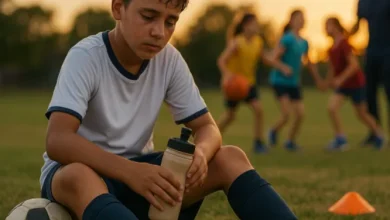
Proper hydration is essential for young athletes, but it’s not just about drinking water. Hydration goes beyond the basics, involving strategic fluid intake and hydration-rich foods that can boost performance, aid recovery, and promote overall health. Here’s how to keep young athletes well-hydrated, ensuring they stay at their best during training and games.
The Importance of Hydration: More Than Just Water
While water is the foundation of hydration, it doesn’t always provide enough for athletes, especially during intense workouts. Fortunately, there are many hydration options that can help young athletes perform at their peak.
Water is ideal for everyday practices and shorter activities. It’s calorie-free, easy to find, and exactly what the body needs to stay hydrated. If plain water feels a bit too basic, infusing it with fruits like citrus, berries, or cucumber can add flavor without the added sugars of commercial flavored waters.
Coconut water is another great option. It contains essential electrolytes like potassium and sodium, which help maintain fluid balance without artificial additives. Though it’s a bit higher in calories than water, it’s still a healthy choice, especially for athletes who struggle to drink enough plain water.
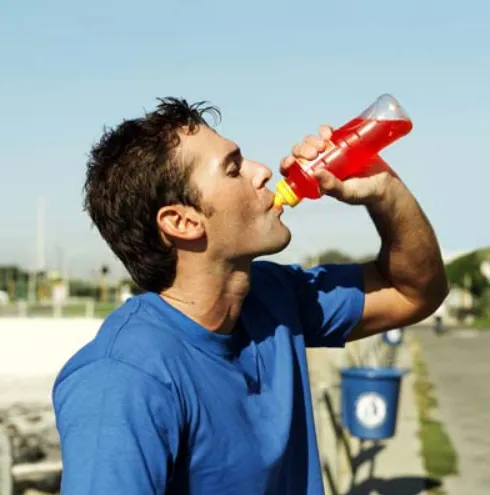
For longer training sessions, sports drinks are effective for replenishing electrolytes and maintaining energy levels. However, many of the commercial options contain high amounts of sugar and artificial ingredients. A better alternative could be a homemade sports drink—mixing water with a pinch of salt, a squeeze of lemon juice, and a small amount of honey or maple syrup.
Milk: An Overlooked Hydration Champion
You might be surprised to learn that milk can be an excellent post-exercise hydration option. Studies have shown that milk—both regular and chocolate—can be more effective than water or sports drinks when it comes to rehydration. Thanks to its mix of carbohydrates, protein, electrolytes, and water, chocolate milk, in particular, with its ideal carb-to-protein ratio of 3:1, has become a favorite recovery drink among athletes.
Hydration-Rich Foods: Nature’s Water Bottles
About 20% of our daily hydration comes from the food we eat. Fruits and vegetables, which contain up to 95% water, are fantastic sources of hydration and offer valuable vitamins, minerals, and antioxidants.
Watermelon, for example, is an excellent sports snack. It’s 92% water, packed with natural sugars for quick energy, and rich in potassium, which helps replace electrolytes lost during exercise. I’ve seen entire youth teams enjoying watermelon slices during breaks, and it’s a great way to hydrate while also eating something healthy.
Other hydrating foods include cucumbers, strawberries, and oranges, with water contents of 95%, 91%, and 87%, respectively. These fruits are like portable water bottles, providing hydration along with essential nutrients. Oranges, in particular, are a favorite during halftime because of their high water content, natural sugars, and vitamin C.
Additionally, yogurt (especially Greek yogurt), cottage cheese, and broth-based soups are great options for hydration. They provide both fluids and electrolytes, supporting muscle recovery while keeping the body hydrated. A smoothie made from yogurt, milk, and fresh fruit offers hydration, protein, and carbohydrates in one convenient package.
When to Hydrate: Timing Is Key
Proper hydration isn’t just about what you drink, but when you drink it. It’s essential to start hydrating before an activity to ensure your young athlete is well-prepared.
A pre-game or pre-practice snack about 1-2 hours before the event—such as watermelon, orange slices, or yogurt with berries—can help replenish hydration while providing easily digestible energy. During longer activities, water should remain the primary source of hydration, but adding snacks like orange slices or watermelon chunks during breaks can offer extra hydration and a quick energy boost.
Post-activity is a crucial time for hydration. Within 30 minutes of intense exercise, it’s important to rehydrate with drinks that provide fluids, carbohydrates, and protein. Chocolate milk is ideal for this, but smoothies with milk, yogurt, and hydrating fruits like strawberries also provide a similar balance.
How to Recognize Signs of Dehydration
Young athletes should be aware of their body’s hydration signals. A simple way to check hydration is by looking at urine color. Light yellow indicates proper hydration, while dark yellow suggests more fluids are needed. Other signs of dehydration include headaches, fatigue, or muscle cramps, which should be addressed immediately.
Weighing athletes before and after practice can also be a helpful hydration check. For every pound of weight lost during exercise, athletes should drink 16-24 ounces of fluid to restore hydration.
Making Hydration a Habit
The best hydration plan is one that young athletes follow regularly. To help make hydration more appealing, try using personalized water bottles or create hydration challenges with teammates. Educating athletes about the performance benefits of staying hydrated can also motivate them to drink more.
Parents and coaches play a crucial role by setting the example. Provide consistent water breaks, offer hydrating snacks, and create an environment where hydration is a priority. Good hydration habits formed during youth sports will carry over into adulthood, making hydration a lifelong skill.
By combining strategic fluid intake with hydrating foods, young athletes will stay energized, recover faster, and perform at their best. Proper hydration isn’t just essential for sports—it’s a key part of maintaining overall health and well-being.