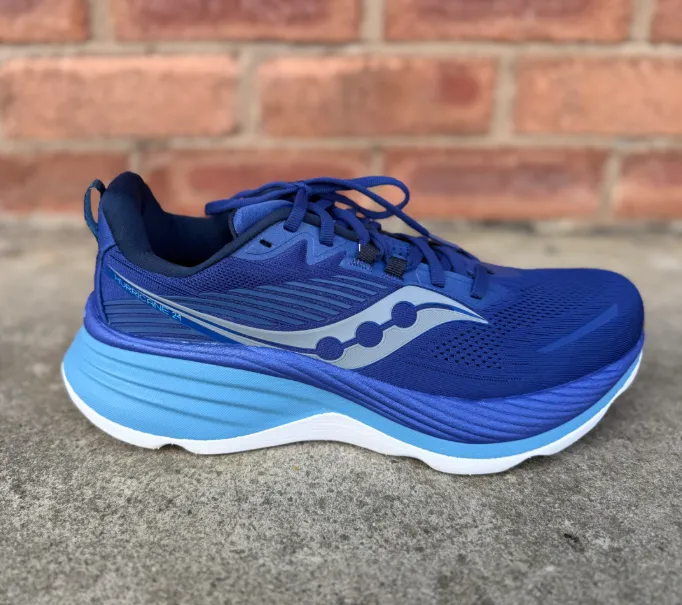
Running is one of the most accessible forms of exercise—anyone can lace up a pair of shoes and hit the road. But for those who are on the heavier side, finding the right pair of running shoes can be a little more challenging. Most running shoes are designed with a specific type of runner in mind, but the good news is, there are still plenty of options out there for you. Let’s dive into the key factors to consider when selecting the best running shoes for heavier runners.
Understanding the Basics of Running Shoes
Before we get into the details of choosing running shoes, it helps to understand the different parts of a running shoe. If you’re new to running, or even if you’re just looking for your next pair, this will give you a better idea of what you’re shopping for.
Anatomy of a Running Shoe
- Upper: This part covers the top of your foot and is usually made from breathable, flexible materials like engineered mesh or knit fabric. Its job is to provide a comfortable fit while allowing air to flow, keeping your feet cool.
- Toe Box: The front section of the shoe that holds your toes. A good toe box provides enough room for your toes to spread naturally without feeling cramped.
- Midsole: Often considered the most important part of the shoe, the midsole provides cushioning and shock absorption. It’s typically made from foam that compresses under pressure and springs back to its original shape, offering a balance between comfort and responsiveness.
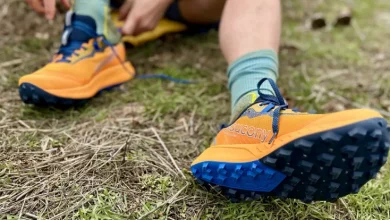
- Outsole: The bottom of the shoe, which contacts the ground. The outsole is made of durable rubber or similar materials that offer traction and stability. The tread pattern will vary based on whether the shoe is for road or trail running.
- Heel Counter: This component supports your heel and provides stability to your foot. For heavier runners or those with pronation issues, a firm heel counter is essential for maintaining control of foot motion.
The Importance of a Proper Fit
When it comes to running shoes, fit is everything. Ill-fitting shoes can lead to blisters, calluses, and even injuries. Shoes that are too tight or too loose can throw off your stride and cause discomfort. As a heavier runner, you’ll need shoes that offer not just comfort, but the right kind of support to handle your unique running mechanics.
Common Fit Issues to Watch Out For:
- Too tight: If the shoes pinch or cause discomfort in the toes, they’re too small.
- Too loose: Excessive movement in the shoe can cause blisters and reduce stability.
- Incorrect width: Some shoes may not offer enough space for broader feet, which is common among heavier runners.
Debunking Common Myths About Running Shoes
When it comes to picking running shoes, there are many misconceptions, especially for heavier runners. Let’s tackle a couple of them:
Myth 1: Softer Cushioning Is Always Better
Many believe that the softer the cushioning, the better the shoe is for absorbing shock. While cushioning is important, too much softness can actually destabilize your stride, especially for heavier runners. A soft shoe may feel comfortable initially, but it might not provide enough support, leading to an inefficient run and a higher risk of injury. Plus, softer foams wear out more quickly, which means you’ll be replacing your shoes sooner than you’d like.
Myth 2: Stability Shoes Are Always the Best Option
Stability shoes are designed to prevent excessive foot rolling (overpronation), but they can sometimes do more harm than good for heavier runners. If the stability shoe’s construction isn’t right, it could cause discomfort by pushing your weight onto the outer edges of your foot, leading to more instability. Instead, look for shoes that offer a balance of cushioning and support, without the extreme rigidity that often comes with traditional stability shoes.
What to Look for in Running Shoes for Heavier Runners
Instead of going for extremes, the best shoes for heavier runners offer a blend of cushioning and stability. Here are some key factors to consider:
- Balance Between Cushioning and Support: You need cushioning to protect your feet from impact, but you also need solid support to prevent injury. Look for shoes that offer ample cushioning without being too soft or unstable.
- Wide Fit: Heavier runners often have broader feet, so it’s important to choose shoes with a roomy toe box and wide-width options. This ensures your feet have space to expand naturally, reducing pressure points and preventing discomfort.
- Durability: Since heavier runners put more strain on their shoes, durability is key. Opt for shoes made with high-quality materials that can withstand the additional wear and tear. Look for newer foam compounds, which provide cushioning without quickly losing their shape.
- Stability Features: Instead of focusing solely on the midsole, also consider other stability-enhancing features, like a wide platform, firm heel counter, and guide rails. These features help maintain balance and prevent your foot from shifting inside the shoe.
- Comfort: Above all, comfort should be your top priority. A well-cushioned shoe that fits properly will allow you to enjoy running without distractions. Comfort leads to better performance, so don’t overlook this aspect.
- Professional Gait Analysis: Every runner has a unique gait, which means what works for one person might not work for another. For personalized advice, consider visiting a specialty running store that offers gait analysis. This will help you choose shoes that match your specific needs.
Recommended Running Shoes for Heavier Runners
If you’re looking for specific shoe recommendations, here are a few standout models that offer both comfort and support:
1. Brooks Glycerin 20
The Brooks Glycerin 20 provides the ideal mix of cushioning and support for heavier runners. Its DNA LOFT v3 cushioning offers a plush yet responsive feel, while its breathable upper ensures your feet stay cool during long runs. The shoe also features a removable insole, allowing you to customize the fit if needed.
2. ASICS Gel-Nimbus 25
The ASICS Gel-Nimbus 25 is another great option for runners who need extra cushioning without sacrificing support. The FF BLAST PLUS ECO technology and PureGEL cushioning work together to provide a soft yet stable ride. Plus, the shoe’s knit upper adapts to your foot for a secure, comfortable fit.
3. Saucony Echelon 9
If you have wider feet, the Saucony Echelon 9 is a solid choice. It offers a roomy fit and excellent stability, thanks to the Pwrrun midsole foam. The shoe is also lightweight and features a padded collar for extra comfort.
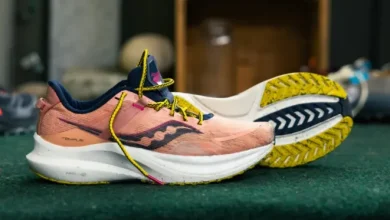
4. Saucony Triumph 21
The Saucony Triumph 21 is ideal for runners who want plenty of cushioning and support. Its roomy upper accommodates wider feet, while the cushioned midsole provides a comfortable, responsive ride. The Triumph 21 excels in shock absorption and stability, making it perfect for longer runs.
Final Thoughts
Choosing the right running shoes as a heavier runner is all about finding the right balance between cushioning and support. While softer shoes might seem appealing, they may not provide the stability you need. Likewise, stability shoes aren’t always the best choice either, as they can sometimes be too rigid. Instead, focus on shoes that offer a comfortable, cushioned ride with stability features that will support your weight and running style. With the right pair, you can enjoy running without worrying about discomfort or injury.