Picture this: You’re all geared up, laces tightened, and ready to hit the field. But wait—when’s the last time you ate? That rumbling stomach or feeling of sluggishness might be a sign that your body needs fuel to perform at its best.
Just like a car needs the right fuel to race down the track, your body requires the proper nutrition to run, jump, tackle, and score. Let’s dive into the world of pre-game nutrition that will have you feeling ready to dominate before you even step onto the field.
The Perfect Timing: When to Eat
Timing your pre-game meal is like catching the perfect wave—it’s all about balance! Ideally, you should eat your main meal about 3-4 hours before the game. This gives your body enough time to digest and convert that food into energy. If you’re running short on time and only have 1-2 hours, opt for a smaller, lighter meal that’s quick to digest. Think of it as a quick top-up rather than a full tank of gas.
What’s on Your Power Plate: Building the Ideal Pre-Game Meal
Carbs are your go-to source of fuel. Think of them as premium fuel for your muscles. Opt for foods like whole grain pasta, brown rice, oatmeal, or a whole wheat sandwich with peanut butter and banana. These carbs break down into glucose, which your muscles thrive on.
Protein is key for muscle repair. Keep it lean, though. Grilled chicken, fish, eggs, or Greek yogurt are great choices. Just be careful not to overdo it, as protein takes longer to digest.
Healthy fats are good for slow, sustained energy. But, since you need a burst of power, limit them right before the game. A small amount from sources like avocado, nuts, or olive oil is enough.
Pre-Game Meal Ideas That Athletes Swear By
Here are a few winning combinations that athletes rely on before the big game:
- Pasta Power Bowl: Whole grain pasta with marinara sauce, grilled chicken, and a side of steamed broccoli. Add a dinner roll for a meal that’ll keep you going for hours.
- Breakfast of Champions: Even if your game is in the afternoon, breakfast foods can still be a great choice. Try oatmeal with banana slices and honey, scrambled eggs, and whole grain toast.
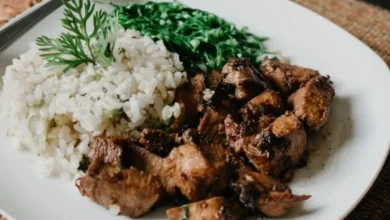
- Rice Bowl Superstar: Brown rice topped with teriyaki chicken, steamed vegetables, and a side of fruit. It’s like eating energy in a bowl.
- Sandwich MVP: Turkey and avocado on whole grain bread with pretzels and an apple. Simple, balanced, and tasty.
Hydration: The Secret Weapon
Think of water as the oil for your body’s engine. Without it, things don’t run smoothly. Start hydrating the day before your game, not just in the hour leading up to it. Aim for clear or light yellow urine to gauge your hydration. During your pre-game meal, sip water gradually rather than gulping it down in one go.
For longer games or hot weather, a sports drink can be helpful, but water is usually the best option for most youth sports.
Foods to Avoid Before Game Time
Some foods are best saved for after the game. High-fat options like burgers, pizza, or fried foods require a lot of energy to digest and won’t give you the boost you need. Also, super high-fiber foods can cause stomach discomfort when you’re on the move, and spicy dishes may lead to heartburn during activity. As for sugary snacks like candy bars, they can cause a quick blood sugar spike followed by a crash when you need steady energy.
Snack Time: Keeping Energy Up During Longer Events
If your competition lasts for several hours or if you’re playing in a tournament with multiple games, having some smart snacks on hand is a great idea. Bananas are a natural energy source—packed with sugar and potassium, they’re easy to digest. Granola bars, crackers, or dried fruit also make for great quick energy snacks between games.
Listen to Your Body
The most important piece of advice is this: every athlete is different. What works for your teammate might not work for you, and that’s totally okay! Experiment with different pre-game meals during practices or scrimmages, not on the actual game day. Pay attention to how certain foods make you feel while playing. Some athletes prefer larger meals, while others do better with smaller, more frequent snacks.
The Bottom Line
Pre-game nutrition isn’t complicated, but getting it right can make you feel like you have rocket fuel in your tank! Focus on familiar foods that give you energy, make sure you have enough time to digest, and remember that good nutrition is just one piece of your overall game prep.
Your body is capable of amazing things. By fueling it properly, you’re setting yourself up not just to compete but to enjoy the game, feel strong, and maybe even surprise yourself with what you can achieve. Get out there and show everyone what a well-fueled athlete can do!