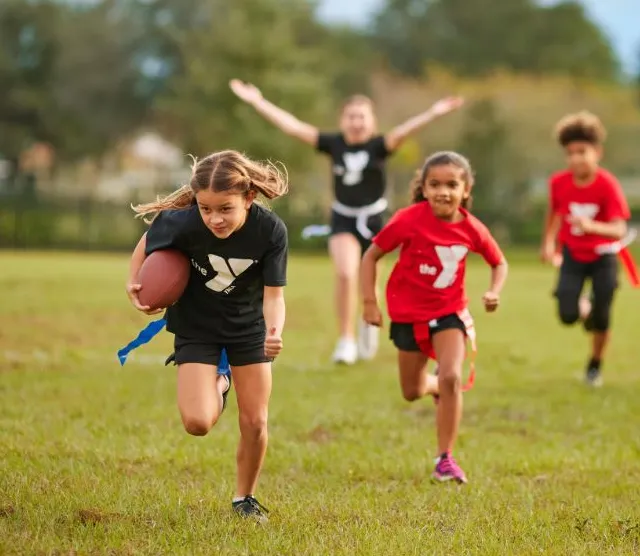
If you’ve ever driven through your neighborhood, you’ve likely seen familiar sights: kids running around soccer fields, parents cheering from the bleachers, and coaches high-fiving athletes after a game. These local youth sports programs are far more than just weekend entertainment—they play a crucial role in fostering child development and strengthening communities.
More Than Just Sports
Community-based youth sports programs create something that expensive private clubs and elite academies often struggle to replicate: genuine connections. Whether it’s a local business sponsoring a Little League team or parents volunteering to coach, these programs help weave the social fabric that strengthens neighborhoods. Unlike costly travel teams, community programs prioritize accessibility, ensuring that every child—regardless of financial background or athletic skill—can participate and grow.
The Ideal Environment for Growth
Research shows that children thrive in sports environments where fun, skill development, and positive relationships are prioritized over the pressure to win. Community programs naturally create this atmosphere, as many are led by volunteer coaches who know the children personally and understand the importance of building skills and character.
These programs often offer:
- Age-appropriate competition, where younger players can focus on learning and enjoying the sport rather than stressing over championships.
- Mixed skill levels on the same team, teaching children the value of supporting teammates at all levels.
- Local rivalries that spark excitement without adding stress to the experience.
- Shorter travel distances, reducing time and financial commitments compared to travel teams.
Academic and Social Benefits
Youth sports are not only beneficial for physical health but also for academic success. Coaches in community programs often work closely with local schools, which allows them to stay updated on a player’s academic progress. Many community programs require grade checks and even offer tutoring, providing a holistic approach to child development.
On the social side, children in community programs build friendships with peers from their own neighborhoods. These relationships often extend beyond the sports field, creating a more interconnected community.
Economic Impact and Longevity
Local youth sports programs also generate positive economic effects within the community. Families often spend money at local restaurants, hardware stores, and photo studios, keeping funds within the neighborhood. The volunteer-driven nature of these programs also contributes to their sustainability, ensuring they can endure challenges and leadership changes that might overwhelm commercial sports programs.
Addressing Today’s Challenges
In today’s world, children face many challenges, such as increased screen time, reduced unstructured play, and social isolation. Local sports programs address these issues by offering structured physical activity, which is often missing from daily life. Team sports, in particular, foster face-to-face communication and cooperation—skills that are essential but can’t be cultivated through digital devices. These programs also offer a sense of stability, which is critical for emotional development.
Supporting Working Families
Many community programs provide additional support to working families by offering before and after-school care combined with sports activities. This makes it easier for parents to manage their schedules while knowing their children are engaged in positive activities. The local nature of these programs also reduces transportation difficulties, as practices and games are typically held within the neighborhood. Older siblings can walk to practices, and parents can coordinate carpools more easily.
Creating Lifelong Bonds
One of the most valuable aspects of community youth sports is the lasting connections they create. Adults who grew up playing in local leagues often return as coaches, board members, or supporters, continuing the cycle by sending their own children through the same programs. These generational connections strengthen community bonds.
Sports also serve as a common language that brings together families from different backgrounds. When families of all walks of life come together to support their children’s teams, relationships naturally form that might not occur in other settings.
The Power of Volunteering
The volunteer aspect of these programs provides unique mentorship opportunities. Coaches are often neighbors who are genuinely invested in helping children succeed, and their diverse life experiences enrich the sports environment. These volunteer coaches teach kids valuable lessons in community support and civic responsibility, often inspiring the next generation of volunteers.
Looking Ahead
As youth sports become increasingly specialized and commercialized, community-based programs offer a necessary balance. They remind us that sports can be about more than just competition—they can be a powerful tool for community building, character development, and fun.
Communities that invest in these programs—whether through volunteering, local funding, or facility maintenance—create assets that benefit families for generations. They provide places for people to come together, build relationships, and support one another, helping communities thrive.
Making It Happen
You don’t need to be an expert or have a large budget to support local youth sports. Here are some ways to get involved:
- Volunteer to coach or assist in organizing activities (training is often available)
- Help with administrative tasks like registration or equipment management
- Support fundraising efforts or sponsorships for teams
- Advocate for quality public recreational facilities
- Encourage policies that ensure all children can participate, regardless of their background
Investing in community youth sports offers returns that go far beyond the playing field. These programs create stronger communities, healthier children, and more connected families. At a time when many forces divide us, youth sports remain one of the best ways to bring people together, build connections, and create lasting memories.
By supporting local sports programs, we’re not only helping children develop their athletic skills—we’re helping them become active members of something greater than themselves, learning the value of teamwork, community, and contributing to the places they call home.