The Importance of Outdoor Play for Kids: Boosting Health, Skills, and Well-being

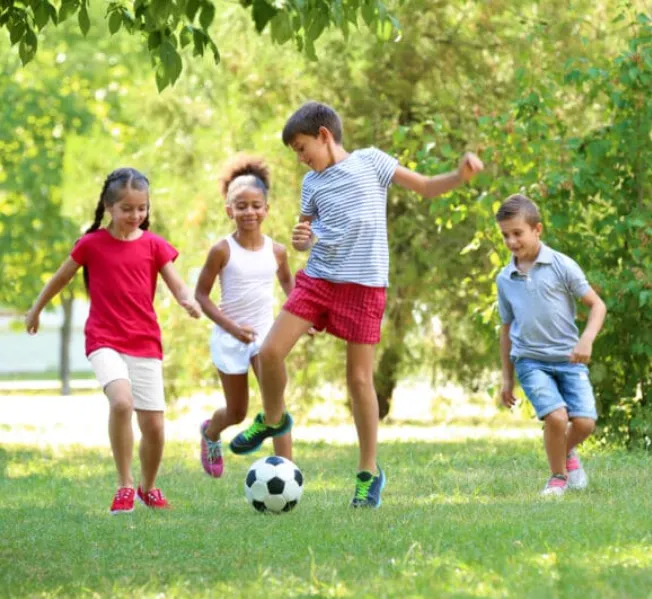
In today’s digital age, children are spending more time indoors than ever before. With screens taking over much of their free time, they are missing out on the countless benefits of outdoor play. From physical health to mental well-being and social development, the outdoors offers something invaluable for young minds and bodies.
Outdoor activities like climbing, running, and exploring nature are not just fun; they are essential for a child’s growth. Here’s why playing outside is so important for kids, and how we can encourage them to embrace the outdoors.
Physical Health Benefits
The immediate benefit of outdoor play is improved physical health. Activities like running, climbing, or even biking help children develop strong muscles and bones. Outdoor play promotes cardiovascular health, reducing the risks of obesity, diabetes, and other related health problems.
Additionally, sunlight is crucial for children. Exposure to sunlight provides vitamin D, which is essential for bone development, immune system strength, and regulating mood. Being outside also enhances motor skills, balance, and coordination as kids engage in various physical activities, from swinging to running on uneven terrain.
Mental and Emotional Well-being
The impact of outdoor play extends beyond physical benefits. Spending time in nature has been shown to reduce stress, anxiety, and depression in children. The open space and fresh air foster relaxation, helping kids feel calmer and more at ease.
Outdoor play also sparks creativity. Unlike structured indoor activities, the outdoors offers endless opportunities for imagination—whether that’s creating a fort or pretending to be on an adventure. This type of unstructured play develops problem-solving skills and encourages independent thinking.
Furthermore, time outdoors helps improve focus and attention. Research has shown that kids who engage in outdoor activities often display better concentration and perform better academically. This is especially true for children with attention difficulties, as the outdoors provides a natural outlet for energy and helps reset their minds.
Social Skills and Emotional Intelligence
Outdoor play is a wonderful way for children to build social skills. When kids play together outside, they practice communication, teamwork, and conflict resolution. Whether it’s sharing turns on the swing or working together to complete a game, these interactions teach valuable lessons about cooperation and relationships.
Moreover, when kids encounter challenges, like figuring out the rules of a new game or overcoming physical obstacles, they learn resilience and perseverance. These are critical life skills that help children manage setbacks and keep pushing forward in the face of adversity.
Connection to Nature and Environmental Awareness
Spending time outdoors fosters a deep connection to nature. As kids explore different environments, they develop a sense of curiosity and appreciation for the world around them. Learning about plants, animals, and ecosystems encourages environmental responsibility, which is crucial for building a sustainable future.
Being outdoors also nurtures a sense of wonder. Whether they are observing insects or admiring the natural world, outdoor play offers endless opportunities for discovery and learning, promoting a lifelong interest in nature.
Encouraging Lifelong Physical Activity
Introducing children to the joys of outdoor play at a young age can lead to a lifelong love of physical activity. Sports, hiking, biking, and swimming can become hobbies that children enjoy well into adulthood. Active kids are more likely to maintain healthy habits as they grow, reducing the risks associated with sedentary lifestyles, such as obesity and heart disease.
How Parents and Educators Can Promote Outdoor Play
With so many benefits tied to outdoor play, it’s important for both parents and educators to prioritize time outdoors for children. Here are some strategies to encourage kids to spend more time outside:
- Set a Daily Outdoor Routine: Try to make outdoor play part of the daily schedule, even if it’s just for 30 minutes.
- Create Safe and Engaging Spaces: Ensure children have access to safe outdoor areas, like parks, backyards, or playgrounds.
- Limit Screen Time: Reducing time spent on screens encourages children to explore other forms of entertainment, like outdoor play.
- Participate in Activities Together: Set an example by joining kids in outdoor games, nature walks, or hikes. Make it a fun family activity.
- Encourage Unstructured Play: Let children create their own outdoor adventures rather than planning every moment. This encourages creativity and independence.
Conclusion
Outdoor play is vital for children’s overall development. It nurtures physical health, emotional well-being, social skills, and a connection to nature. In an age dominated by indoor activities and screens, it’s more important than ever to make time for outdoor play. By making it a priority, parents and educators can help children grow into well-rounded, healthy, and happy individuals.