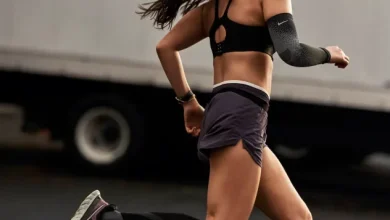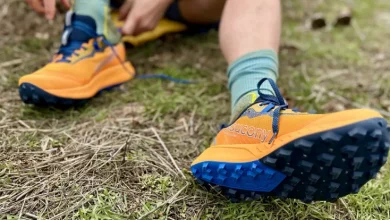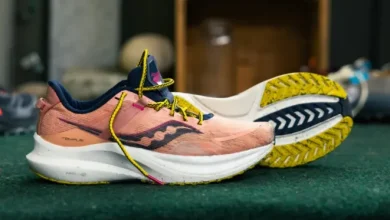
When it comes to running, comfort is king. Unlike other areas of fashion, runners are fortunate in that they don’t have to choose shoes based on aesthetics alone—no one needs to sacrifice comfort for style. Yet, despite this, many runners end up in shoes that just don’t fit. Whether it’s chasing an attractive deal, following outdated trends, or simply hoping shoes will “break in” over time, many of us have learned the hard way that the wrong pair of shoes can cause more harm than good. In this article, we’ll explore why getting the right size for your running shoes should always be your top priority.
Why Shoe Size Matters
When you’re out on a run, nothing is worse than the discomfort of poorly fitting shoes. From blisters and blackened toenails to general foot pain, these issues are far too common for many runners—and they usually come down to one factor: fit.
Shoes that are too tight can rub and cause blisters, while shoes that are too loose can lead to slippage, making it harder to maintain balance. Likewise, shoes with a cramped toe box or poor heel fit can lead to long-term foot issues. These problems aren’t just painful—they also impact your performance and could even sideline you with injuries.
The good news? Most of these issues are preventable when you select running shoes that fit your feet properly. But how do you know if you’re picking the right pair?
The Anatomy of a Running Shoe
Running shoes might seem simple at first glance, but they’re composed of several key components that each contribute to the overall fit and performance. Understanding these elements can help you choose shoes that offer a more customized feel.
- Upper: The top portion of the shoe that wraps around your foot. It’s made from breathable material to keep your feet cool. The fit should be snug, providing support without feeling restrictive.
- Toe Box: The front part of the shoe where your toes sit. There should be enough space for your toes to move but not so much that your foot slides forward during a run.
- Heel Counter: This part secures your heel in place, preventing it from moving side-to-side. A well-fitted heel counter keeps your foot stable and reduces the risk of blisters or foot fatigue.
- Midsole: The cushion layer that absorbs shock and helps reduce impact on your joints. Different midsole materials offer various levels of cushioning and support.
- Outsole: The bottom of the shoe, in contact with the ground. It’s designed for durability and traction, preventing slips on various surfaces.
- Insole: A removable cushion that can be swapped out for custom insoles for personalized comfort.
- Lacing System: Allows you to adjust the tightness of the shoe to your liking. A good lacing system ensures a secure fit.
Pay attention to these parts when trying on shoes to ensure that each element fits your foot comfortably and properly.
Factors to Consider When Choosing the Right Size
Selecting the right shoe isn’t just about knowing your typical shoe size—it’s about considering a variety of factors that affect how the shoe will fit in real-life running conditions.
- Foot Shape: Feet come in all shapes and sizes. Whether your feet are narrow, wide, or somewhere in between, understanding your foot shape will help you find the right shoe width and support.
- Socks: The type of socks you plan to wear can influence how your shoes fit. Thicker socks might require a slightly larger shoe size, while thinner socks might make a snugger fit feel better.
- Running Surface: The type of terrain you run on can also influence the fit of your shoes. Trail runners may need extra space to accommodate foot swelling, while road runners might prefer a more precise fit for control and stability.
How to Try on Running Shoes
Simply slipping on a shoe and walking around isn’t enough when it comes to finding the right fit. Here’s how to try on running shoes the right way:
- Wear the Right Socks: Always try on shoes with the type of socks you plan to run in. This gives you the most accurate sense of fit.
- Try Shoes Later in the Day: Your feet naturally swell as the day goes on, so it’s best to try on shoes in the afternoon or evening to ensure they’ll fit comfortably after hours of running.
- Proper Lacing: Lace up the shoes as you would during a run. This ensures the shoe fits securely and provides adequate support.
- Take a Test Run: If possible, walk or jog in the shoes. Standing still doesn’t replicate the movement of running, so it’s important to test the shoes under active conditions.
- Listen to Your Feet: Ultimately, trust your feet. If the shoes feel uncomfortable at the store, they’re unlikely to get better with time.
Myths About Running Shoe Sizing
There are plenty of myths surrounding running shoe sizing, and following them can lead you astray. Here are a few common misconceptions:
- Shoe Sizes Are Universal: There’s no such thing as a universal shoe size. Different brands and models can vary in sizing, so always check the manufacturer’s sizing chart.
- Shoes Will Stretch Over Time: While some materials may stretch slightly, don’t rely on shoes to stretch significantly. If they’re uncomfortable at the start, they probably won’t get better with use.
- Size Up for Comfort: Just because you’re between sizes doesn’t mean you should automatically size up. The right fit depends on the shoe brand and your specific foot shape, so always try them on first.
- Wider Feet Need a Larger Size: If you have wide feet, this doesn’t necessarily mean you need a longer shoe. Look for shoes designed specifically for wider feet to ensure comfort without added length.
Conclusion
In the world of running, your shoes can make or break your experience. While it may seem tempting to choose a pair based on trends or a good deal, it’s crucial to prioritize comfort and fit. The right shoes can enhance your performance, reduce your risk of injury, and ensure that your runs are enjoyable and pain-free. The next time you’re shopping for running shoes, remember that the perfect pair is the one that fits you—and only you—perfectly.