The Importance of Sleep for Fitness: Why Rest is Essential for Recovery and Performance

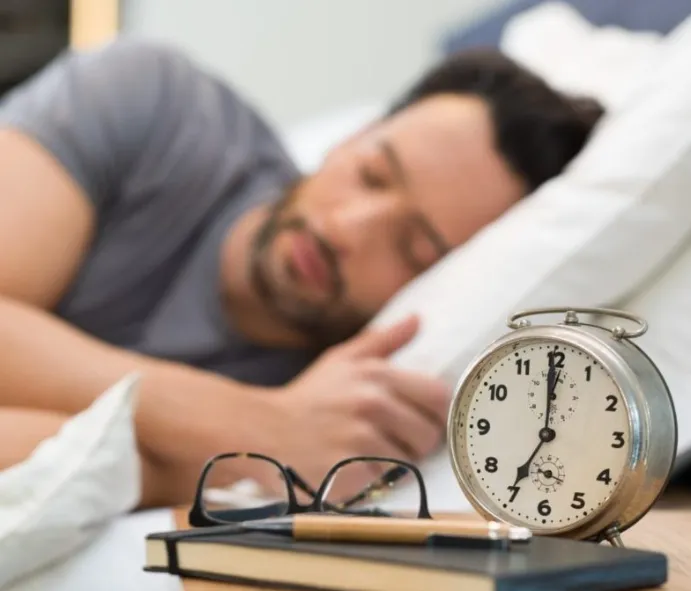
When it comes to fitness, most people focus on exercise and diet, but one key factor often gets overlooked—sleep. Getting enough quality sleep is just as important as your workout and nutrition when it comes to seeing results. In fact, research shows that sleep is critical for muscle recovery, workout performance, and even weight management. If you’re struggling with fatigue, slow muscle recovery, or lackluster performance, your sleep habits may be the missing piece of the puzzle.
Here’s why sleep matters for your fitness and how improving your rest can enhance your results.
1. Sleep Promotes Muscle Recovery
While you sleep, your body doesn’t just rest—it repairs. During deep sleep, growth hormones are released, which are essential for muscle repair and recovery. This is when the microscopic muscle tears from your workouts heal, making your muscles stronger and more resilient.
If you’re skimping on sleep, your body won’t have enough time to fully recover, which can leave you feeling sore and fatigued. Research shows that getting 7–9 hours of sleep each night can significantly improve muscle recovery and overall athletic performance.
Pro Tip: If you’re struggling with soreness, combine proper sleep with hydration and post-workout stretching for optimal recovery.
2. Sleep Enhances Workout Performance
We’ve all experienced how a bad night’s sleep can leave us feeling sluggish and unmotivated. Sleep directly impacts your stamina, strength, reaction time, and coordination—critical elements for a successful workout.
Studies have shown that athletes who get adequate sleep perform better in endurance, strength, and high-intensity training. Sleep also helps improve focus, keeping you mentally engaged during your workouts. If you’re serious about your fitness goals, prioritizing sleep is non-negotiable.
Pro Tip: Sleep-deprived athletes can experience up to 20% slower reaction times than those who are well-rested!
3. Sleep Reduces Injury Risk
Lack of sleep not only causes fatigue but also impairs motor skills and coordination, increasing your risk of injury during physical activities. Whether you’re lifting weights or running, a tired body is more prone to missteps.
Sleep plays an essential role in tissue repair and reducing inflammation. If you’re struggling with persistent aches or slow-healing injuries, improving your sleep could significantly speed up your recovery.
4. Sleep Regulates Appetite and Controls Hunger Hormones
Did you know that sleep helps control hunger hormones? Ghrelin and leptin regulate your hunger and fullness signals, and when you’re sleep-deprived, ghrelin levels rise, causing increased hunger, while leptin levels fall, making you feel less satisfied after eating. This imbalance can lead to overeating and poor food choices, hindering your fitness progress.
Chronic sleep deprivation has been linked to higher body fat percentages and difficulty losing weight. By getting 7–9 hours of sleep, you can keep cravings in check and make healthier food choices that support your fitness goals.
Pro Tip: To control cravings, aim for a full night’s sleep and fuel your body with nutrient-rich foods.
5. Sleep Lowers Stress and Improves Mental Focus
Stress and poor sleep often go hand in hand. Lack of sleep increases cortisol (the stress hormone), which can lead to muscle breakdown, fat storage, and reduced motivation to exercise.
On the flip side, quality sleep lowers cortisol levels, improves focus, and boosts mental clarity. With a well-rested mind, you’re more likely to make healthier choices and stay consistent with your workouts.
Pro Tip: If you’re feeling mentally drained, try creating a relaxing bedtime routine with activities like meditation, light stretching, or reading to improve your sleep quality.
Quick Tips for Better Sleep
- Stick to a sleep schedule: Go to bed and wake up at the same time every day, even on weekends.
- Limit screen time before bed: The blue light from screens can disrupt melatonin production, making it harder to fall asleep.
- Create a sleep-friendly environment: Keep your room cool, dark, and quiet. Invest in blackout curtains and a comfortable mattress.
- Avoid caffeine and heavy meals before bed: These can interfere with deep sleep.
- Get regular exercise: Regular physical activity can improve sleep quality, but avoid intense workouts right before bed.
Better sleep leads to better fitness. If you’re working hard in the gym but not seeing the results you want, your sleep habits could be the missing link. Prioritize 7–9 hours of quality sleep every night, and you’ll notice improvements in your recovery, performance, and overall fitness.