The Power of Practicing with Purpose: Unlocking Your Full Athletic Potential

When we think about success in sports, we often focus on the trophies, game results, and highlight moments. But the real difference between good athletes and great athletes isn’t just talent—it’s how they approach practice. Practicing with purpose is often overlooked in youth sports, yet it’s the key to consistent improvement and long-term success.
What Does It Mean to Practice with Purpose?
Practicing with purpose isn’t just going through the motions. It’s about approaching every session with intention, clear goals, and full mental engagement. It’s not enough to just show up physically—athletes who practice with purpose bring their focus and attention to each drill, understanding the specific skill being worked on and how it connects to their game performance.
When young athletes practice with purpose, they are actively engaged. They ask questions, seek feedback, and make adjustments in real-time. This type of deliberate practice turns routine drills into meaningful growth, and over time, those small improvements add up.
Avoiding “Garbage Reps”
As Arnold Schwarzenegger famously said, “The last three or four reps are what make the muscle grow.” This principle, although referring to bodybuilding, is just as relevant to youth sports. If athletes rush through drills or perform techniques sloppily, they’re not developing skills—they’re building bad habits.
Each repetition is an opportunity for improvement. Focused and deliberate practice strengthens neural pathways, building expertise. On the other hand, careless repetitions only reinforce mistakes that can be difficult to correct. For example, a basketball player who shoots 100 free throws with poor form won’t improve as quickly as someone who shoots 25 with perfect form, making corrections as they go. Quality always beats quantity when it comes to practice.
Master the Basics
In youth sports, excellence isn’t about occasional highlight performances—it’s about paying attention to the details. The best athletes understand that mastering the basics is what lays the foundation for more advanced skills.
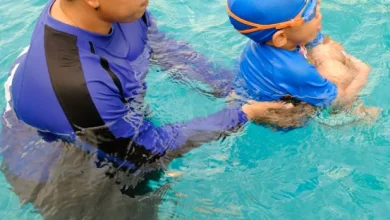
Practicing with purpose means focusing on the small, often overlooked aspects of the sport—the fundamentals that make up the core of any successful player. For instance, a baseball player might spend extra time perfecting their grip before moving on to more complicated pitches. A soccer player may focus on receiving the ball correctly before attempting advanced footwork. A swimmer might concentrate on perfecting the catch phase of their stroke before worrying about race strategy.
When athletes commit to mastering the basics, it boosts their confidence and helps them perform better when the pressure is on. These fundamentals become automatic, freeing up mental space for more strategic decision-making in high-pressure moments.
The Mental Side of Practice
The quality of practice starts before the first drill even begins. Top athletes prepare themselves mentally by establishing pre-practice routines that set the stage for focused and productive training.
“Starting your engine” means:
- Arriving early to transition mentally from other activities
- Setting clear goals for the day’s session
- Visualizing success and the skills to be practiced
- Warming up properly to get both the body and mind ready
When young athletes take the time to mentally prepare for practice, they’re more present and engaged from the very start. They avoid wasting time getting into the right mindset, making the most of every moment on the field or court.
Supporting Purpose-Driven Practice
Parents and coaches play a big role in helping athletes practice with purpose. Here’s how they can contribute:
- Encourage goal-setting before each practice, even if it’s just focusing on one area for improvement
- After practice, ask athletes about what they learned, not just how the session went
- Emphasize effort and focus, not just the outcome
- Create an environment where feedback is encouraged and questions are welcomed
- Model purposeful preparation in their own lives
Shifting to purposeful practice won’t happen overnight. It requires consistency, patience, and support from both the athlete and those around them. Over time, young athletes will internalize this mindset, improving not only their performance but also their enjoyment of the sport.
Beyond Sports: The Benefits of Purposeful Practice
The benefits of practicing with purpose extend far beyond sports. The mindset developed through intentional practice—focus, perseverance, and discipline—transfers to academics, future careers, and life challenges. By learning to approach practice with purpose, young athletes develop valuable life skills that will serve them in many aspects of life.
In the end, practicing with purpose is the key to becoming not just a better athlete but a better person. With dedication and focus, athletes can build a strong foundation for success both on and off the field.