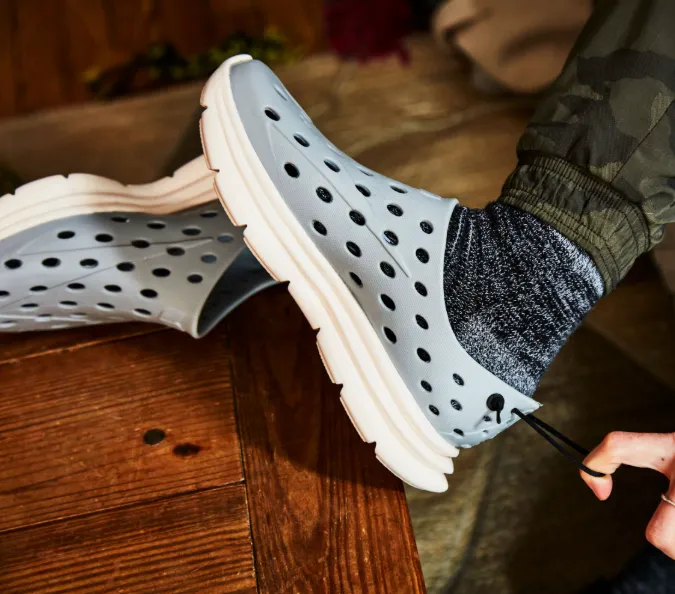
When it comes to fitness, most people think the real work happens only during training. But the truth is, recovery is just as important as the workout itself. Muscles, joints, and ligaments need time to repair and recharge, and what you wear on your feet after exercise can make a significant difference. That’s where recovery shoes come in—specialized footwear designed to ease fatigue, reduce soreness, and prepare your body for the next session.
What Exactly Are Recovery Shoes?
At first glance, recovery shoes might look like ordinary sneakers or slip-ons, but their construction tells a different story. They feature enhanced cushioning, targeted arch support, and shock-absorbing soles to minimize the stress your feet endure during high-impact activities. Many models also have a slightly curved sole that helps guide your stride more naturally, taking strain off tired muscles and joints.
These design elements work together to relieve pressure, promote better alignment, and encourage circulation. The result is less stiffness, fewer aches, and faster recovery—something every athlete, runner, or active individual can appreciate.
Why Athletes Swear by Them
The main reason people turn to recovery shoes is simple: they help the body bounce back faster. Whether you’re logging long miles on the road, lifting weights in the gym, or just spending hours on your feet at work, this type of footwear provides a welcome break for overworked muscles.
By wearing recovery shoes after training, athletes can reduce swelling, minimize soreness, and ease tightness in the legs and feet. They are especially helpful for endurance athletes who often push their limits and need every edge to speed up recovery. Still, these benefits aren’t reserved for professionals—anyone who deals with fatigue from standing or walking long hours can experience relief.
That said, recovery shoes are not designed for all-day wear. Their soft, supportive structure makes them ideal for short recovery periods but not for constant use, as they don’t offer the long-term durability of standard running or walking shoes.
How to Select the Right Pair
Finding the best recovery shoes comes down to a few key considerations:
- Arch Support: Proper support helps reduce strain and keeps your feet aligned. Look for models that balance comfort with stability across all areas of the foot.
- Toe Box Space: After workouts, feet often swell. A roomy toe box allows your toes to relax and spread out, easing discomfort.
- Type of Recovery: Shoes designed for active recovery (like light walking or stretching) often have more cushioning and structure, while those for passive recovery focus on comfort and relaxation.
- Fit and Comfort: Above all, the shoes should feel natural on your feet without causing rubbing or pressure points.
Keeping these factors in mind will make it easier to choose footwear that complements your recovery routine.
Caring for Recovery Shoes
Since these shoes are meant for specific use, proper care ensures they last longer and retain their benefits. Limit them to post-exercise wear rather than everyday use, and if possible, rotate between two pairs to give each one time to recover. Always store them in a cool, dry spot away from direct sunlight, and clean them periodically to keep the materials in good condition.
Final Thoughts
Recovery shoes aren’t just another fitness trend—they’re a practical tool for anyone serious about performance, comfort, and long-term foot health. By giving your body the support it needs after exercise, they help shorten downtime and make the recovery phase more effective. Just remember: their purpose is short-term use, not to replace your regular footwear. Treat them well, and they’ll return the favor by keeping your feet fresh, supported, and ready for what’s next.